
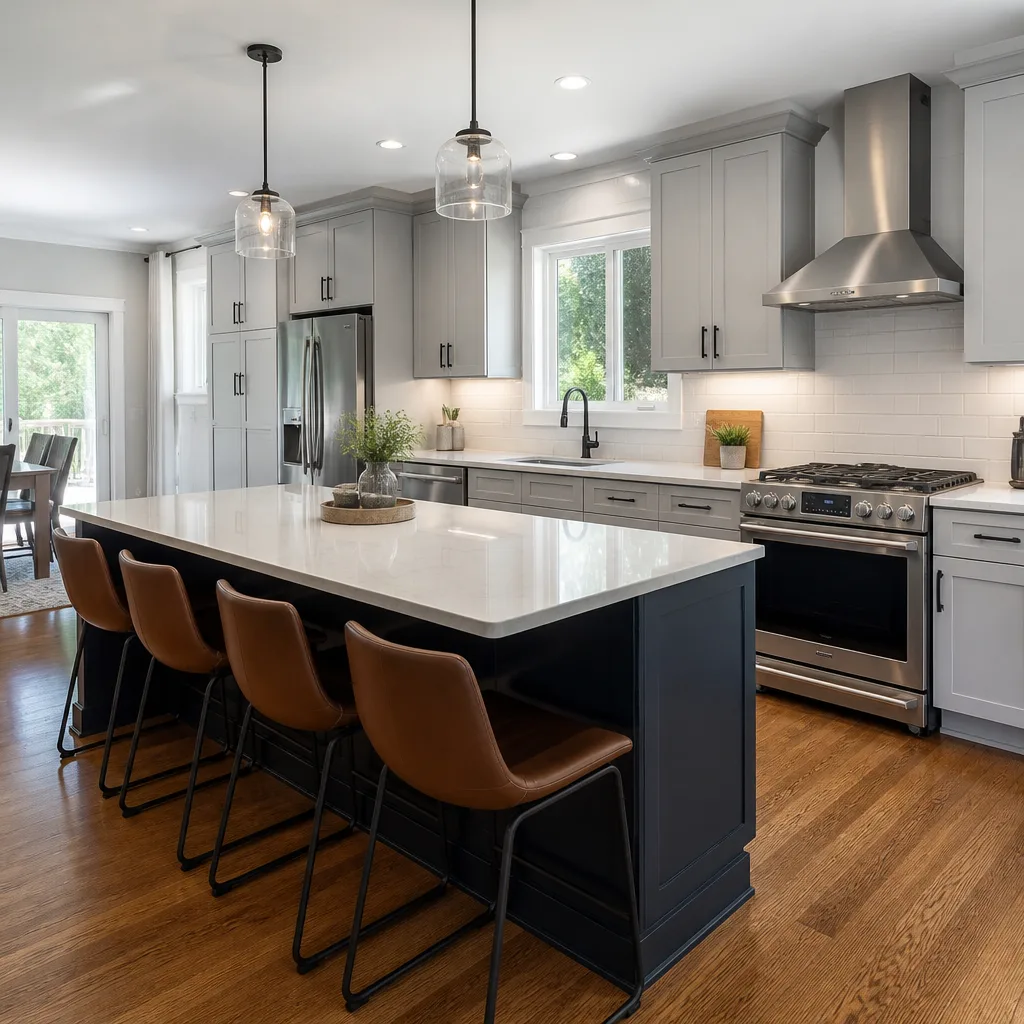
 Kitchen remodeling
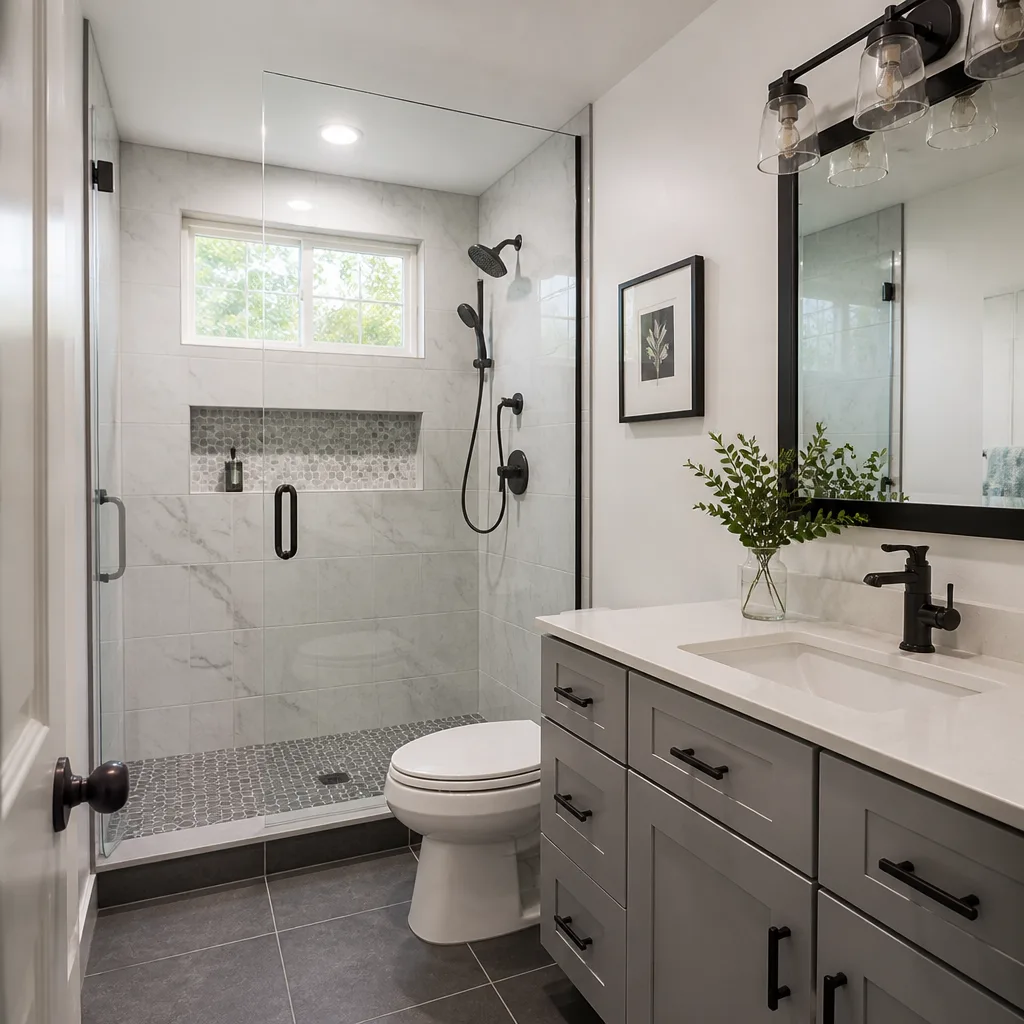 Bathroom remodeling
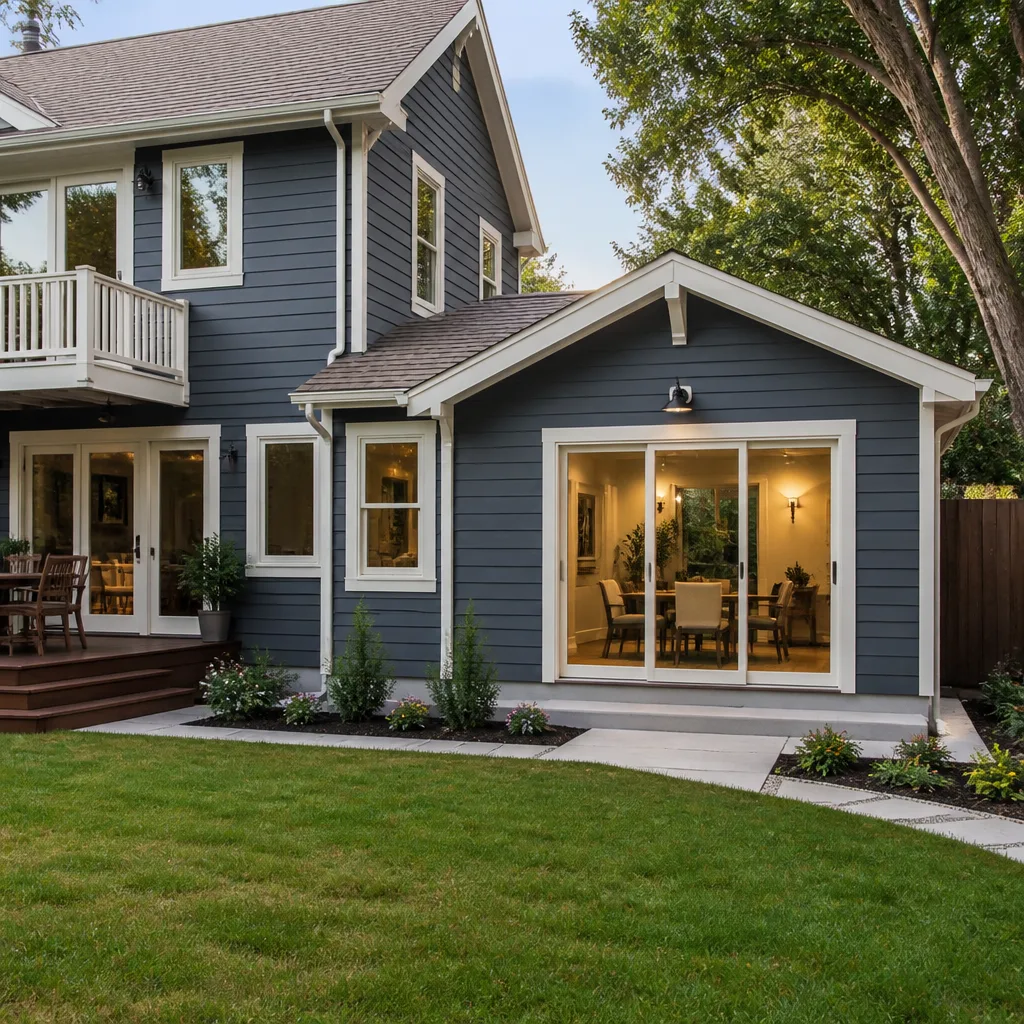 Home additions & ADU
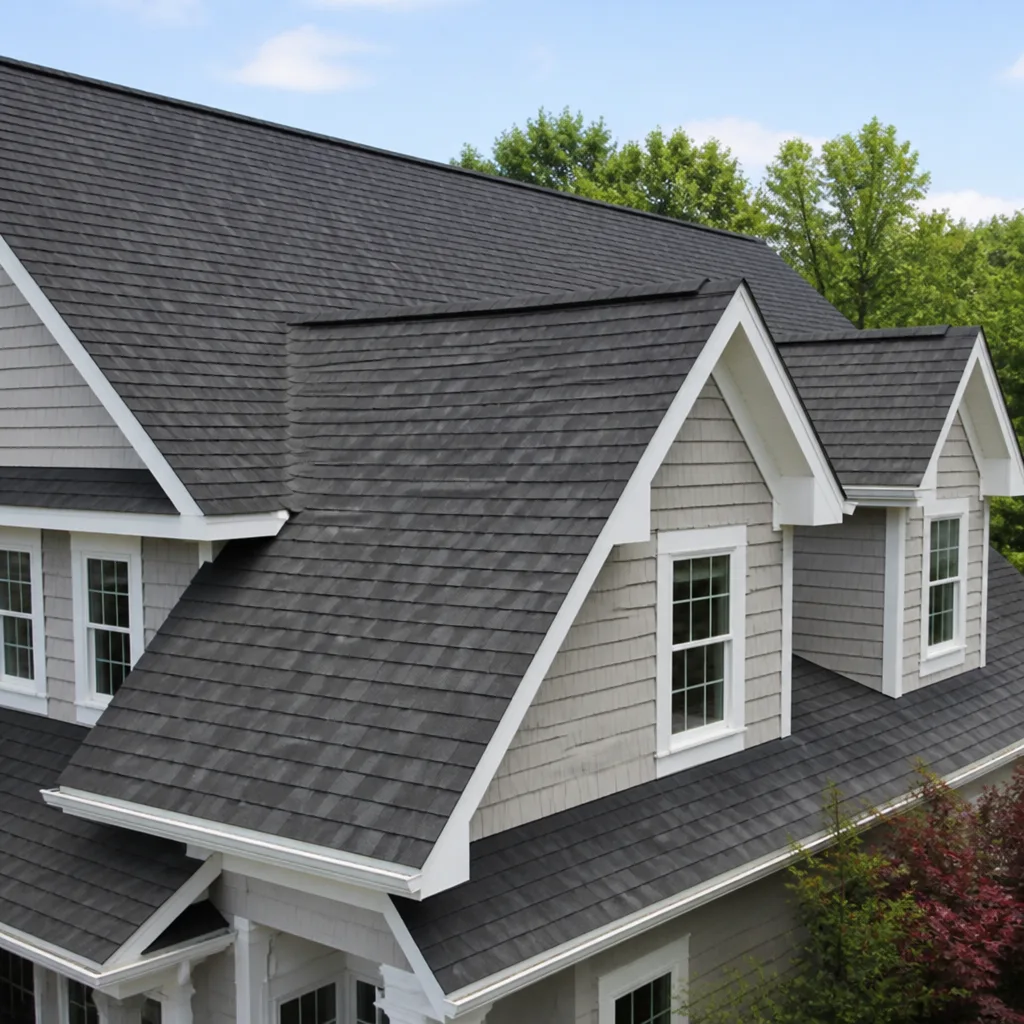 Roofing
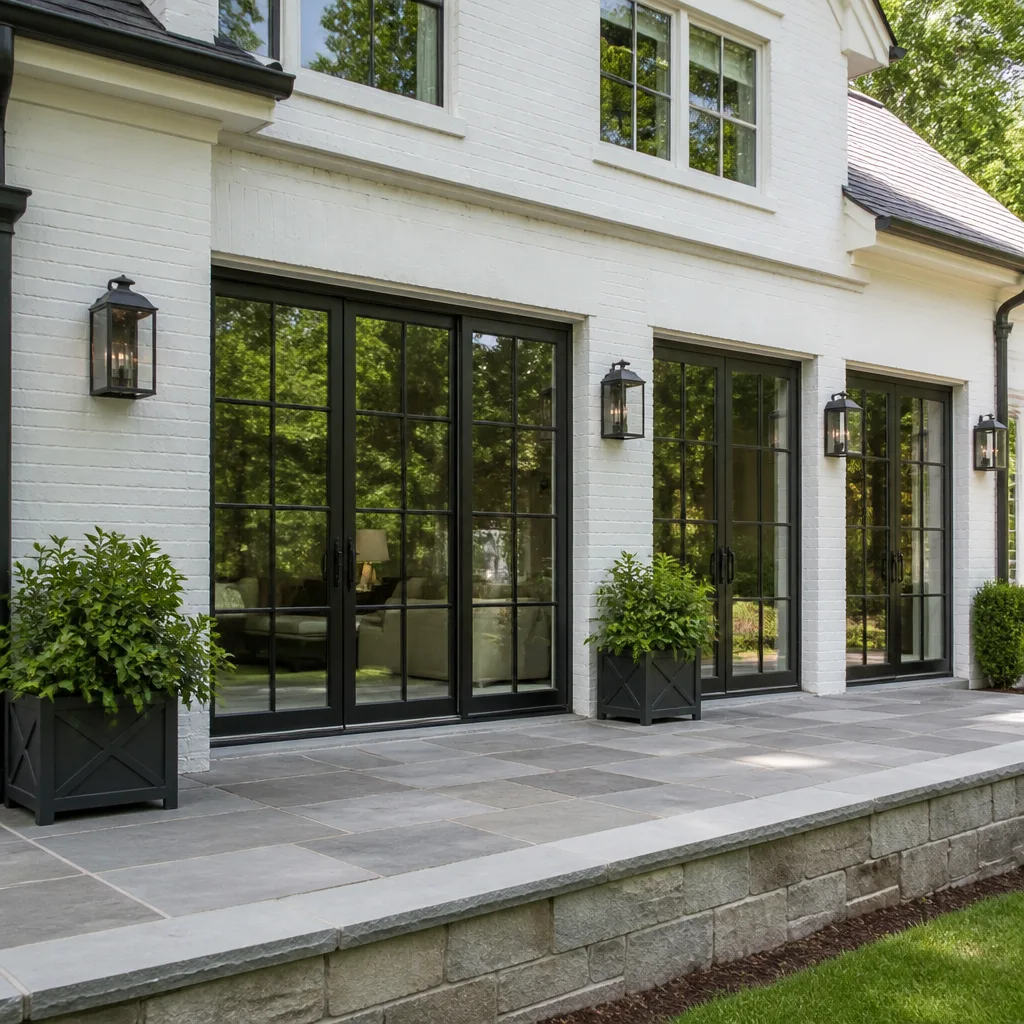 Windows & doors
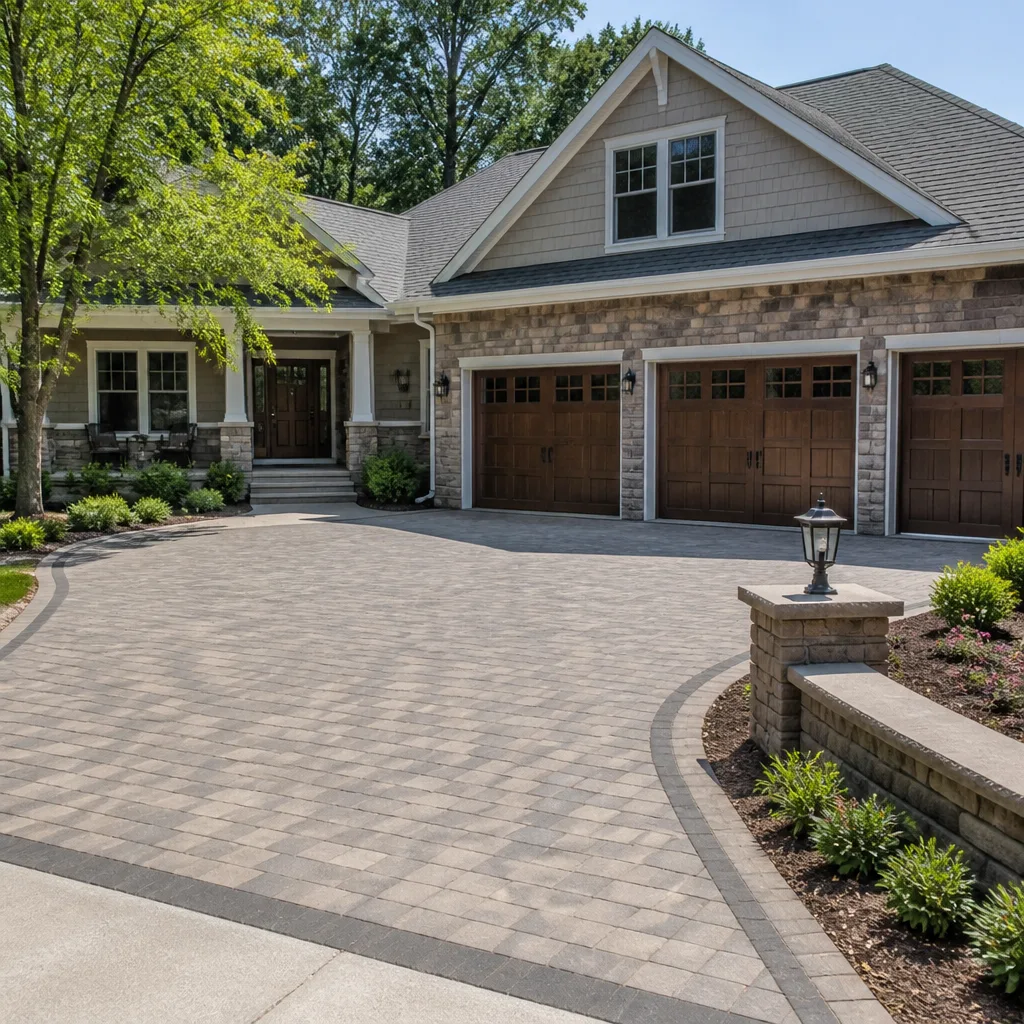 Driveway & pavers
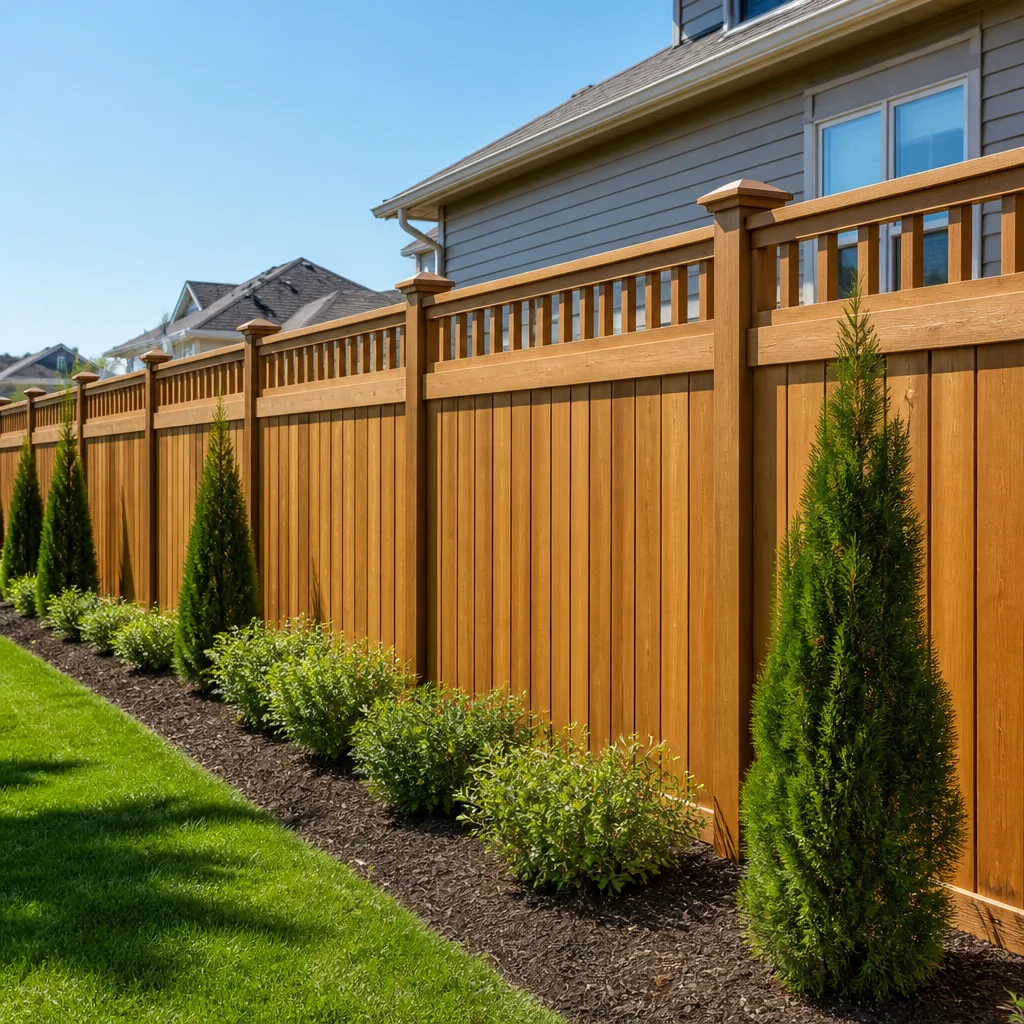 Fence
Free written scope consultation - allowances, timeline, and change-order rules on paper before a single trade is scheduled
CGI Construction in Mission District, CA | Toolbox Contractors
CGI window and door service in Mission District comes down to one thing most installers miss: the 1880s – 1920s Victorian and Edwardian rowhouse stock here battles moisture, fog, and zero side setbacks, so a CGI unit installed without squaring a settled balloon-frame opening will fail within two winters. We’re Toolbox Contractors, an independent construction crew led by Norm Castellano, and we’ve fitted, serviced, and replaced CGI windows, sliders, doors, and exterior trim across the Mission District’s dense, historically sensitive blocks as a Mission District General Contractor. We’re not an authorized CGI dealer and we’ve never claimed to be – we just know how this brand’s assemblies actually behave in old San Francisco wood framing, not on a showroom display. If your CGI windows are fogging, binding, or leaking, call (855) 382-3257 for a free estimate.
Why Mission District Residents Choose Us for CGI Service
Most Mission District rowhouses were built before anyone imagined a vinyl or aluminum fenestration system. The rough openings are rarely square. The walls are balloon-framed, which means they settle and rack over a century of earthquakes, fog-season condensation, and shared party walls. A CGI double-hung set into an out-of-plumb opening without shimming won’t just look wrong – the glazing seals and perimeter gaskets will give out early, and you’ll get water tracking down the interior wall instead of a clean seal. Our crew has spent years working on Mission District flats, Victorians, and converted commercial ground floors, so we plan every CGI install for the building’s actual geometry, not the manufacturer’s idealized rough opening, as part of our Home Remodeling in Mission District.
Norm Castellano grew up in the Muscoy area near San Bernardino, where half the houses on his street were always mid-project. He learned construction fundamentals at San Bernardino Valley College and has spent the better part of two decades untangling jobs that previous contractors left half-finished. That background matters here. On a Mission District block, a rear addition or a new window opening is visible from the neighbor’s backyard and can trigger SF Planning’s neighborhood notification – so a small CGI swap can become a public design-review item. We approach every Mission District job with that reality in mind: document the existing profile, match the elevation like for like, and don’t surprise anyone, least of all the owner. Tell me what you’ve got and I’ll tell you what it actually needs.
Styles & brands we work with
Common CGI Construction Problems We Solve in Mission District
- Fogged glazing units and failed perimeter gaskets. Mission District rowhouses rarely have square rough openings. When a CGI unit is forced into an out-of-square Victorian opening without squaring and shimming first, the glass pack twists and the gaskets unseat. Fog appears between the panes within a season or two, and water tracks down the interior wall. We re-square, re-shim, and replace the OEM glazing unit so the seal actually holds.
- Blistered and peeling prefinished trim and cladding. Cool, foggy Mission summers and wet winters mean condensation sits on exterior surfaces for hours each morning. When moisture gets trapped behind rolled or prefinished CGI trim – common on rowhouses where the wall assembly was never detailed for a modern window – the finish blisters and peels. We flash and backer-rod every CGI trim install to shed water rather than trap it.
- Pitted, chalked aluminum frames on fog-belt west exposures. Mission District buildings facing the ocean side take salt-laden fog year-round. Thin-gauge CGI aluminum frames pit and chalk on those exposures, and locks, rollers, and hinges corrode faster when the rail can’t drain. We replace with the right gauge and set the rail so water exits instead of pooling.
- Sliders and hung units that bind and drag. A settled balloon-frame wall will rack a CGI slider or hung unit within a season if the opening wasn’t plumbed. The result is a brand-new window that operates like a 90-year-old one. We pull the unit, shim the opening plumb, and reinstall – or tell you straight if the wall itself needs attention first.
- Sill leaks on rear-facing units every fog season. On a two-unit Italianate flat off Valencia Street, a rear CGI double-hung leaked at the sill every fog season. The original rough opening had been furred out of plumb, and the OEM sill pan was compromised. We re-squared the opening, replaced the sill pan and glazing unit, and sealed the trim with a proper backer-and-flash detail. Because the rear elevation faced neighbors, we documented the like-for-like profile before ordering so it cleared review without drama.
CGI Service in Mission District: What Local Conditions Mean for Your Equipment
Here’s what changes on a Mission District block versus a detached suburban lot. Most rowhouses here share party walls and have zero side setback. That means any CGI window, door, or rear-addition opening that alters the exterior elevation is visible from the adjacent backyard – and it can trigger San Francisco Planning’s neighborhood notification. A swap that feels small from inside the house becomes a public design-review item because your neighbor has a clear sightline to it. For CGI owners, that has real consequences. You can’t just order a different color or a slightly larger sash and call it done. We match the existing CGI profile, document the elevation before ordering, and stage the work so the visible face of the building doesn’t change without the planning path being clear. This is not a concern in Noe Valley or the Sunset the same way, and it’s exactly the kind of thing that separates a crew that knows the Mission from one that picked the job up off a lead list. We also serve CGI service in Noe Valley, but the Mission’s density and design-review exposure is its own animal.
CGI Models & Products We Service in Mission District
We work on CGI’s contractor-grade double-hung and slider window series in both aluminum and vinyl, plus CGI vinyl and aluminum exterior door systems, sliding and swinging patio door models, and exterior trim, cladding, and prefinished millwork. Our parts approach is simple: when the frame is sound and the part is still in production, we use CGI OEM replacement sashes, glazing units, hardware, and seals. When OEM is discontinued, we source quality aftermarket equivalents – never the cheapest generic that will warp or chalk in two fog seasons. If a frame is rusted through, racked out of square, or the wall behind it is wet, we tell you replacement beats a repair that will fail again. For Mission District turnaround, we keep common CGI hardware and seal profiles on hand so we’re not waiting a week on a backordered sash. Our broader CGI sales & service experience covers the full range of what this brand puts on buildings.
See the difference
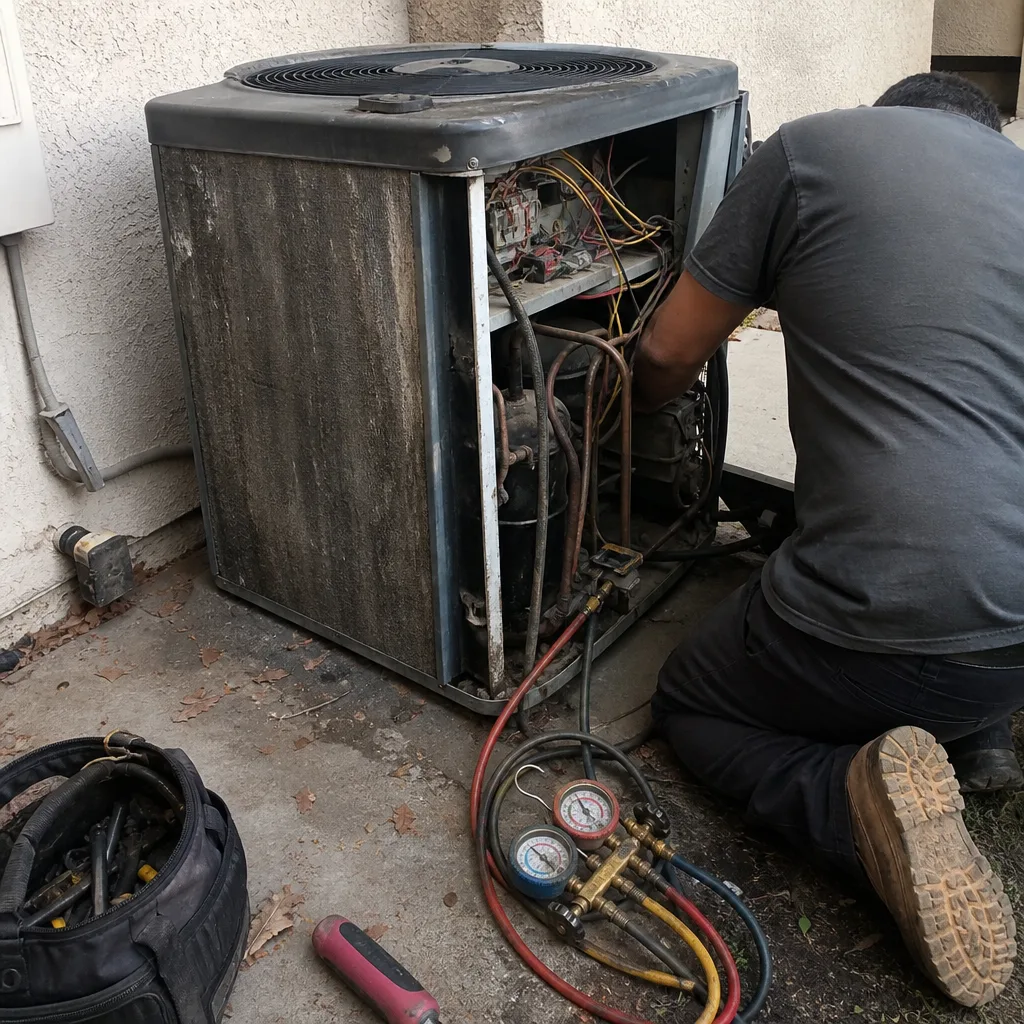 Before
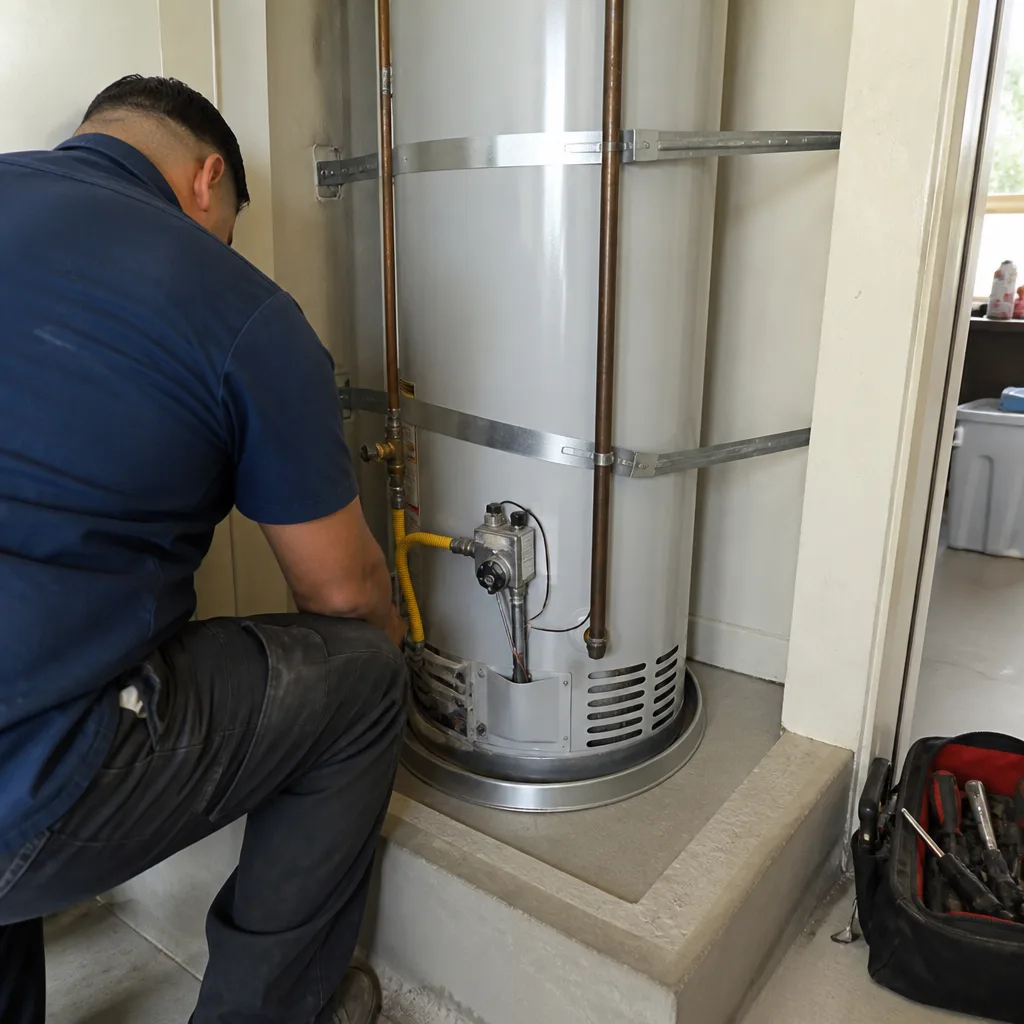 After
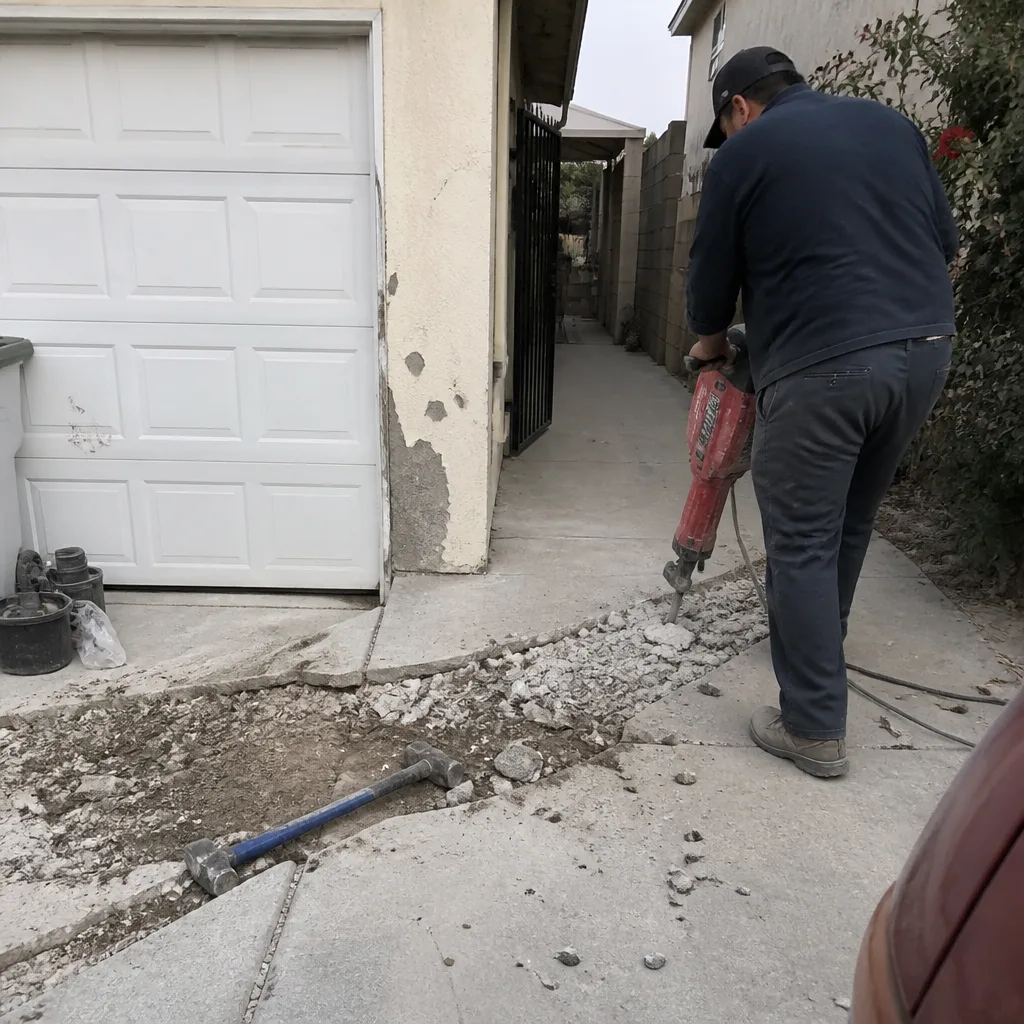 Before
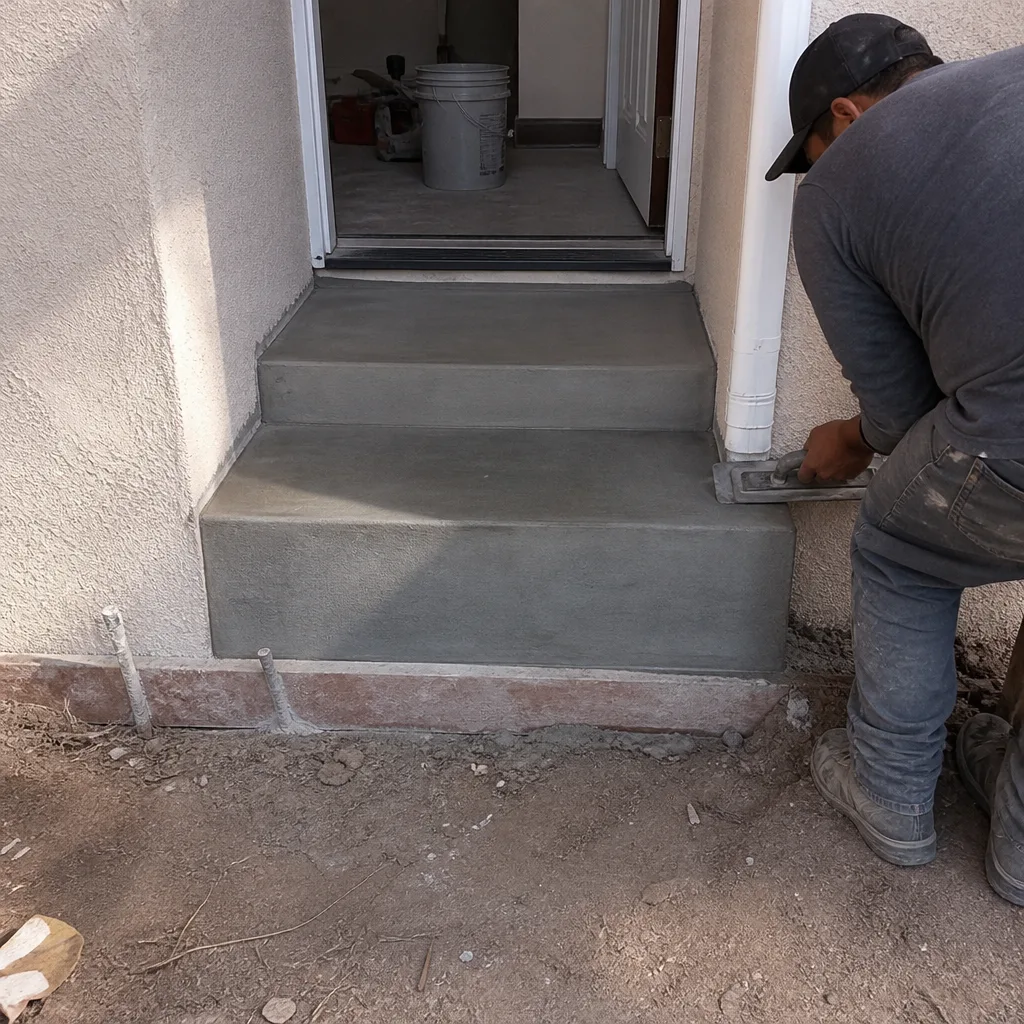 After
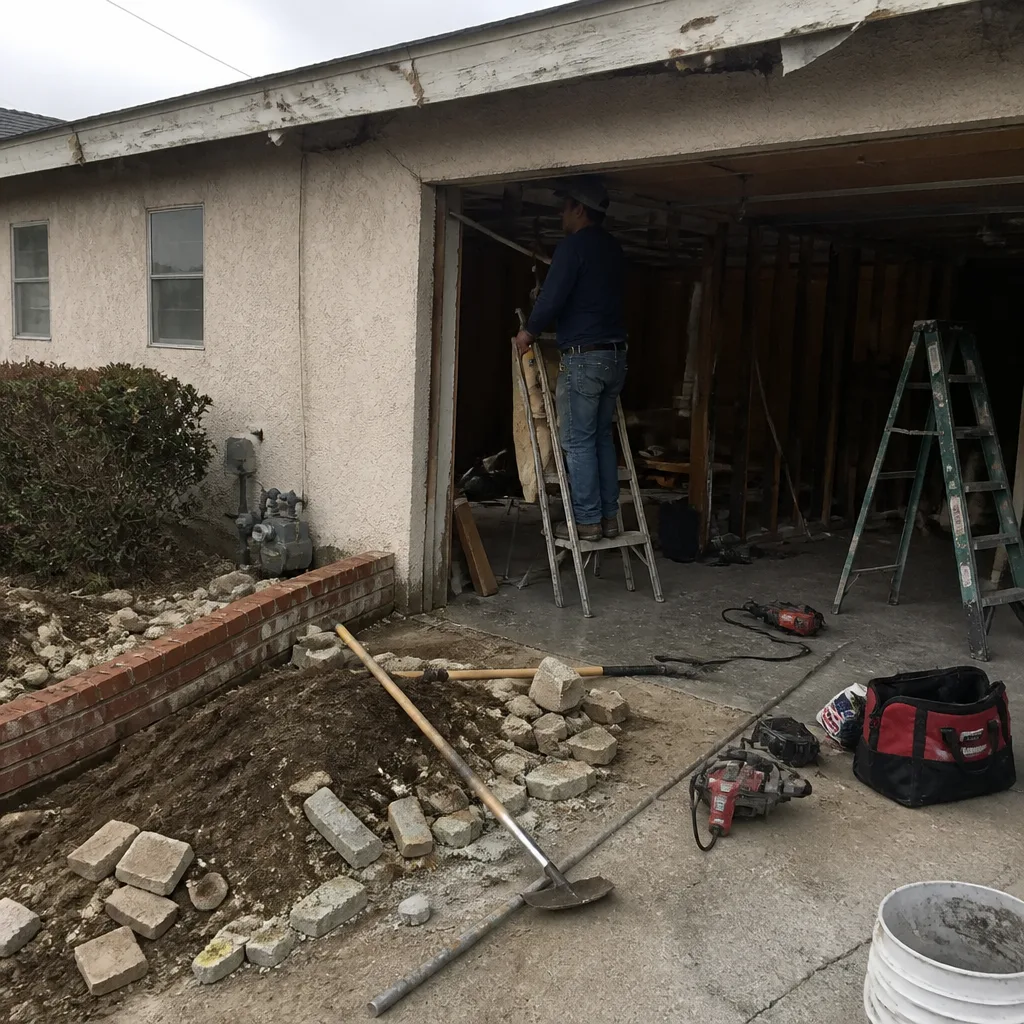 Before
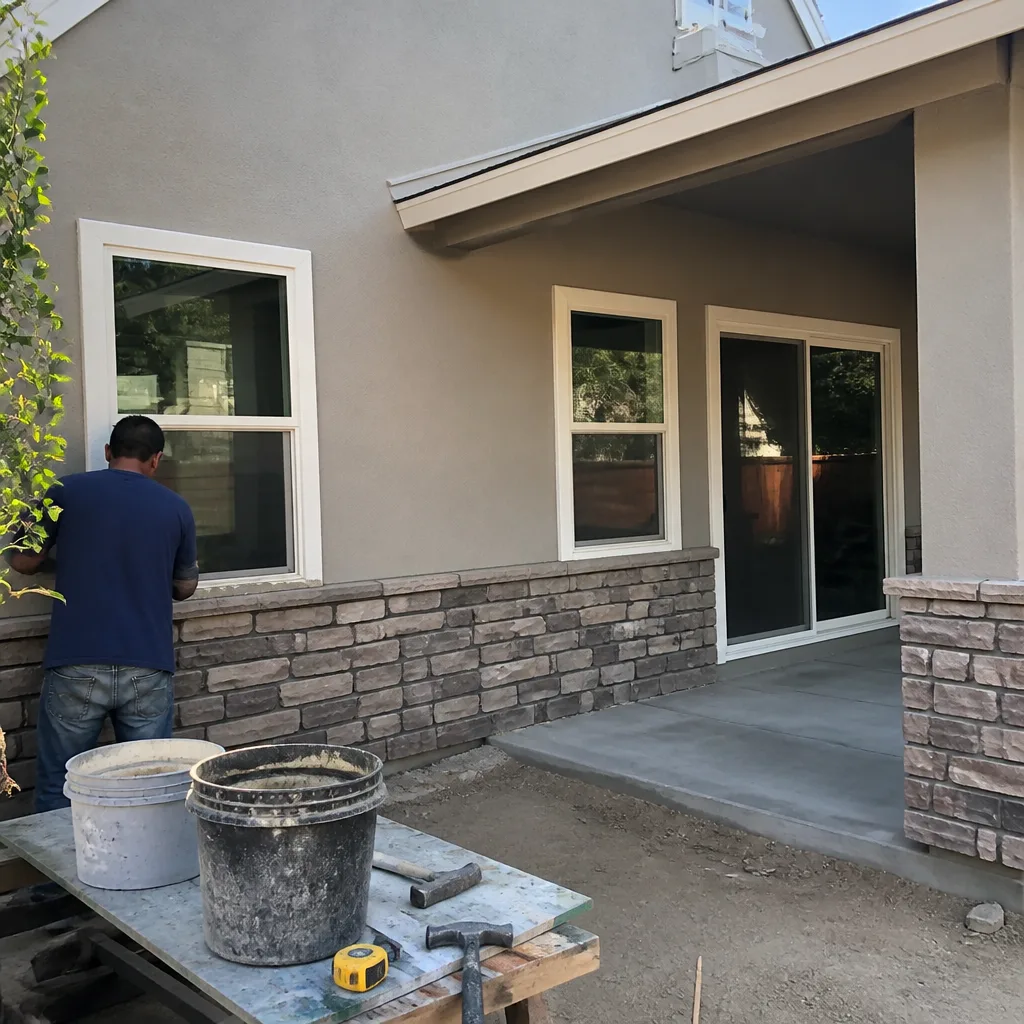 After
CGI Service Pricing in Mission District
CGI work in Mission District is priced by scope, not by a flat rate, because a three-unit Edwardian with six street-facing windows is a different job than a rear slider on a ground-floor flat. The table below gives you the ranges we work within across the services most relevant to CGI owners here.
| Service | Typical Mission District Range |
|---|---|
| Window Replacement | $4,500 – $15,000 |
| Full Kitchen Remodeling | $14,000 – $45,000 |
| Roof Repair | $400 – $1,800 |
| Roof Replacement | $8,000 – $20,000 |
| Cabinet Installation | $4,000 – $13,000 |
What drives cost on a Mission District CGI job: access (zero setback means staging from the street or a neighbor’s easement), the condition of the rough opening, whether the elevation triggers planning notification, and whether we’re repairing a sash or replacing the full frame. Every estimate is free, line-itemed, and we don’t change the number once work starts. Call (855) 382-3257 and we’ll walk the opening with you.
Serving Mission District, CA — Our Local Coverage Area
We’re based in the Mission District area and know this community well, and we also serve Chinatown CGI service needs. Use the map below to see our service coverage — if you’re nearby, we can almost certainly help.
FAQs – CGI Construction in Mission District
Yes, in most cases. We match the existing CGI profile – sash dimensions, muntin pattern, exterior color, and reveal – and document the street-facing elevation before ordering. If the visible face changes at all, we flag it early so you know whether SF Planning needs to weigh in before work starts. Call (855) 382-3257 and we’ll tell you what your specific elevation allows.
Fogging plus dragging usually means the unit was installed into an opening that wasn’t plumb, and the glass pack has lost its seal while the frame has racked. If the frame itself is sound, we replace the OEM glazing unit, shim the opening plumb, and replace the rollers and hardware. If the frame is racked or the wall behind it is wet, replacement is the honest call – a repair that fails in two winters costs more than doing it right once. Call (855) 382-3257 for a free assessment.
It depends on whether the opening changes. A like-for-like sash replacement with the same dimensions and profile typically doesn’t require a permit. If the rough opening changes, the exterior elevation shifts, or your building is a designated historic resource, you may need a building permit and possibly design review. We check that before work starts, not after. Call (855) 382-3257 and we’ll tell you what applies to your block.
No. Toolbox Contractors is an independent construction crew. We are not authorized, sponsored, or endorsed by CGI, and we never represent our work as carrying a manufacturer warranty beyond what the product itself provides. What we offer is years of hands-on experience fitting CGI products in old San Francisco rowhouses – the kind of knowledge you don’t get from a dealer counter. If OEM parts are what the job needs, we use them. If you need warranty work from CGI directly, we’ll tell you that too.
Because the building moves. Mission District flats were built as balloon-frame wood structures between 1880 and 1920 – they settle, rack, and swell with fog-season moisture. A modern CGI unit set into an out-of-square rough opening without proper shimming, flashing, and backer rod will fail its glazing seals and hardware far faster than the same unit in a new building with a square opening and modern wall detailing. The fix is installation spec, not a better window. Call (855) 382-3257 for an exact quote on your building – estimates are free.
Service Areas Near Mission District
We cover the entire Mission District, 94110, and the surrounding San Francisco neighborhoods where the housing stock runs the same way – the older flats and Victorians that need a crew who knows their bones. Our service radius includes Mission District service area coverage plus neighboring neighborhoods like Noe Valley, Bernal Heights, Potrero Hill, and the Castro. We also run CGI service in San Francisco citywide, including the denser blocks where design review and zero setbacks shape every job.
Book Your CGI Service in Mission District Today
If your CGI windows are fogging, your sliders are dragging, or your trim is peeling on a Mission District rowhouse, call (855) 382-3257 — we also handle CGI in Visitacion Valley. We’ll walk the opening, tell you what’s actually wrong, and give you a free line-item estimate. No upcharge for the fog belt. No surprises when the review letter shows up. Just a straight answer and a tight job.
Written by Norm Castellano, Owner at Toolbox Contractors, serving Mission District since day one of every rot we’ve pulled back and every opening we’ve squared.