

 Kitchen remodeling
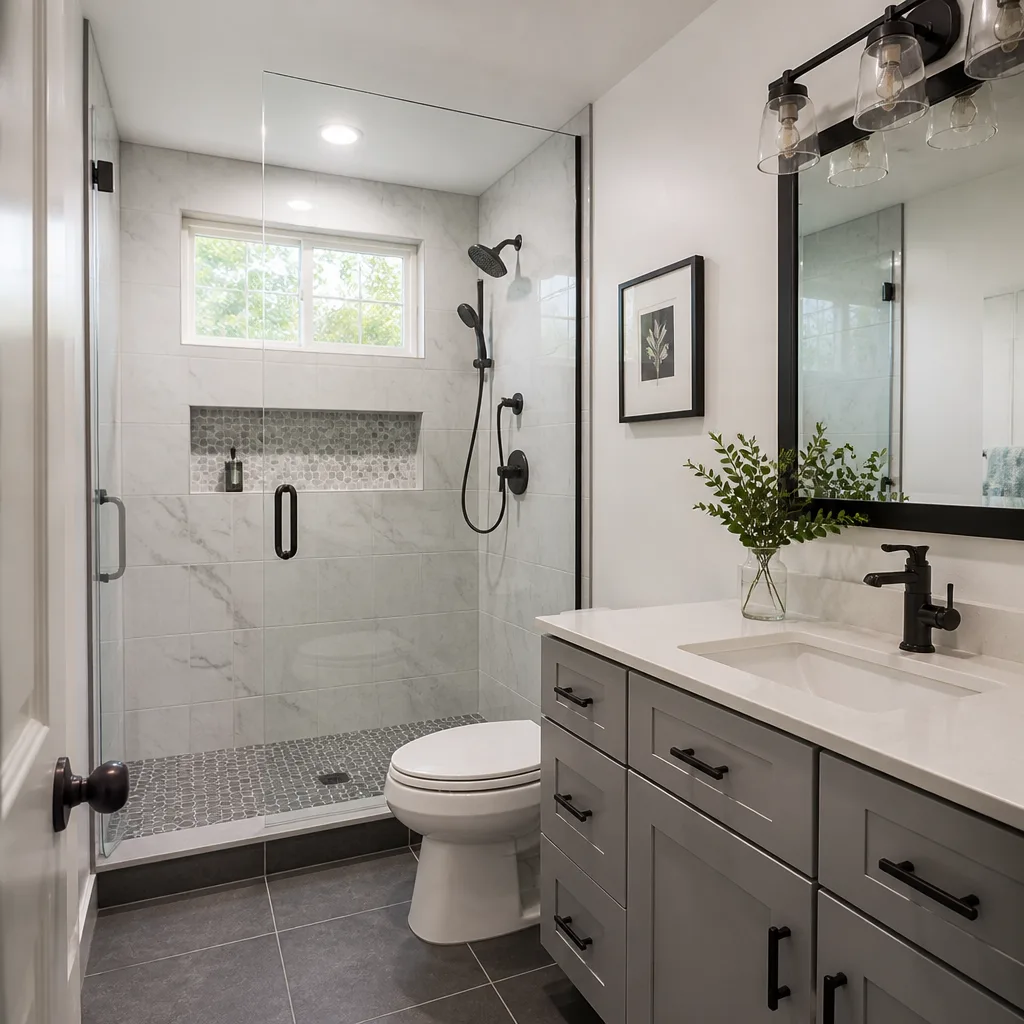 Bathroom remodeling
 Home additions & ADU
 Roofing
 Windows & doors
 Driveway & pavers
 Fence
Free written scope consultation - allowances, timeline, and change-order rules on paper before a single trade is scheduled
CGI Construction in Stanford, CA | Toolbox Contractors
We provide independent CGI window, door, and hardware service across Stanford, from campus faculty housing to institutional buildings, and also offer Palo Alto CGI service for nearby properties. The short version: we diagnose and repair CGI aluminum and vinyl units without any manufacturer authorization, because what matters in Stanford isn’t a badge, it’s knowing how these units fail after Peninsula winters. Call (855) 382-3257 for an honest assessment of what your CGI units actually need.
Our crew works on CGI sales & service every week. We know their sliding windows, casement windows, patio doors, and entry door hardware the way a mechanic knows a specific engine family. And we know the Stanford side too: campus ZIP 94305 runs through the university’s own review process, not the city of Palo Alto’s. That changes how work gets scheduled, priced, and completed here. If you’re in Stanford service area and your CGI windows are sticking, leaking, or failing to latch, we can tell you whether it’s a rebuild or a replacement, and we’ll give you a straight number for either path.
Why Stanford Residents Choose Us for CGI Service
CGI built their reputation on impact-rated windows and doors, especially in coastal and high-wind markets, though our CGI in Los Altos Hills sees more inland wear patterns. Stanford sits inland enough that impact ratings aren’t the daily concern, but the products still show up in campus residential and institutional work, often specified years ago when the university was standardizing on certain window lines. Owners inherit those units and have to live with them. That’s where we come in.
Norm Castellano runs Toolbox Contractors, and he learned early that a window is only as good as its installation and its follow-up service. He grew up in Muscoy, studied construction at San Bernardino Valley College, and spent nearly two decades framing, roofing, and rebuilding kitchens before he ever had a crew of his own. That background means we don’t treat CGI service as a parts-swap. We look at the whole opening: frame, flashing, shims, sealant, and the way water moves around the unit in a Stanford winter.
We use OEM CGI hardware and glass where it’s available. When OEM lead times would stall a project for months, we tell you that and spec quality aftermarket rollers, weatherstrip, and closers. No hidden games about what’s OEM and what isn’t. You’ll know what we’re installing and why before we touch anything.
Styles & brands we work with
Common CGI Construction Problems We Solve in Stanford
- Seized rollers and corroded tracks on aluminum sliders. Peninsula winters bring wind-driven rain that finds its way into CGI sill tracks on exposed facades. The rollers bind, the sash gets heavy, and eventually the homeowner stops using the window entirely. We pull the sashes, clean or replace the tracks, and install new rollers rated for repeated use.
- Vinyl frame corner separation from bad shimming. CGI vinyl single-hung replacement windows installed with inadequate shimming can separate at the welded corners. On older Stanford faculty homes, especially Mediterranean-revival styles with stucco walls, that gap lets water creep into the wall cavity where you can’t see it until the damage is done.
- Door hardware that sags under institutional traffic. Heavy CGI entry doors on campus buildings take hundreds of cycles a day. Closers wear out, hinges sag, latches stop engaging, and strike plates wallow out oval. A door that won’t latch isn’t just annoying, it’s a security and weather-seal problem.
- Fogged glass and failing seals on south and west exposures. Stanford gets real sun on those exposures. CGI weatherstripping and insulated glass seals degrade faster, leading to fogging and air infiltration that shows up on energy bills long before anyone sees a leak.
- Wind-driven water at campus-facing sills. Buildings that face open campus quads catch more wind than tucked-away residential streets. If the original sill flashing wasn’t right for that exposure, water works its way under the unit and into the rough opening.
CGI Service in Stanford: What Local Conditions Mean for Your Equipment
Here’s what makes Stanford genuinely different from Menlo Park, Redwood City, or even Palo Alto proper, and why our CGI service in West Menlo Park follows a different playbook. Campus-area projects in ZIP 94305 run through Stanford’s own land-use authority and construction-containment rules, not standard city of Palo Alto jurisdiction. That means noise, work hours, staging, and even the timing of disruptive work are set by the university. A window swap on a faculty home near Campus Drive often has to fit into break periods or specific work windows that a homeowner in College Terrace would never think about. For CGI owners, that’s not a bureaucratic footnote; it’s the actual schedule. If your CGI sliders need to be pulled and rebuilt with new rollers and weatherstripping, the work might wait for a university break, especially if the building sits close to academic spaces. Norm’s approach to this is simple: tell me what you’ve got and I’ll tell you what it actually needs. Then we figure out the timing Stanford’s process allows.
CGI Models & Products We Service in Stanford
We service the CGI Windows & Doors lines most common in this area—aluminum sliding and casement windows, vinyl single-hung replacement windows, patio and entry door systems, and interior/exterior door and hardware lines—and our CGI service in Los Altos covers the same product range. Our parts strategy is honest: we use OEM CGI hardware and glass where availability supports the project timeline, and we spec proven aftermarket rollers, weatherstrip, and closers when a six-week OEM lead time would leave a Stanford residence hall door unlatched through finals week. That’s the kind of call we make with the owner’s input, not behind their back. We stock common CGI-compatible rollers, weatherstrips, and closer parts locally so Stanford turnarounds don’t depend on a shipment from across the country.
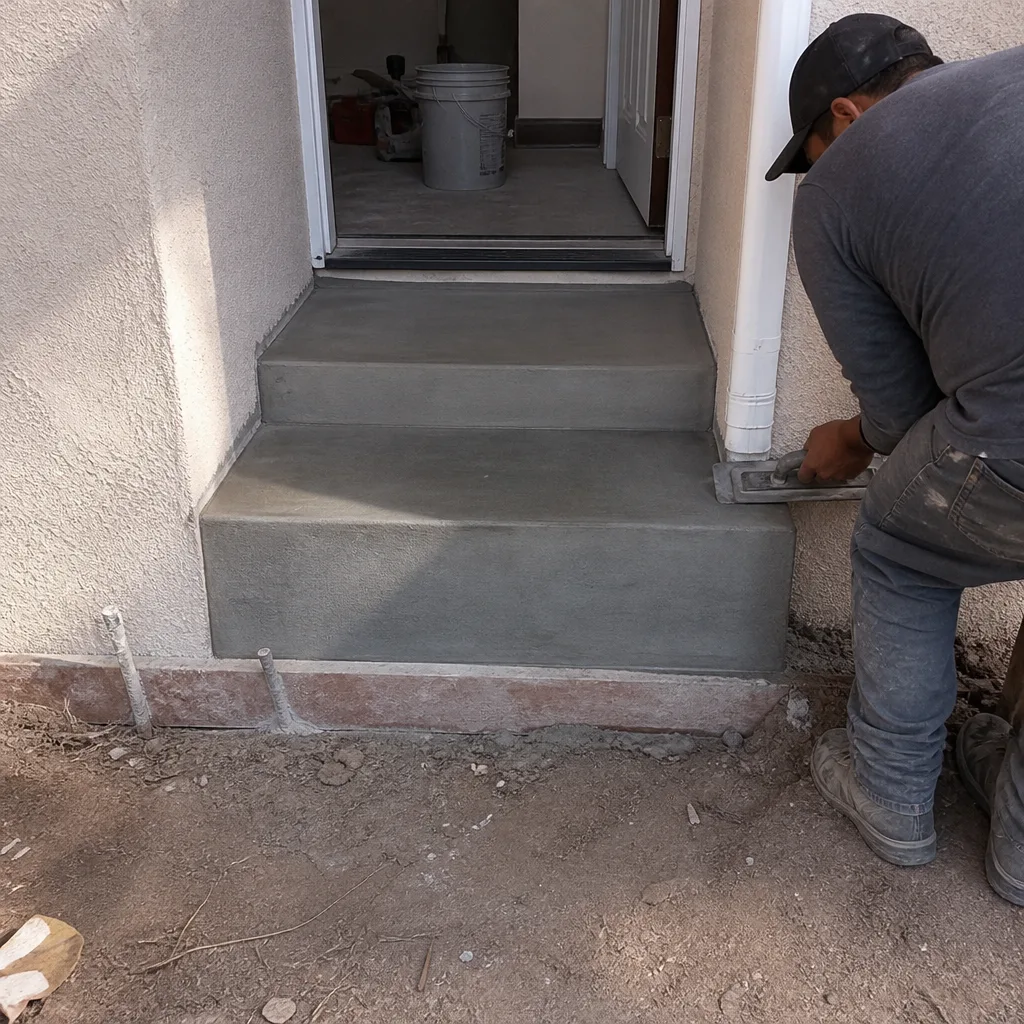
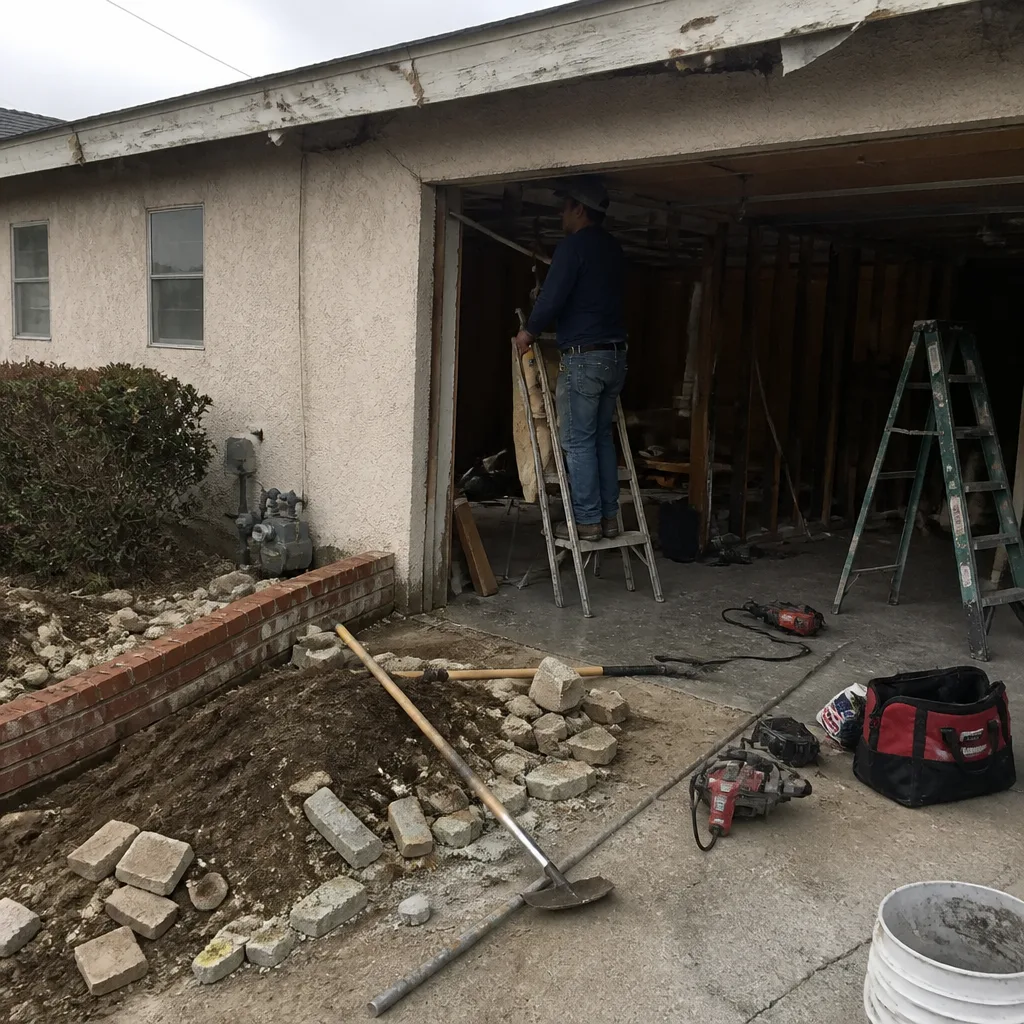
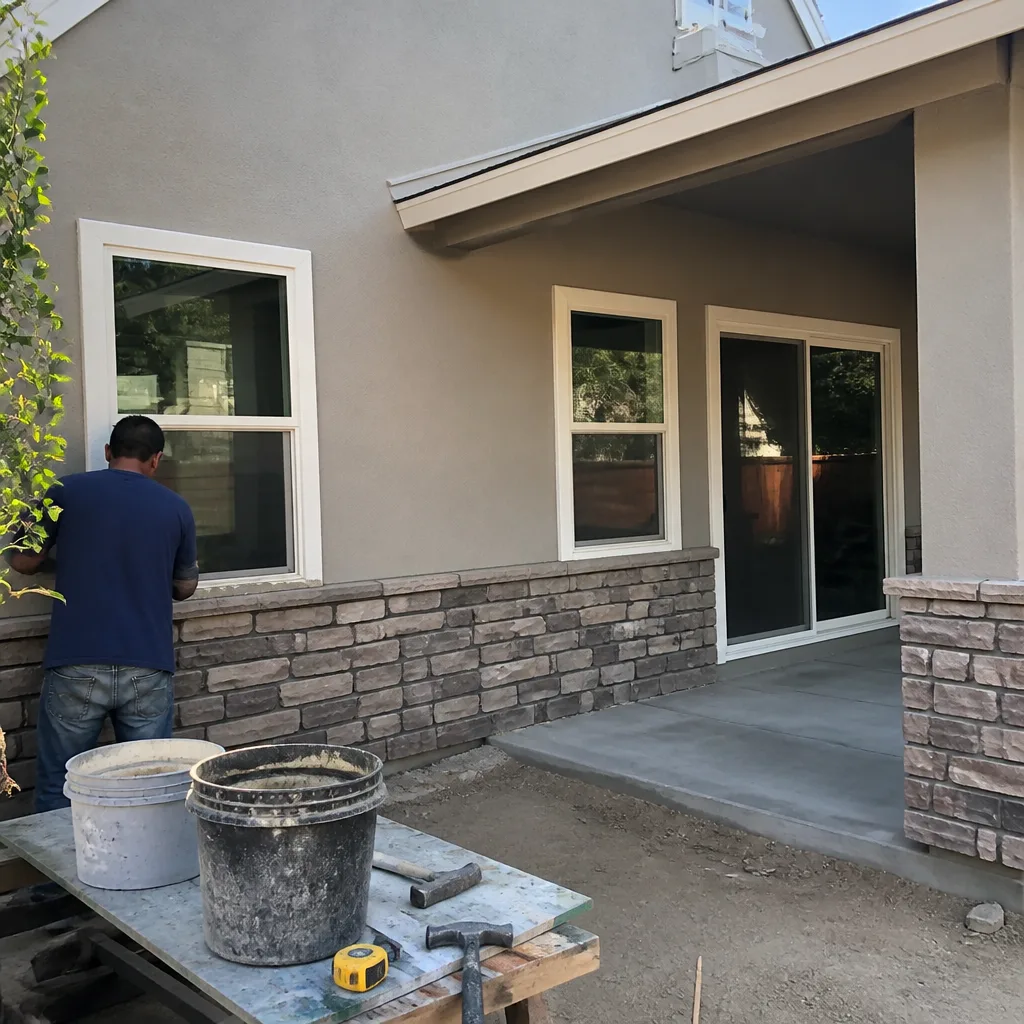
See the difference
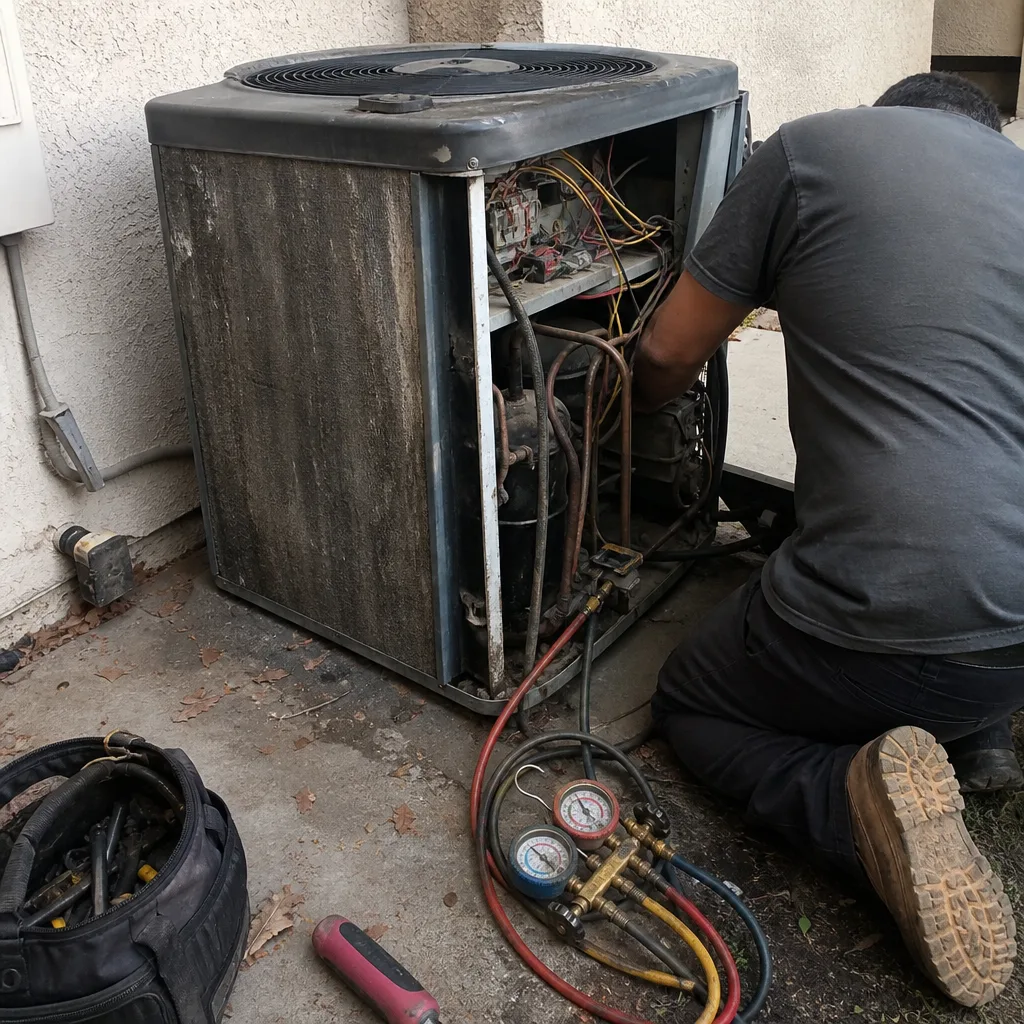 Before
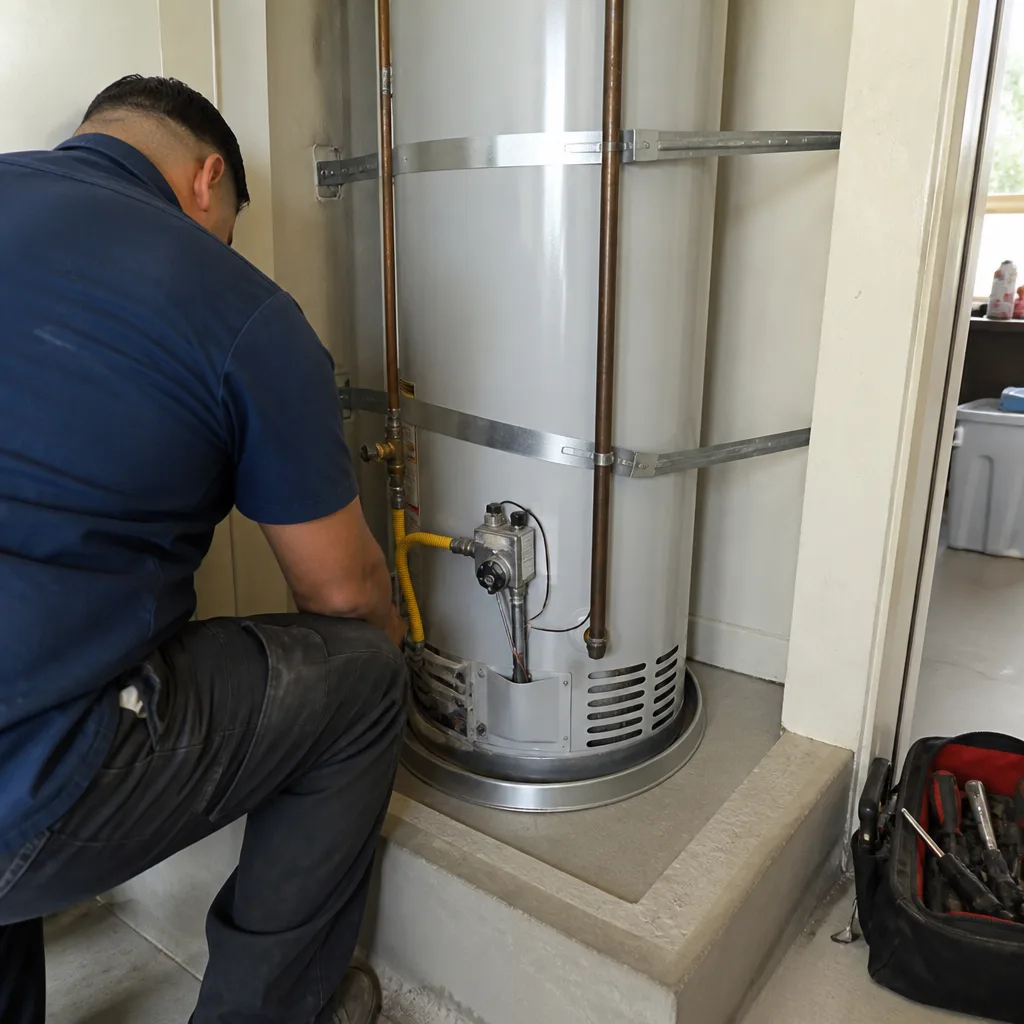 After
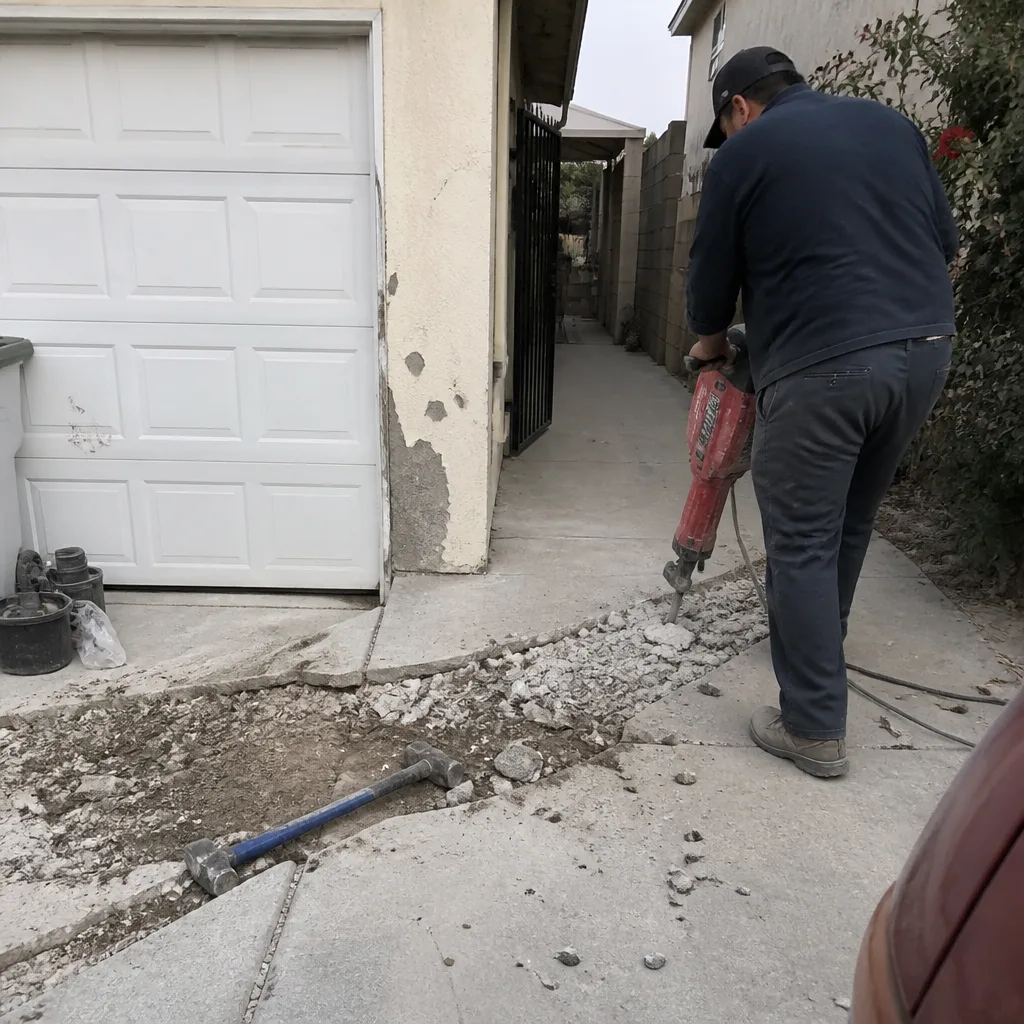 Before
 After
 Before
 After
CGI Service Pricing in Stanford
What you’ll pay depends on what we find when the unit comes apart. A slider that just needs rollers and a track cleaning is a different job from a door that needs new closers, hinge plates, and a re-hung slab. Here are the ranges we work within for Stanford CGI window and door work:
| Service | Typical Range |
|---|---|
| Window Replacement | $4,500 – $15,000 |
| Impact Window Installation | $8,000 – $25,000 |
| Roof Repair | $400 – $1,800 |
Those are honest market ranges, not bait. Your free estimate includes a line-by-line breakdown of what needs replacing, what can be rebuilt, and what the labor actually costs. Call (855) 382-3257 and we’ll put that in writing for you.
Serving Stanford, CA — Our Local Coverage Area
We’re based in the Stanford area and know this community well. Use the map below to see our service coverage — if you’re nearby, we can almost certainly help.
FAQs – CGI Construction in Stanford
No, but the catch is that Stanford’s own land-use authority and construction-containment rules govern campus-area projects in ZIP 94305, so the process runs through the university’s review rather than the city of Palo Alto’s standard residential permitting path. That means your CGI window replacement may need to fit Stanford’s work-hour and noise rules, and disruptive work often waits for break periods. We handle that timing every week. Call (855) 382-3257 and we’ll walk you through what your specific building needs.
Wind-driven rain gets into the sill tracks, the rollers corrode or seize, and the sash starts dragging; on older CGI aluminum sliders, the track itself may be pitted enough that new rollers alone won’t fix it. We pull the sash, assess the track, replace what’s worn, and re-seal the sill so the next wet season doesn’t repeat the cycle.
Yes. Stanford sets construction-containment hours and staging rules for campus-area projects, so noisy work like pulling sashes or re-hung doors often needs to happen inside break periods or approved work windows. We plan CGI service in Stanford around that calendar, not against it.
In most cases, yes. Heavy CGI entry doors on high-traffic campus buildings usually fail at the closer, hinge, or strike plate, not at the slab itself. Rebuilding the hardware is commonly a fraction of replacement cost and keeps the original door in service. Call (855) 382-3257 for an exact quote on your doors; estimates are free.
No. Toolbox Contractors is an independent CGI service provider, not manufacturer-affiliated or authorized, and we’re upfront about that. Our experience comes from field work on CGI units in real Stanford buildings, diagnosing actual failure modes, not from a certification on a wall.
Service Areas Near Stanford
We handle CGI service across San Bernardino, Colton, Muscoy, Loma Linda, and Rialto. If you’re in CGI service in Ladera or CGI service in Portola Valley, the same crew covers those areas too. Stanford’s the hub, but we run the whole radius.
Book Your CGI Service in Stanford Today
If your CGI windows are sticking, leaking, or just tired, don’t wait for a wet winter to prove it. Call (855) 382-3257 and schedule a free estimate. Norm and the crew will tell you what you’ve got and what it actually needs.
Written by Norm Castellano, Owner at Toolbox Contractors, serving Stanford since the day he first had to pull a seized CGI sash out of a faculty home.