
Last updated October 31, 2026
 Kitchen remodeling
 Bathroom remodeling
 Home additions & ADU
 Roofing
 Windows & doors
 Driveway & pavers
 Fence
Free written scope consultation - allowances, timeline, and change-order rules on paper before a single trade is scheduled
General Contractor Troubleshooting: Common Problems and How to Fix Them
The most expensive contractor mistake isn’t hiring the wrong person. It’s waiting until week eight to say something when the red flags showed up in week two. Every stalled remodel, blown budget, and shoddy finish we’ve untangled in San Bernardino followed a pattern that was visible early, if you knew what to look for. This guide walks through the diagnostic side of a troubled construction project: what goes wrong, why it goes wrong, and the exact steps to correct course before a minor misalignment becomes a six-figure problem. For more guides & resources, see our blog. You’ll learn how to read financial warning signs, use California’s lien system as a health check, and have the hard conversations without triggering a contract war.
Styles & brands we work with
Quick Answer
Most general contractor problems fall into four buckets: payment mismanagement, scope confusion, scheduling failures, and workmanship disputes. The fix in every case is the same first step: document the issue in writing, request a formal response with a deadline, and stop authorizing additional payments until the discrepancy is resolved. If subcontractor liens start appearing, your contractor isn’t paying suppliers, and that’s a five-alarm signal requiring immediate action.
Table of Contents
- The Four Earliest Warning Signs Your GC Is Financially Overextended
- How to Use California’s Preliminary Notice and Mechanics Lien System as a Diagnostic Tool
- The Conversation Script: Confronting a GC About a Missed Milestone
- Scope Creep Disguised as Change Orders: How It Drains Budgets
- When to Call the CSLB, Send a Cure Notice, or Hire an Attorney
- Material Substitutions: When You’re Not Getting What You Paid For
- Schedule Slippage: The Difference Between Normal Delays and Abandonment
- Common Mistakes to Avoid
- When to Call a Professional
- Frequently Asked Questions
- The Bottom Line
The Four Earliest Warning Signs Your GC Is Financially Overextended
A general contractor running out of money doesn’t announce it. The signs show up in logistics first. Here’s what we’ve seen in San Bernardino projects where the GC was quietly insolvent: materials go unbilled to your account for weeks, subcontractors show up looking confused about what they’re supposed to do, and lien releases stop accompanying your progress payments. These four signals appear in a specific order, and catching the first one gives you leverage before the problem compounds.
1. Materials stop arriving but the schedule says they should. A solvent contractor orders cabinets, windows, and roofing materials weeks ahead of installation. When those deliveries slip and the GC’s explanation is vague (“supplier delay” without specifics), the real story is often unpaid invoices at the supply house. In San Bernardino, where summer heat pushes everyone to schedule exterior work early, a contractor who hasn’t secured siding by April is either disorganized or out of credit.
2. Subcontractors show up and leave confused. We’ve heard this from homeowners across North San Bernardino and Del Rosa: a framing crew arrives, walks the site, makes phone calls, and drives off. That usually means the sub hasn’t been paid for the last draw and is checking whether the GC is on site to demand payment. Confusion at the curb is a payment dispute in disguise.
3. No lien releases after payments. Every progress payment you make should generate a conditional or unconditional lien release from the GC and each major subcontractor. If you’ve paid for rough framing and no releases arrive within two weeks, the money isn’t flowing downstream. Subs who aren’t paid will eventually file mechanics liens against your property, and you’ll discover the gap the hard way.
4. The GC asks for money ahead of schedule. “We need to accelerate the kitchen order before the price goes up” is a classic phrase. Sometimes prices do rise. More often, the GC is robbing one project’s funds to finish another. If the request doesn’t match a completed milestone in your contract, pause it. The California Contractors State License Board heavily restricts upfront deposits for a reason.
When you’re evaluating contractors before the project starts, the same financial signals apply in reverse. A contractor who insists on a large deposit, can’t name their primary material suppliers, and avoids discussing lien releases is showing you the same warning signs in advance. A full-scope General Contractor in San Bernardino should be able to show you paid invoices for major material orders on request. If they can’t, keep looking.
How to Use California’s Preliminary Notice and Mechanics Lien System as a Diagnostic Tool
California’s mechanics lien system is the most underused diagnostic tool a homeowner has. Subcontractors and suppliers file Preliminary Notices within 20 days of first providing labor or materials. Those notices come to you, the property owner, not to the GC. Think of each Preliminary Notice as a real-time pulse check on your contractor’s payment behavior. If subs are filing, your GC isn’t paying them. It’s that simple.
Here’s how to read what you receive:
- Zero preliminary notices on a large project. Suspicious. A kitchen remodel in San Bernardino typically involves five to ten separate trades and suppliers. If nobody files, the GC may be running everything through a single shell or paying subs under the table, which leaves you exposed if the GC disappears.
- Notices from trades you recognize. Normal and healthy. The electrician, plumber, drywall supplier, and cabinet shop should all file. It protects them and documents who worked on your property.
- Notices from companies you’ve never heard of. Worth a phone call. Ask the GC who these firms are and what they’re supplying. A legitimate GC knows every sub on the job and can explain each one in one sentence.
- A Notice of Intent to Lien. Red alert. Someone has gone unpaid long enough to start legal machinery. Call the GC within 24 hours and demand written proof of payment or a detailed dispute explanation.
San Bernardino County records show a steady stream of mechanics lien filings on residential remodels every year, and the majority trace back to one failure: the homeowner paid the GC, and the GC didn’t pay the sub. The homeowner then pays twice, because the lien attaches to the property, not to the contract. You don’t need to become a lien law expert. You need to open every piece of mail from the project and treat a filing as what it is: evidence about your contractor’s cash position.
The lien system also shapes how we handle our own projects. We run lien release tracking on every phase of a Home Remodeling in San Bernardino job, from demo through final punch list. Homeowners should expect that level of transparency. If a contractor gets defensive when you ask about releases, that defensiveness is itself diagnostic.
The Conversation Script: Confronting a GC About a Missed Milestone
Most homeowners avoid the hard conversation because they’re afraid of triggering a walk-off or a contract dispute. The reality in San Bernardino’s remodeling market is the opposite: contractors respect clients who address problems early and directly. The homeowner who says nothing until week eight is the one who ends up in arbitration. Here’s a practical script you can use on the phone or in person, followed by the same message in writing.
The Script:
- Open with facts, not accusations. “Mike, I’m looking at the schedule we both signed, and framing was supposed to be complete last Friday. The second-floor walls aren’t up yet. Can you walk me through what happened?”
- Listen without filling the silence. Let the GC explain. If the reason is legitimate, a good contractor will have specifics: the lumber order was delayed, the city inspector rescheduled, a sub had an injury. Write down the explanation verbatim.
- Ask for the path back to schedule. “What’s your plan to get us back on track, and by what date will framing actually be done?” Don’t accept “soon” or “we’re working on it.” Demand a date.
- Put it in writing. Same day, send an email: “Confirming our conversation today: framing is now scheduled to complete by [date]. You cited [reason] for the delay. Please let me know if anything changes.” This creates the paper trail every construction attorney will tell you to build from day one.
- Set the next check-in. “I’ll follow up with you Thursday to confirm we’re still on track.” Follow through.
If the GC’s response to step one is defensiveness, blame-shifting, or silence, that’s a different conversation. A contractor who can’t answer a direct schedule question without getting angry is telling you something about how the rest of the project will go. In our experience managing Home Renovation in San Bernardino projects, the contractors who survive in this market are the ones who can say “here’s what happened, here’s the fix, here’s the date.” The ones who can’t don’t last.
Scope Creep Disguised as Change Orders: How It Drains Budgets
Change orders are where most renovation budgets go to die. A 2025 industry analysis found that change orders account for 12 to 18 percent of total project cost on typical residential remodels. In San Bernardino, where older housing stock frequently reveals hidden issues during demo (rotted sill plates, outdated wiring, non-compliant plumbing), that number can climb higher. The problem isn’t change orders themselves. It’s the way they’re introduced: verbally, mid-project, under time pressure, without written approval.
Here’s the pattern to watch for. Week three of a kitchen remodel, the GC says “we found some water damage behind the cabinets, so we’ll need to open the wall and replace the studs. It’ll add maybe a thousand.” You nod because you’re standing in a room with the wall open and a crew waiting. That verbal nod is a change order. Four months later, your final bill includes $4,800 for that “maybe a thousand” repair, and you have no documentation to dispute it.
The fix is a sentence in your contract. It should read: “No additional work, materials, or charges shall be authorized except by written change order signed by both owner and contractor, specifying scope and price, prior to commencement of such additional work.” That sentence converts every verbal “we need to” into a document you can review before agreeing. A contractor who resists this language is planning to use verbal change orders as a revenue stream.
Legitimate changes do happen. When a Toolbox Contractors home renovation uncovers rot or code violations, we bring the homeowner to the wall, show them the problem, and write the change order then and there, before any work proceeds. That’s how the good ones operate. The bad ones tell you about the change after it’s already done, when refusing to pay means stopping the entire project.
When to Call the CSLB, Send a Cure Notice, or Hire an Attorney
Disputes escalate in stages, and the stage you’re at determines which tool you use. Most homeowners either underreact and let problems fester, or overreact and spend $5,000 on an attorney for a dispute that could have been resolved with a written letter and a phone call to the California Contractors State License Board.
Stage 1: The problem is real but the relationship is intact. The GC missed a deadline, installed the wrong fixture, or charged for materials that haven’t arrived. Use the conversation script above, follow up in writing, and give them 7 to 10 days to correct. Document everything. No outside help needed yet.
Stage 2: The GC is unresponsive or making promises they don’t keep. Send a formal cure notice. This is a written letter citing the specific contract clause they’ve violated, demanding correction within a reasonable timeframe (typically 15 days under California law), and stating that failure to cure constitutes breach. Send it certified mail. Copy the CSLB complaint line if the issue involves abandonment or unlicensed activity.
Stage 3: The GC has stopped showing up, liens are being filed, or the work is defective enough to threaten safety. File a CSLB complaint online. The CSLB investigates license violations and can suspend or revoke a contractor’s license. Separately, consult a construction attorney who specializes in California residential contract law. Bring your paper trail: contract, change orders, payment receipts, lien releases, photos, the cure notice, and every email.
Stage 4: The project is abandoned or the GC has filed a lawsuit or lien. You’re now in legal territory. An attorney can help you file a complaint against the contractor’s bond, which may cover costs up to $25,000 depending on the bond amount. This is also the point to contact your title insurance and homeowners insurance.
In San Bernardino County, the CSLB maintains a local presence and historically responds faster to complaints with clear documentation than vague “my contractor is bad” narratives. Give them dates, contract excerpts, and payment records. The more organized you are, the more seriously they take it.
Material Substitutions: When You’re Not Getting What You Paid For
Material substitution is the quiet budget killer nobody talks about. Your contract says PGT windows, and the boxes delivered say a generic import brand. Your contract says Cambria countertops, and a slab shows up that doesn’t have the Cambria watermark. You paid for brand-name materials and received something else, and if you don’t check, you’ll never know the difference.
This matters more than the dollar amount. Brand-name materials carry warranties that are voided by substitution. PGT and CGI windows, for example, have specific performance certifications for hurricane and impact zones, and their warranties depend on proper installation by authorized dealers. A swapped-out window might look identical on install day and perform materially worse in a storm five years later.
How to protect yourself:
- Write specific brand names and model numbers into the contract. “Energy-efficient windows” is meaningless. “PGT 7700 series or approved equal” is enforceable.
- Check labels when materials arrive. Brand-name products ship in brand-name packaging with serial numbers. Take photos. It takes five minutes.
- Ask for cut sheets or spec sheets for every major material. A legitimate contractor provides these without hesitation. We provide manufacturer spec sheets on every project as standard practice.
- Verify authorized-dealer status for systems that require it. Roofing brands like GAF and CertainTeed only extend full warranties when the installer is credentialed. CWS windows have a specific dealer network. Don’t take the contractor’s word for it. Ask to see the credential.
A contractor who substitutes without telling you hasn’t just cheated you on price. They’ve removed the manufacturer from the accountability chain. When the product fails, you’ll be fighting the contractor’s warranty, not the manufacturer’s, and the contractor may not exist anymore. That’s the quiet risk behind every unlabeled box that shows up on your driveway.
Schedule Slippage: The Difference Between Normal Delays and Abandonment
Every renovation hits delays. Weather, material lead times, inspector availability, and hidden conditions all push schedules. A normal delay is communicated, documented, and recovered. Abandonment is when the crew stops showing up entirely and the GC stops returning calls. Knowing the difference matters because your legal remedies are different.
Normal delays include:
- Rain days that push exterior work (less common in San Bernardino’s dry climate, but winter storms do hit).
- Material lead times: custom cabinets run 6 to 12 weeks, and that’s just reality.
- City inspection backlogs: San Bernardino’s building department can take days to schedule certain inspections.
- Discovery work: rot, termites, or outdated wiring found during demo extends the timeline.
Abandonment looks different:
- No crews on site for two consecutive weeks without explanation.
- The GC stops answering calls, texts, and emails for more than 5 business days.
- Tools and equipment are removed from the site.
- Subcontractors start calling you directly asking if the project is still happening.
If you’re seeing abandonment signals, document the date crews last worked, take photos of the site condition, and send a cure notice immediately. If the GC doesn’t respond within the statutory timeframe, file with the CSLB and consult an attorney. The contractor’s bond exists partly for this exact scenario. The longer you wait, the harder it is to recover costs, because the GC may have moved on to another city, another project, or out of business entirely.
Common Mistakes to Avoid
- Paying ahead of schedule. If the draw schedule says payment after rough framing passes inspection, and you pay before the inspector signs off, you’ve lost your leverage. The GC now has your money and no contractual obligation to finish the phase. In San Bernardino, where inspection scheduling can slip for days, the temptation to “just pay and trust them” is strong. Don’t.
- Ignoring the mail. Preliminary notices and lien documents arrive by mail, and they’re easy to toss in the junk pile. That pile is your early warning system. Read everything that comes from the project.
- Verbal agreements on changes. No written change order, no proof. This is how a $3,000 scope addition becomes a $9,000 final-bill surprise.
- Not photographing progress. Take photos of every phase, every material delivery, and every installation. If a dispute goes to the CSLB or court, your photo timeline is the single most persuasive evidence you’ll have.
- Hiring the lowest bid without asking why it’s low. A bid 30 percent below the others usually means the contractor hasn’t accounted for the same scope. Either you’ll pay in change orders later, or the contractor will cut corners you can’t see.
- Firing the GC without legal advice. Terminating a contract mid-project creates a thicket of issues: who owns the materials on site, whether subs can lien, and what happens to the permit. Talk to an attorney before pulling the trigger, not after.
- Assuming homeowners insurance covers contractor disputes. It generally doesn’t. Your insurance covers sudden damage like fire or a burst pipe, not workmanship disputes. Don’t wait for insurance to rescue a bad contractor situation.
When to Call a Professional
Some situations demand a licensed professional, not a do-it-yourself fix. If you’re seeing structural issues like cracked foundations, sagging floors, or load-bearing wall problems, stop and call a licensed contractor immediately. Same goes for electrical panel issues, gas line problems, and any roofing work on a steep pitch. These aren’t troubleshooting conversations. They’re safety hazards. A trained professional knows what to look for and how to fix it without creating a bigger problem. Toolbox Contractors offers free estimates in San Bernardino, call (855) 382-3257 to schedule a walkthrough. We’ll assess the damage, explain what we found in plain language, and give you a written scope of work with real numbers before you commit to anything.
Frequently Asked Questions
The most common problems are missed deadlines, budget overruns from change orders, material substitutions, poor communication, and subcontractors going unpaid despite homeowner payments. Most of these trace back to two root causes: an undercapitalized contractor and a contract that’s too vague to enforce. In San Bernardino, where the remodeling market is competitive, contractors with thin margins are more likely to hit cash flow problems mid-project. See our Seasonal Construction Care for San Bernardino: Year-Round Homeowner’s Guide for timing strategies that reduce risk.
Ask for original supplier invoices, not just a line item on the contractor’s bill. Legitimate contractors mark up materials 10 to 20 percent as a procurement fee, and that’s standard industry practice. But if the contractor refuses to show supplier invoices, or the numbers don’t reconcile with what you’re seeing on site, that’s a red flag. Request brand-specific cut sheets and compare delivered product against the contract specifications.
Document the last date work occurred, take photos, and send a written cure notice demanding a response within 15 days. If the contractor doesn’t respond, file a complaint with the CSLB and contact a construction attorney. Abandonment is one of the most serious violations a contractor can commit in California, and the contractor’s bond may cover your costs to complete the work.
Yes, but only with legal guidance. Terminating a contractor mid-project raises questions about who owns materials on site, whether subcontractors can still file liens, what happens to the building permit, and how to recover any overpayment. Talk to a construction attorney before you send a termination notice. The sequence matters, and doing it wrong can expose you to breach-of-contract liability.
Industry data suggests change orders add 12 to 18 percent to the original contract price on average, but in older San Bernardino homes, discovery work (rot, wiring, plumbing) can push that higher. The key isn’t avoiding all change orders. It’s requiring written approval before any additional work starts, so you control the cost instead of discovering it at the final invoice. Call (855) 382-3257 if you want a contractor who writes change orders before work begins, not after.
A Preliminary Notice is a document filed by subcontractors and suppliers within 20 days of first providing labor or materials to your project. It preserves their right to file a mechanics lien if they’re not paid. Don’t panic when you receive one. It’s normal for every trade on a project to file. Do keep track of them. If you’re getting notices from companies you don’t recognize, ask your GC to explain who they are and what they’re supplying. If a Notice of Intent to Lien arrives, that’s a different, urgent matter.
Check the CSLB’s online license lookup. Enter the contractor’s license number and verify it’s active, in good standing, and classified for the work being performed. California requires a specific license classification for different types of work: B for general building, C for specialty trades. Ask for proof of insurance and bond information too. A contractor who hesitates to provide a license number is telling you something important. A legitimate General Contractor in San Bernardino will put the license number on their website, business cards, and contract.
The Bottom Line
General contractor problems follow patterns. They don’t materialize out of nowhere. The contractor who overpromises at the bid stage will underdeliver at the finish. The one who avoids written change orders is planning to bill you verbally later. The one who doesn’t track lien releases is either disorganized or hiding something. The homeowners who catch these problems early, document everything, and communicate directly are the ones whose remodels finish on budget and on schedule. Use California’s lien system as your diagnostic dashboard. Use written change-order clauses as your contract armor. And use the conversation script when problems show up, because they will. The difference between a hiccup and a disaster is the response time, not the event itself.
Written by the team at Toolbox Contractors, serving San Bernardino since 2013.
See the difference
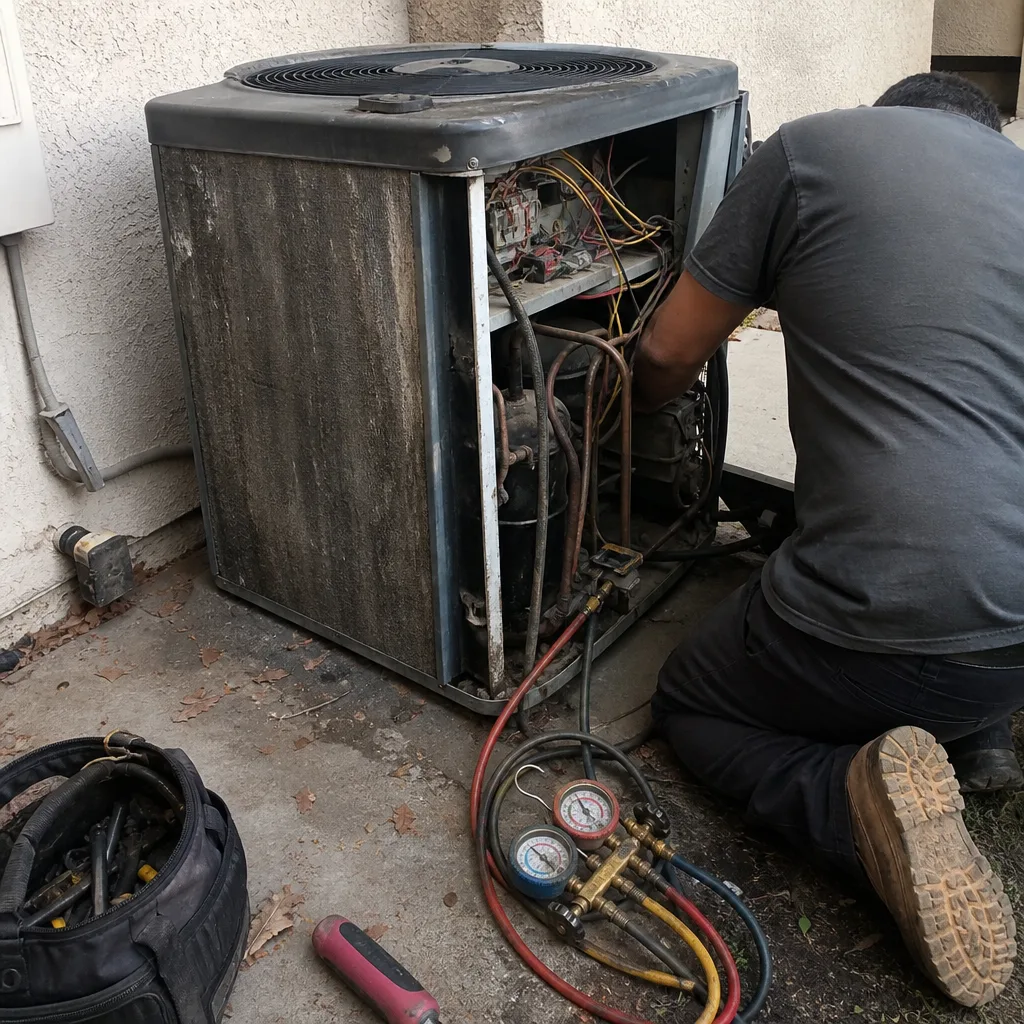 Before
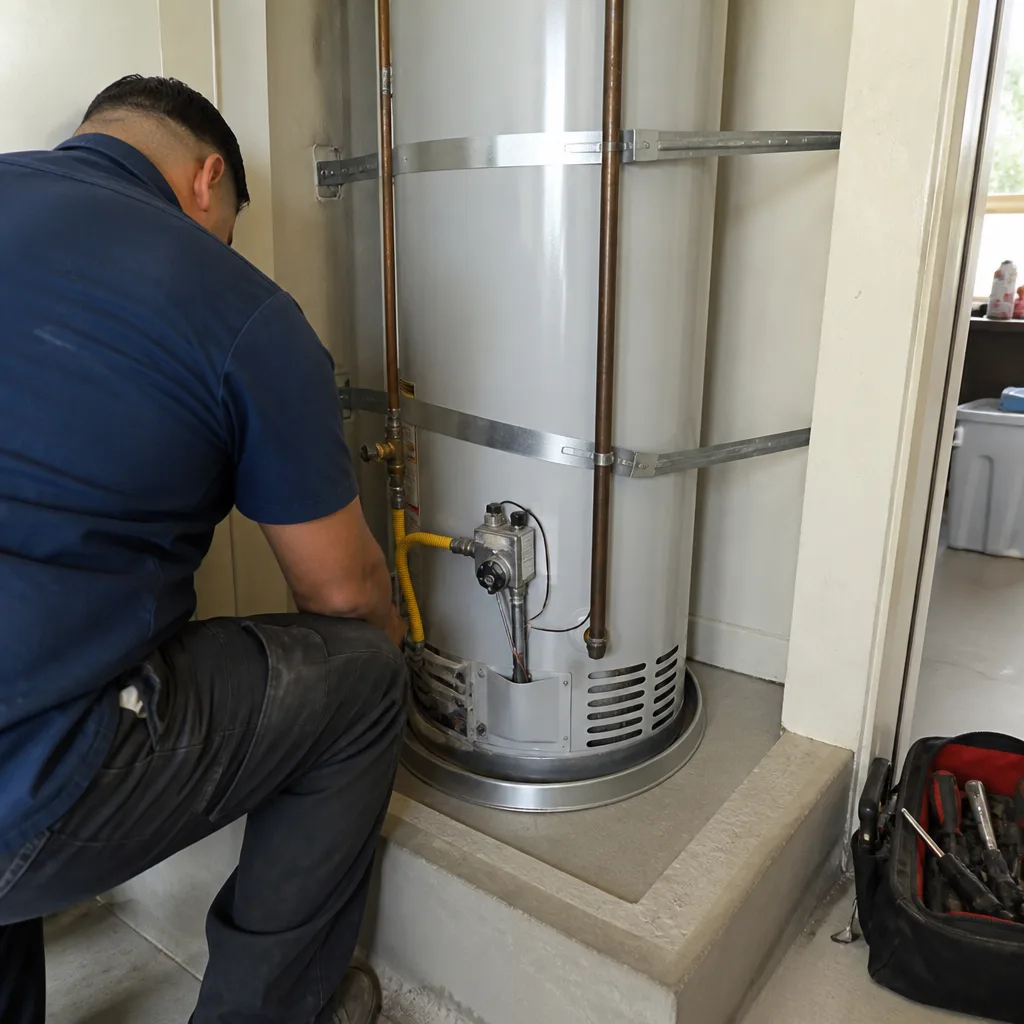 After
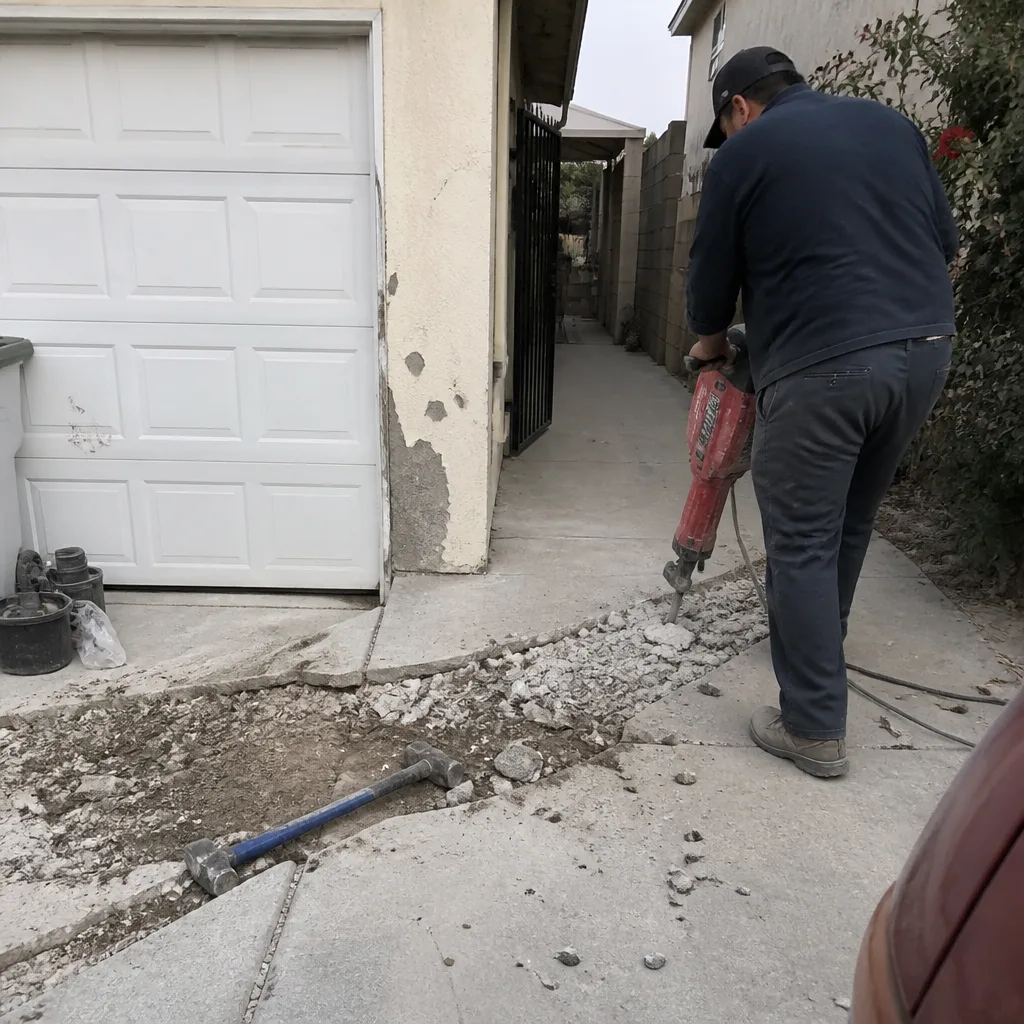 Before
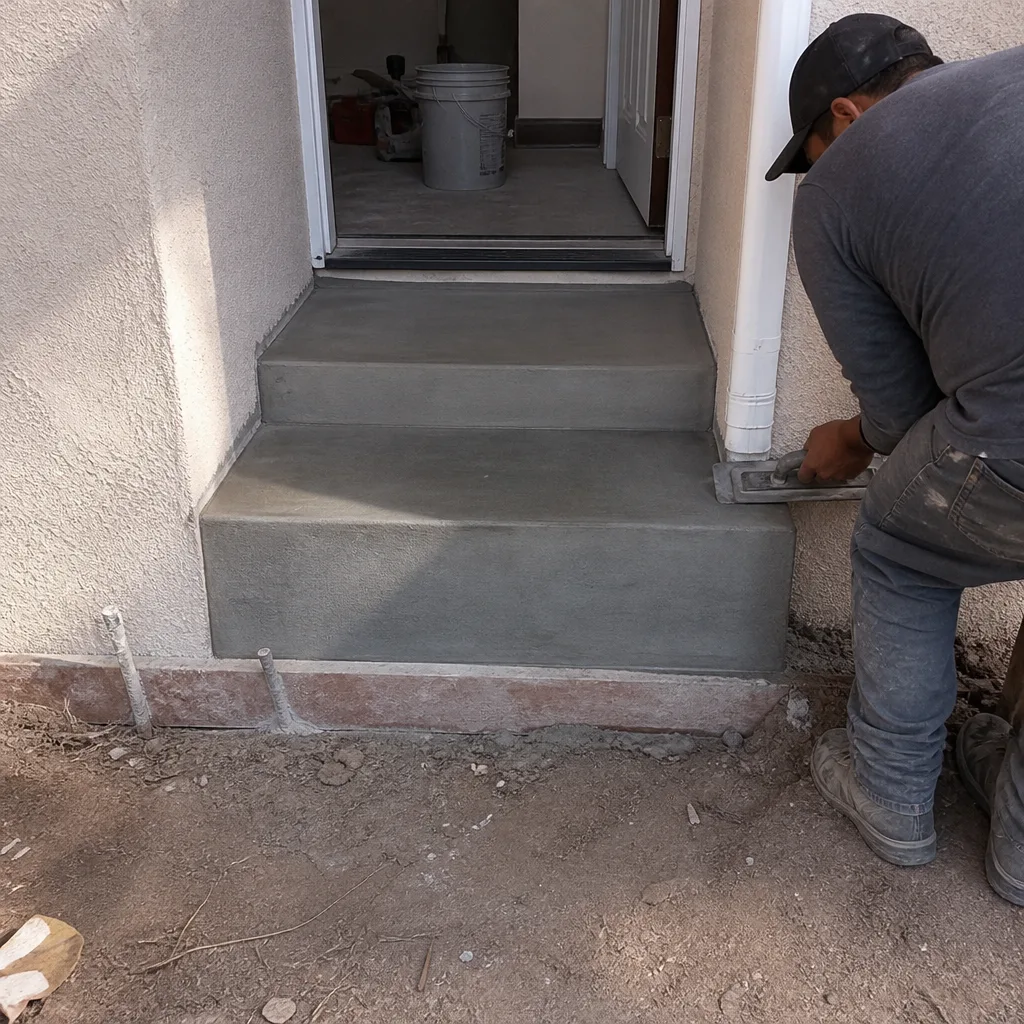 After
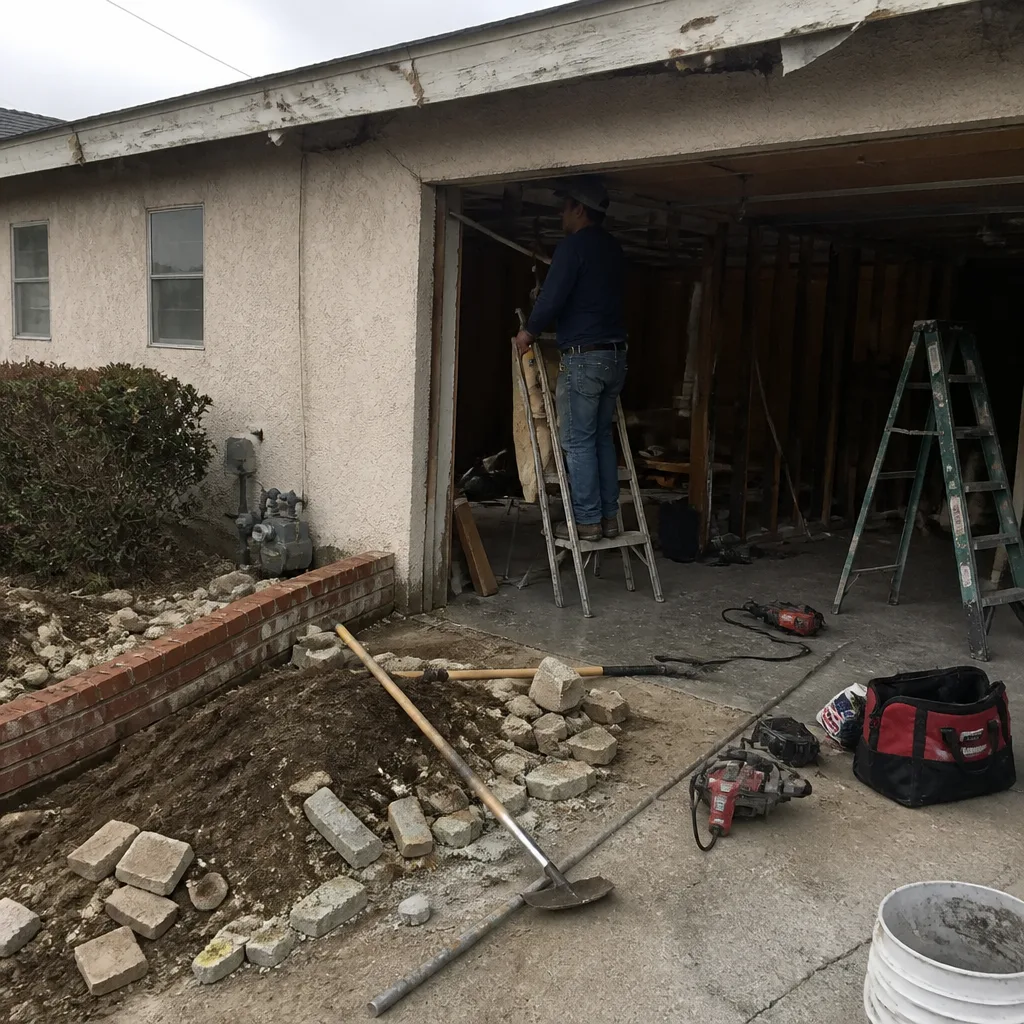 Before
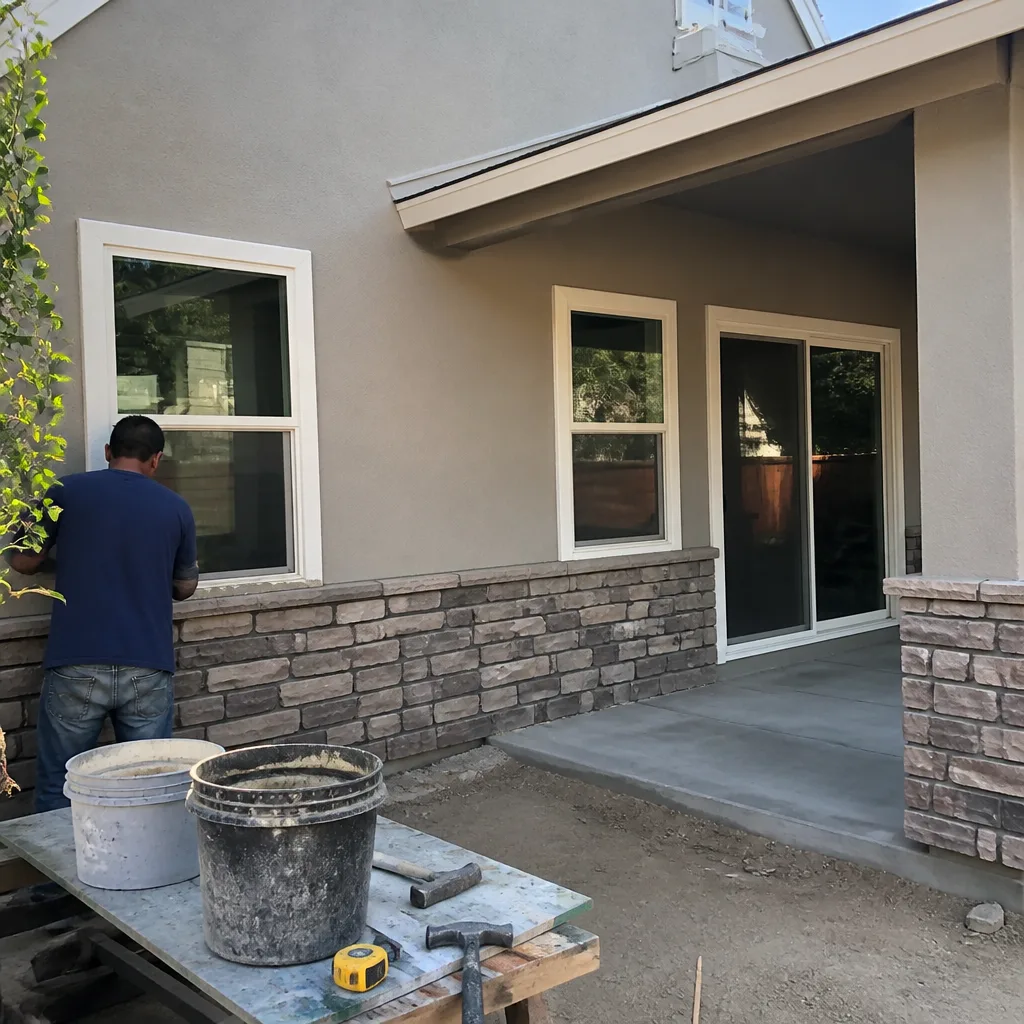 After