Last updated October 31, 2026
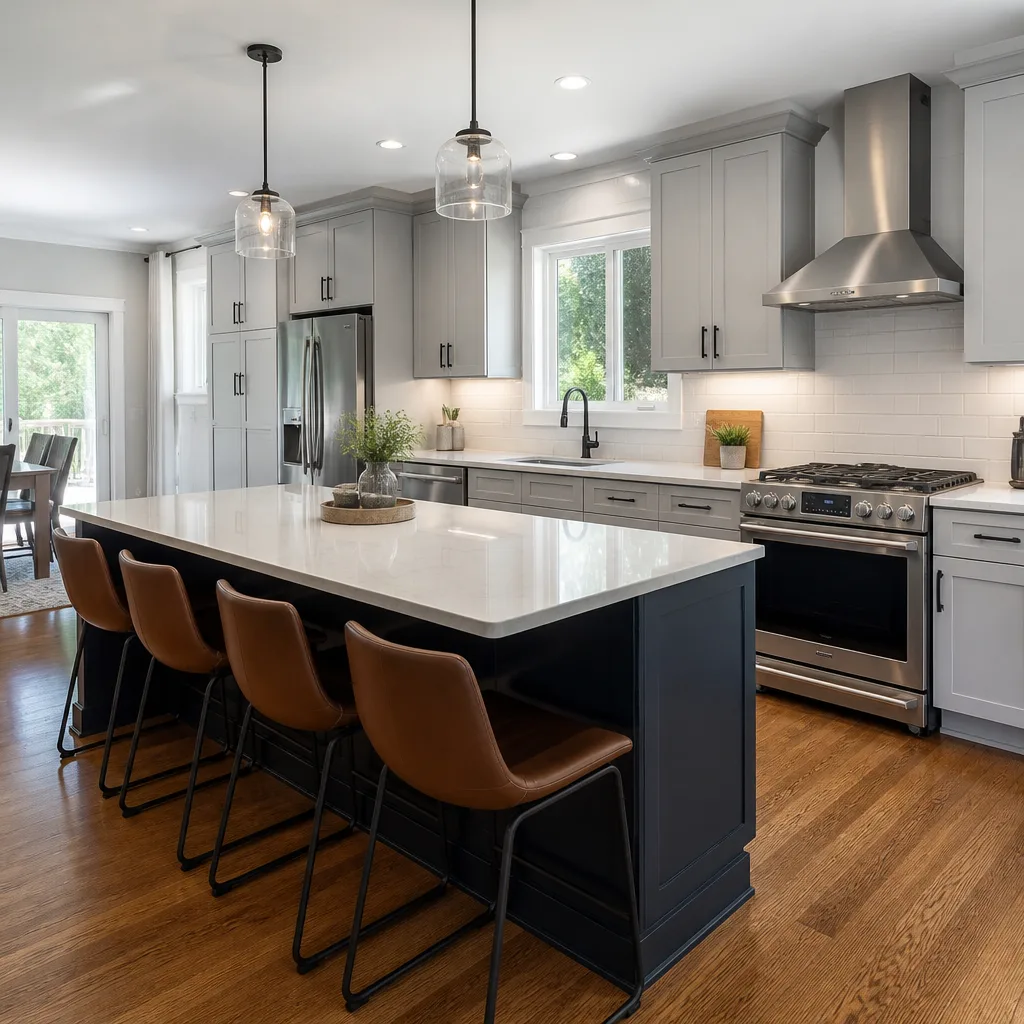 Kitchen remodeling
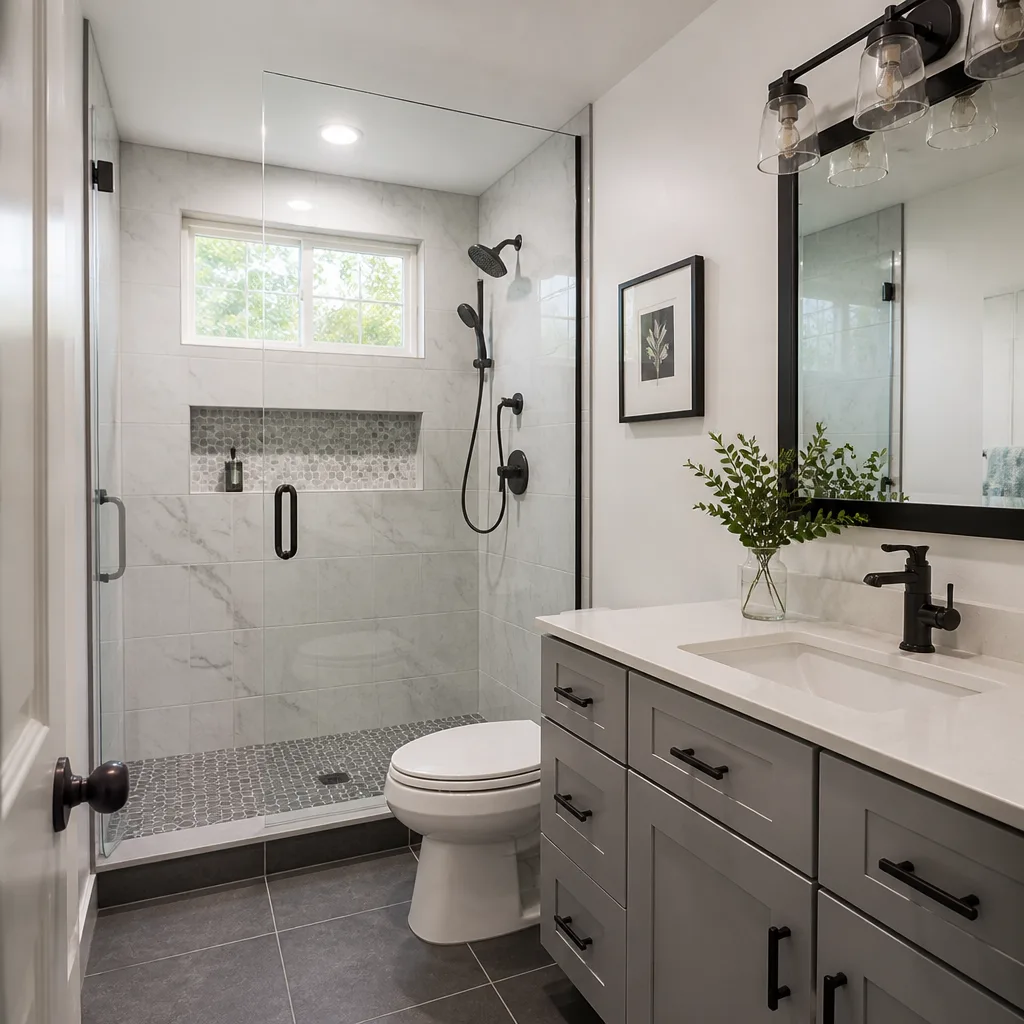 Bathroom remodeling
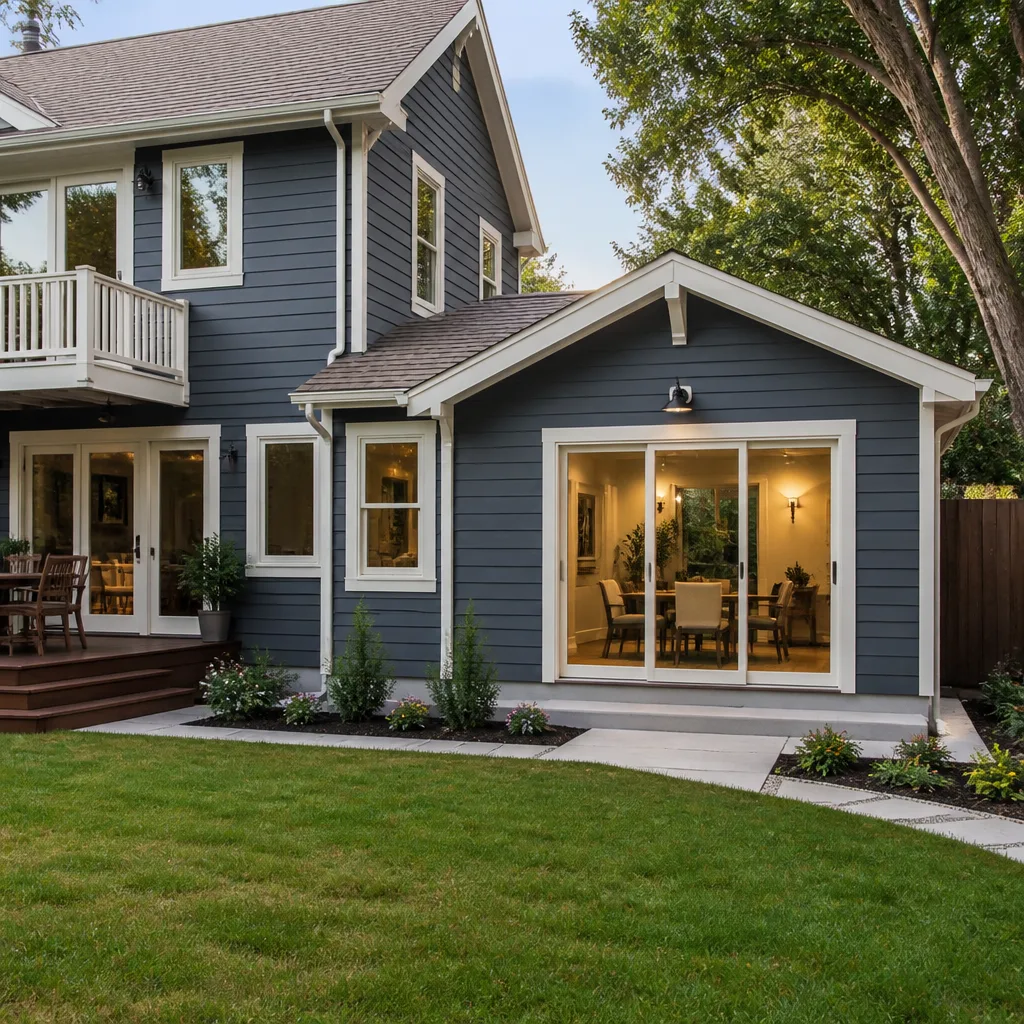 Home additions & ADU
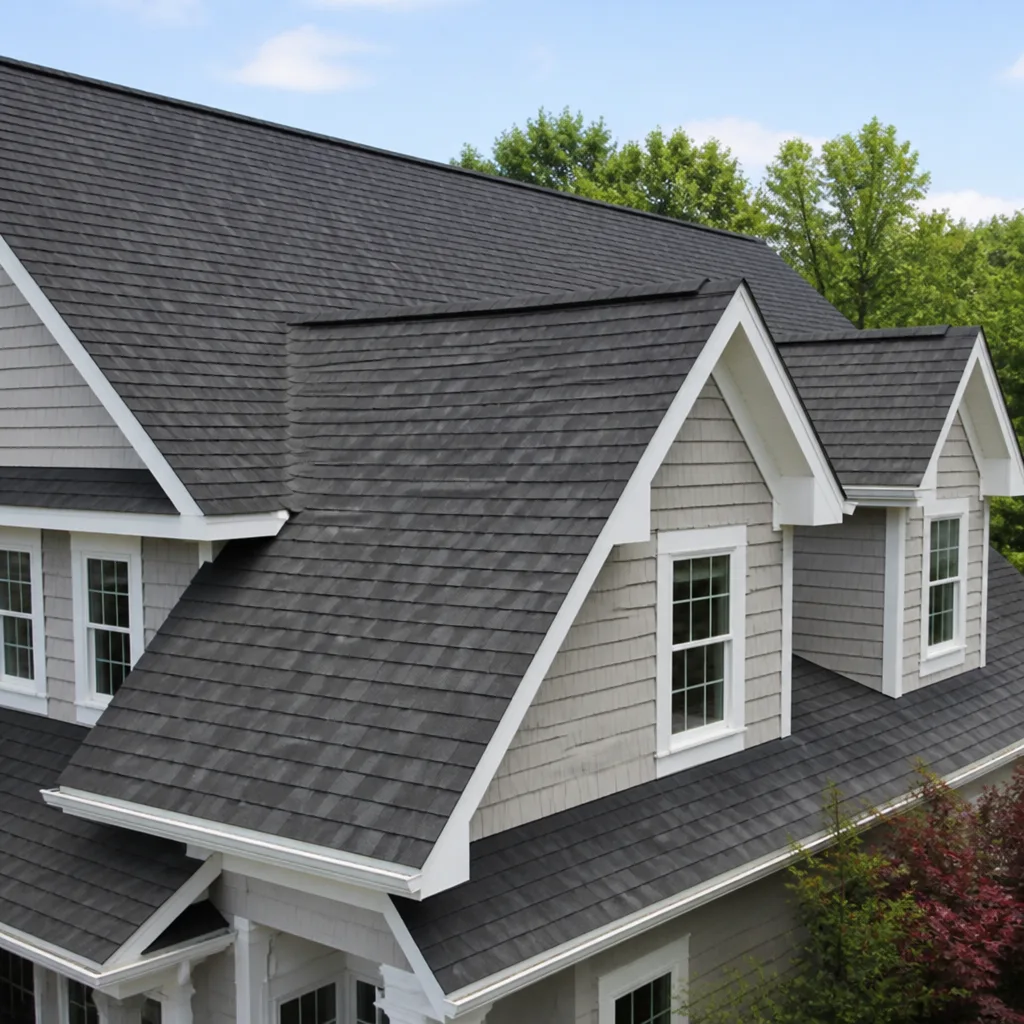 Roofing
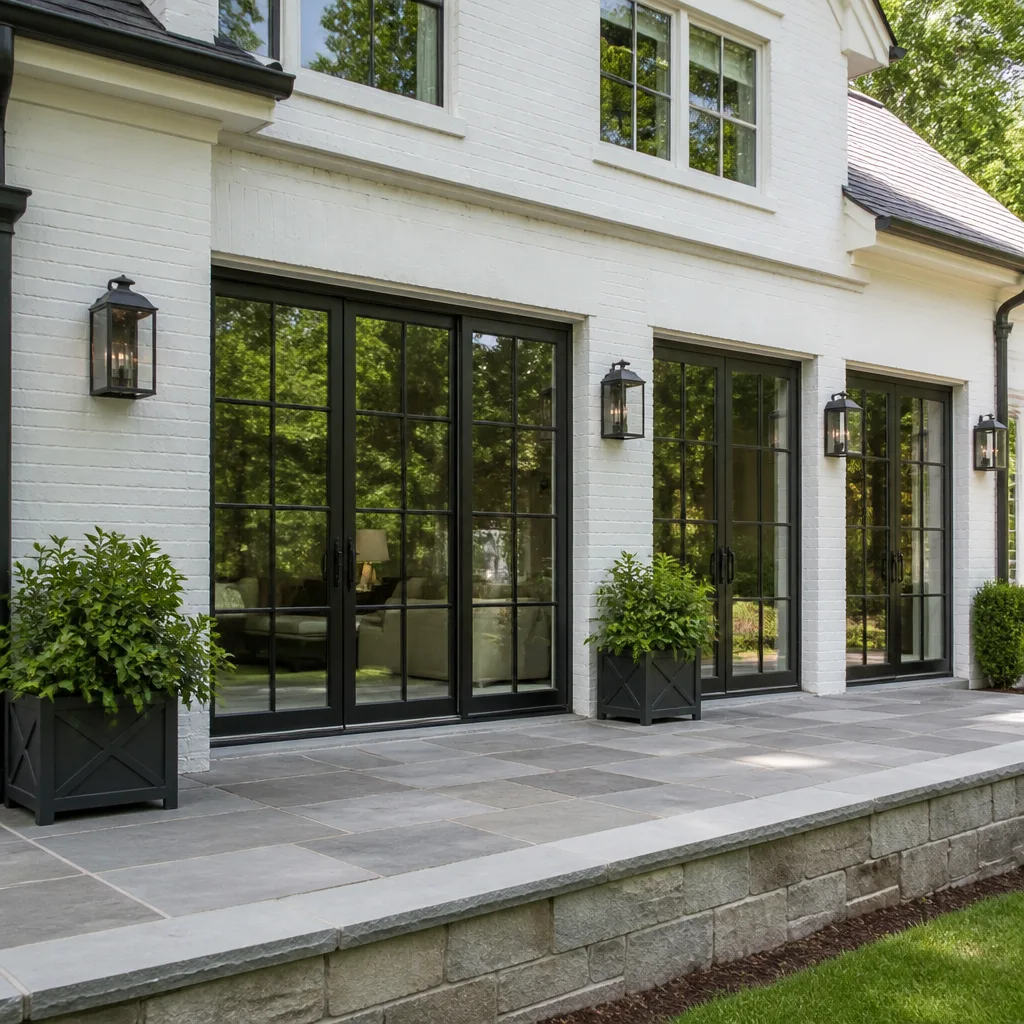 Windows & doors
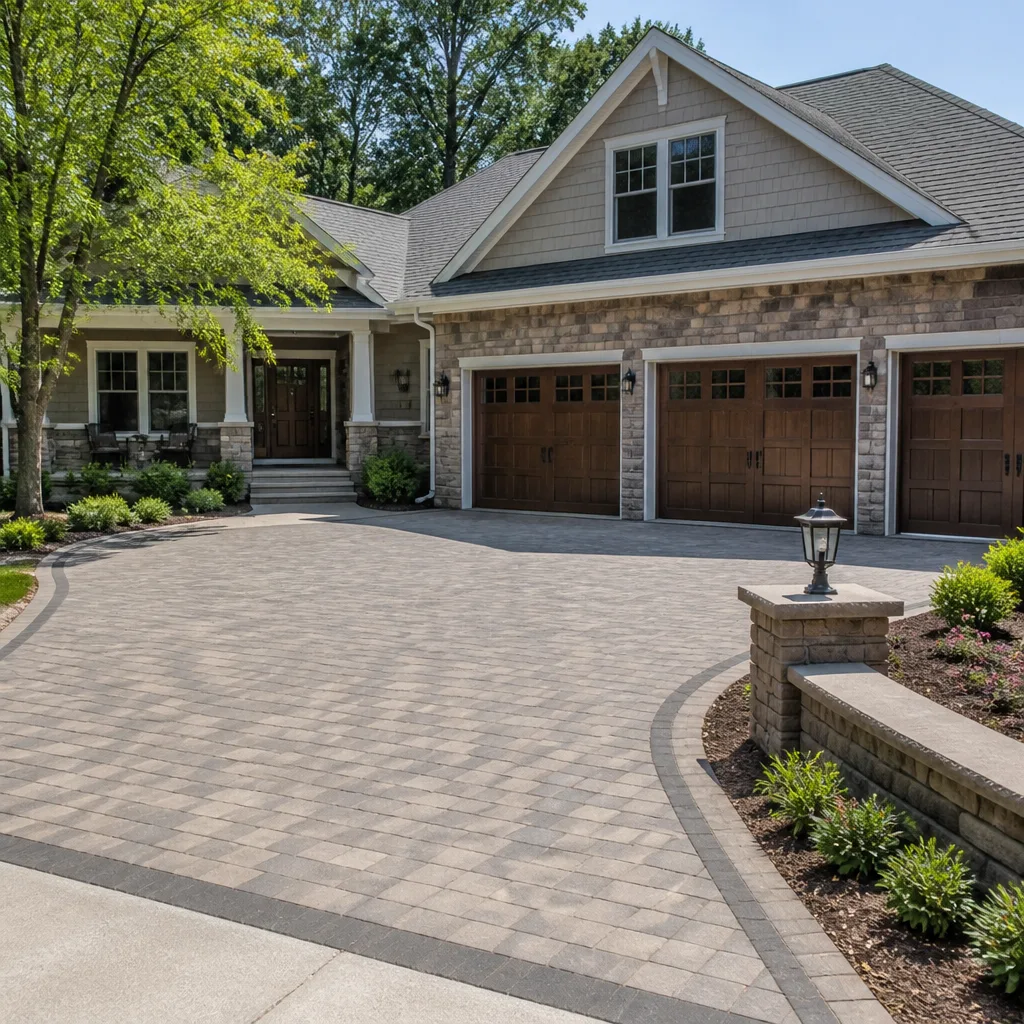 Driveway & pavers
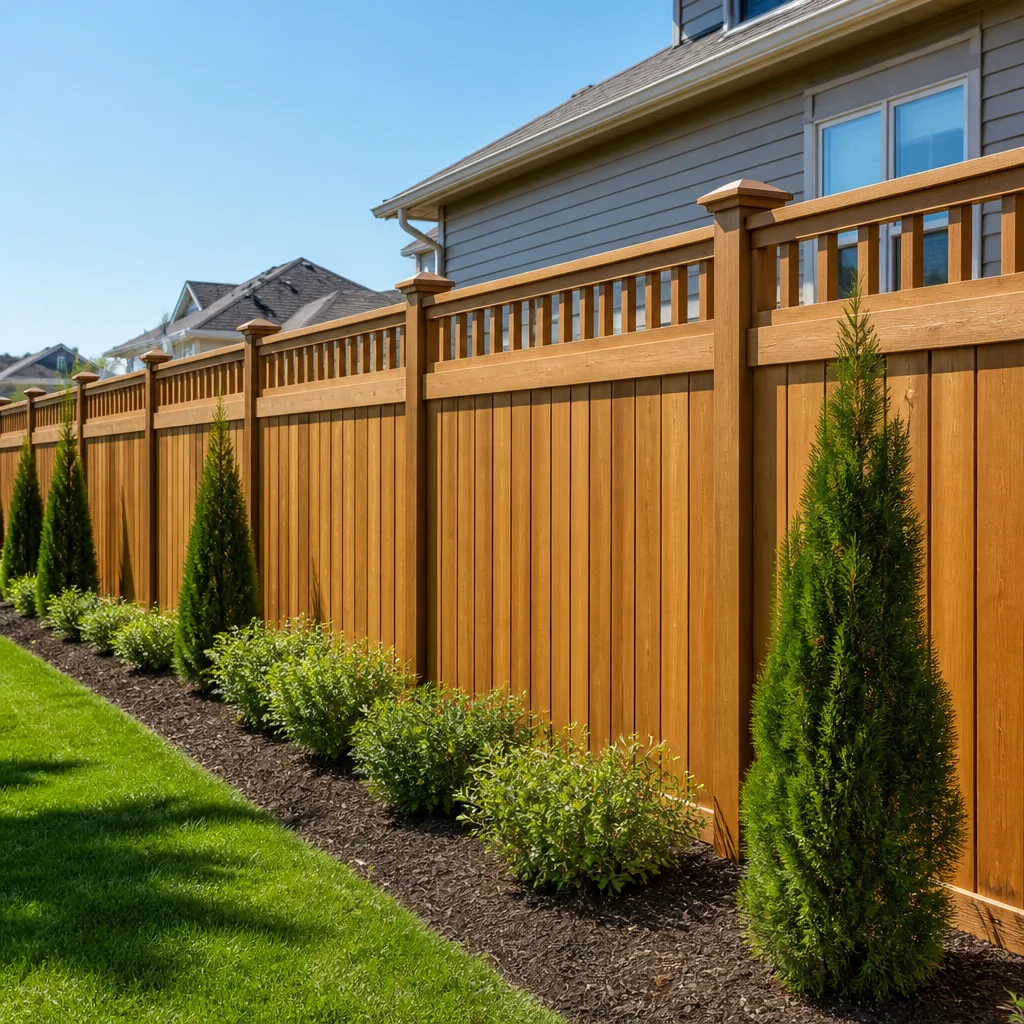 Fence
Free written scope consultation - allowances, timeline, and change-order rules on paper before a single trade is scheduled
Choosing the Right Construction Brand: A Buyer’s Guide for San Bernardino
A roofing shingle that earns top marks in Seattle’s drizzle fails measurably faster under San Bernardino’s three-digit summers and relentless UV. The difference comes down to the product line, not just the manufacturer name on the wrapper. Most contractor bids list a brand, but few specify the exact series or grade, and that’s where five-year failures begin. This guide will teach you how to evaluate construction material brands by the performance specifications that matter on a San Bernardino home, so you can buy with the same knowledge a building scientist would use. For a broader look at planning your project, see our The Complete Guide to Construction in San Bernardino.
Styles & brands we work with
Quick Answer
The best construction material brands for San Bernardino homes are those rated for high solar reflectance, UV stability, and thermal cycling, not simply the names you recognize from national advertising. For roofing, look for SRI values above 25 and Class 4 impact ratings. For windows, demand a SHGC under 0.25 and a U-factor under 0.30. For exterior paint, verify a minimum 10-year warranty that does not exclude high-heat climates. Working with a contractor who has established partnerships with 50+ vetted material brands, as Toolbox Contractors does, gives you access to specification-grade products and accountability when something fails.
Table of Contents
- Why Brand Names Matter More in San Bernardino Than Coastal California
- How to Read a Product Spec Sheet for Climate Compatibility
- Roofing Brands: What Separates a 12-Year Shingle From a 30-Year Shingle
- Window Brands: The Glass Package Is the Product, Not the Frame
- Exterior Paint and Coatings: Warranty Fine Print That Excludes Inland Empire Heat
- Insulation and Decking: Mid-Tier vs. Commercial-Grade in a Dry Climate
- Why Contractor-Preferred Brands Sometimes Reflect Supply Chains, Not Performance
- How Material Brand Partnerships Protect You as a Homeowner
- Common Mistakes to Avoid
- When to Call a Professional
- Frequently Asked Questions
- The Bottom Line
Why Brand Names Matter More in San Bernardino Than Coastal California
San Bernardino sits at the edge of the Inland Empire, where summer temperatures routinely cross 100 degrees, UV index readings hover in the very high range from May through September, and Santa Ana winds can gust past 50 miles per hour through the Cajon Pass. A product that survives in Redondo Beach, where temperatures swing between 55 and 75 degrees, faces an entirely different test on a home in the Verdemont foothills or the flatlands near Hospitality Lane.
Thermal cycling is the quiet killer. When a roofing material expands in the day’s heat and contracts at night, the repeated stress separates layers, cracks adhesives, and loosens fasteners. Manufacturers design specific product lines for these conditions. The marketing name on the package is often identical, but the compound formulation differs. For example, a standard architectural shingle from a top-tier brand might carry a 110 mph wind rating, while the same brand’s high-performance line carries a 130 mph rating and a modified asphalt formulation that resists drying and cracking in sustained heat.
Local context matters in another way, too. San Bernardino’s building department enforces California’s Title 24 energy code, which sets minimum standards for roof reflectance and window solar heat gain. Not every homeowner knows that a cool roof is the law for new construction and major re-roofs in climate zones like ours. A contractor who spec’d a non-compliant shingle could leave you with a home that fails resale inspection or costs more to cool. The brand conversation starts with code compliance and then narrows to performance above the minimum.
This is the first place a full-scope General Contractor in San Bernardino earns their fee. They read spec sheets because they have to, not because it’s interesting. They know which product lines from GAF, CertainTeed, and Owens Corning meet California code and which lines are built for humid coastal climates but sold everywhere because the brand name moves boxes.
How to Read a Product Spec Sheet for Climate Compatibility
Every building product sold in the U.S. ships with a technical data sheet, often called a TDS or product data sheet. It is usually a PDF buried on the manufacturer’s website. The numbers on that sheet are the closest thing to an honest description of what you’re buying. Here is a step-by-step method for reading one like a building professional.
- Start with the testing standards. Look for ASTM, UL, or ANSI test method numbers. If a manufacturer does not list the standard, the claim is unverified. For roofing, ASTM D3462 covers asphalt shingles. For windows, NFRC 100 and NFRC 200 cover U-factor and solar heat gain.
- Find the solar reflectance index (SRI) for roofing. SRI measures how well a surface reflects solar heat. A standard dark shingle might score an SRI of 5. A cool roof shingle with reflective granules can score 30 to 50. In San Bernardino’s climate zones, higher SRI directly cuts cooling bills. Ask for the SRI number, not just the color name.
- Check impact resistance ratings for anything exposed to hail or wind-driven debris. UL 2218 Class 4 is the top rating for roofing materials. A Class 4 shingle can withstand a simulated 2-inch hailstone. In the Inland Empire, hailstorms are less common than in the Midwest, but wind-driven gravel from the surrounding foothills can chip unprotected surfaces.
- For windows, memorize two numbers: U-factor and SHGC. U-factor measures insulation value. In a hot climate, you want a U-factor under 0.30. SHGC, or solar heat gain coefficient, measures how much solar radiation passes through the glass. You want SHGC under 0.25. A window with a SHGC of 0.40 will turn your living room into a greenhouse by 2 p.m. in August.
- For stucco coatings, check moisture vapor transmission (MVT) rate. San Bernardino has dry air, but winter rains still happen. A coating with a very low MVT can trap moisture behind stucco, leading to efflorescence and cracking. Look for coatings engineered to breathe while still shedding water.
- Scan the fine print for climate-specific exclusions. Manufacturers write warranties to limit their exposure. A paint warranty might exclude “sustained temperatures above 100 degrees” or “continuous UV exposure.” That is exactly what a San Bernardino home experiences. If the exclusion is there, the product is not rated for this market.
We have walked homeowners through spec sheets during Home Remodeling in San Bernardino projects more times than we can count. The pattern is always the same: once you see the numbers, the decision becomes easier. A mid-tier product with a 0.28 U-factor and a 0.22 SHGC beats a premium-name window with worse performance numbers every time.
Roofing Brands: What Separates a 12-Year Shingle From a 30-Year Shingle
Roofing is the category where brand and product line confusion costs homeowners the most money. GAF, CertainTeed, and Owens Corning all manufacture entry-level three-tab shingles, mid-tier architectural shingles, and premium designer or performance shingles. The brand name tells you the manufacturer’s reputation and warranty infrastructure. The product line tells you what you’re actually installing.
A standard architectural shingle from any major brand will typically carry a 110 mph wind warranty and a 25- to 30-year limited material warranty. The limitation matters. Most warranties are prorated, meaning the manufacturer reimburses less each year after the first decade. A 30-year warranty does not mean a 30-year shingle. It means a material defect in year 5 might get you 60% of the material cost, not labor, not tear-off, not disposal.
Step up to a performance line and the numbers jump. GAF’s Timberline Ultra HDZ carries a Class 4 impact rating and a 130 mph wind rating. CertainTeed’s Landmark Pro includes StreakFighter algae resistance, which matters less in dry San Bernardino than in humid climates, but the core asphalt formulation is modified for better heat resistance. Owens Corning’s Duration Flex includes polymer-modified asphalt that resists cracking in thermal cycling. These are the differences you pay for.
A quick comparison of what matters for a San Bernardino roof:
- Wind rating: 130 mph minimum for homes near the Cajon Pass corridor where Santa Ana winds accelerate.
- Impact rating: Class 4 preferred, even if hail is rare, because wind-driven debris from the foothills is common.
- SRI: 25 or higher if you want a reflective roof that keeps the attic cooler and meets cool roof codes.
- Warranty labor coverage: Some manufacturers offer enhanced warranties that include labor for the first 10 to 25 years if an authorized installer does the work. This is the single most overlooked value in a roofing bid.
We install GAF, CertainTeed, and Owens Corning systems because those manufacturers require installer credentialing to back their enhanced warranties. That credentialing is the difference between a warranty that pays for labor and one that sends you a check for 40% of the material cost and wishes you luck finding a roofer in July.
Window Brands: The Glass Package Is the Product, Not the Frame
Homeowners shopping for windows tend to focus on frame material: vinyl, fiberglass, aluminum, or wood. The frame matters for durability and aesthetics, but in a hot climate like San Bernardino, the glass package is where the performance lives. Two windows with identical frames can differ by 40% in heat gain depending on the low-E coating and gas fill.
A low-E coating is a microscopic metallic layer applied to the glass. Different coatings are tuned for different climates. A low-E coating designed for heating-dominated climates like Minnesota maximizes solar gain in winter. A low-E coating designed for cooling-dominated climates like the Inland Empire blocks more of the infrared spectrum that drives heat gain. You want a high-performance low-E with a low SHGC, not just any window with “low-E glass” on the label.
Gas fill matters too. Argon is the standard. Krypton offers better insulation but costs substantially more and is rarely worth the premium in a moderate climate. In San Bernardino, the better investment is a triple-layer low-E coating or a spectrally selective glass package than a pricier gas fill.
Specific brands worth researching for this market include PGT, CGI, Therma-Tru, ES Windows, ECO Window Systems, and Mr-Glass. PGT and CGI build impact-rated windows originally engineered for Florida hurricane zones, which translates to excellent wind and debris resistance in wind-prone parts of San Bernardino. Therma-Tru is known for door systems as much as windows. ES Windows and ECO Window Systems offer aluminum and thermally broken options that hold up in dry heat without the warping concerns that affect vinyl in extreme sun exposure. Mr-Glass is a smaller, regional player compared to national brands, but regional manufacturers sometimes offer better value because their products are tested in the exact climate where they are sold.
What to check on any window spec sheet for a San Bernardino home:
- SHGC under 0.25. Non-negotiable for west-facing windows. Anything above 0.30 will overheat rooms by late afternoon.
- U-factor under 0.30. This keeps heat out in summer and is less critical in winter but still contributes to energy costs.
- Air leakage rating. Look for 0.3 cubic feet per minute per square foot or lower. Drafty windows undo every other efficiency gain.
- Frame thermal break. Aluminum frames without a thermal break conduct heat directly into your home. Thermally broken aluminum costs more and performs dramatically better.
During a window replacement as part of a full Home Renovation in San Bernardino, the right glass package will pay for itself in lower cooling bills within five to seven years in this climate. The wrong glass package will make you turn the thermostat down another five degrees and wonder why the AC runs nonstop from June through September.
Exterior Paint and Coatings: Warranty Fine Print That Excludes Inland Empire Heat
Exterior paint fails in San Bernardino more from UV degradation than from moisture. The sun bakes the south and west sides of homes all day, every day, from May through October. Pigments fade, binders break down, and film thickness erodes. The same paint that performs fine on a shaded coastal home can chalk and flake within five years here.
Manufacturer warranties are where the rubber meets the road, and the fine print often disqualifies exactly the conditions a San Bernardino home endures. A typical 15-year exterior paint warranty may include language excluding “sustained exposure to temperatures above 100 degrees” or “direct sun on south-facing walls.” If your home faces south or west in the foothills, those exclusions apply to you.
What to look for when comparing paint brands:
- Acrylic latex formulations. 100% acrylic resins hold up better under UV than vinyl-acrylic blends. This is a chemistry difference, not marketing.
- Colorfast technology claims tied to specific pigments. Organic pigments fade faster than inorganic pigments. Deep reds, blues, and yellows are the fastest to chalk. Manufacturers like Sherwin-Williams and Benjamin Moore publish fade resistance data for specific color families.
- Surface temperature ratings. Some premium exterior paints are rated for application and service on surfaces that reach 150 degrees or higher. In San Bernardino, a dark-colored south wall can hit that by noon in July.
- Warranty transferability. If you sell the home in five years, some warranties transfer to the new owner and some do not. This affects resale value.
Preparation matters as much as the paint itself. The best paint on the market will fail within two years if applied over chalked, unsound previous coating without proper scraping and priming. A full-scope contractor who coordinates exterior paint as part of a siding or stucco repair project, rather than treating it as an isolated service, gets the surface prep right because they control the substrate.
Insulation and Decking: Mid-Tier vs. Commercial-Grade in a Dry Climate
Insulation is the least glamorous and most misused material category in residential construction. The R-value printed on the bag assumes optimal installation conditions. In a real San Bernardino attic, with can lights, plumbing vents, and access hatches, the effective R-value is often 30% to 50% lower than the labeled number.
Fiberglass batts are the default for budget jobs. They cost the least and perform adequately when installed perfectly, which almost never happens. Blown-in cellulose and blown-in fiberglass perform better in attics because they fill gaps and settle around obstructions. Spray foam, either open-cell or closed-cell, performs best in walls and roofs, but costs two to three times more per square foot.
For San Bernardino specifically, the goal is heat resistance in summer. Attic insulation of R-38 to R-49 is recommended for our climate zone. A well-insulated attic can reduce cooling costs by 15% to 25% compared to a minimally insulated attic. The material choice matters less than the installation quality, but blown-in products tend to deliver closer to their labeled R-value because they conform to the cavity.
Decking is a different animal. Composite decking from brands like Trex and TimberTech comes in multiple grades. The entry-level lines use a capped composite formulation that resists fading for a few years, while the premium lines use upgraded capstock with better UV stabilizers and stain resistance. In San Bernardino’s direct sun, entry-level composite decking fades noticeably within two to three years. The premium lines cost 20% to 30% more and hold their color far longer.
Pressure-treated wood decking is the budget option. Southern yellow pine treated to ground-contact or above-ground standards works fine structurally but requires annual cleaning and sealing in this climate. Untreated, it will check, crack, and gray within one summer. If the budget allows, a capped composite deck pays for itself in reduced maintenance within a decade.
Why Contractor-Preferred Brands Sometimes Reflect Supply Chains, Not Performance
Here is a truth most contractor blogs will not tell you: the brand your contractor recommends is often the brand they get the best pricing on from their local supply house. That is not necessarily a bad thing. Established supply chain relationships mean the contractor installs that product routinely and knows its quirks. But it does mean the recommendation may reflect convenience more than climate-specific performance.
Cross-checking a brand recommendation requires about twenty minutes of research. Here is the process in a few steps:
- Ask for the exact product line and model number. “We use Owens Corning” is not enough. “Duration Flex in a 130 mph configuration” is information you can verify.
- Pull the product’s TDS and warranty document. Look for the climate-specific exclusions discussed in this guide. If the warranty excludes sustained heat or UV, ask why it’s being recommended for your home.
- Check third-party performance data. The Cool Roof Rating Council publishes SRI values. ENERGY STAR lists qualifying window and door products by model number. NFRC publishes independent test results for windows. If a product is not listed, the manufacturer may be hiding something.
- Compare against one competitor at the same price point. If your contractor’s preferred shingle is $120 per square and a competitor’s equivalent is $115 per square with a higher SRI, ask for the performance justification. Sometimes there is one. Often there is not.
Contractors who work with a curated portfolio of 50+ vetted material brands, as we do, have a different incentive structure. The recommendation can come from performance comparison across manufacturers rather than from whatever the supply house has on a pallet in the back. When a homeowner asks us why we prefer GAF Timberline over a cheaper architectural shingle from a regional manufacturer, we can point to the impact rating, the wind rating, and the labor warranty structure. That conversation takes sixty seconds and gives the homeowner the data they need to trust the recommendation.
How Material Brand Partnerships Protect You as a Homeowner
A material brand partnership is more than a contractor logo on a manufacturer’s website. It means the contractor has completed the manufacturer’s training, passed installation standards, and agreed to warranty protocol. When something goes wrong with a product, the accountability chain is clear: the manufacturer addresses the material, the contractor addresses the installation, and the homeowner does not get bounced between them.
This matters most in three scenarios:
- Warranty claims. If a GAF shingle fails within the warranty period, an authorized installer can file a claim through the manufacturer’s certified contractor program. The process moves faster and the manufacturer is less likely to blame installation error.
- Product availability. A contractor with an established account at a regional supply house gets priority access when materials are on backorder. During the supply disruptions of the past few years, this meant the difference between a roof scheduled in April and one postponed to September.
- Commercial pricing. Contractors who buy direct or through established distributor accounts get better pricing than a homeowner walking into a supply yard. That pricing, even with the contractor’s margin, often ends up lower than retail for the same exact product.
- Choosing a brand based on a TV commercial. The manufacturers that advertise most heavily are usually selling entry-level product lines through big-box retail. The premium product lines are sold through contractor channels and rarely appear in ads. Judge the product line, not the brand name on the truck wrap.
- Ignoring the warranty fine print. Every warranty has exclusions. In a high-heat, high-UV climate like San Bernardino, those exclusions are often written specifically to exclude this market. Read the climate clauses before signing anything.
- Assuming a higher price means better performance. Some premium brands charge for aesthetic features and marketing. The spec sheet will tell you if the performance numbers justify the premium. A mid-priced window with a 0.22 SHGC often beats an expensive window with a 0.35 SHGC and prettier trim.
- Accepting a bid that names a brand but not a product line. “CertainTeed roof” on a bid is not a specification. Demand the exact shingle name, the exact window model, the exact paint product line. If a contractor resists, that is a red flag.
- Choosing the cheapest contractor and expecting brand-name materials. A bid that comes in 30% below everyone else almost certainly involves substituting lower-grade product lines, skipping surface prep, or both. Material brands have fixed wholesale costs. Nobody works at a loss.
- Skipping the product data sheet because it reads like a foreign language. You now know the five numbers that matter for a San Bernardino home. Fifteen minutes with a TDS will tell you more than an hour of contractor sales talk.
- Treating every brand partnership claim as equal. Ask what the partnership actually means. Is the contractor a certified installer with warranty authority, or did they just open an account at the supply house? The distinction costs you real money if something fails.
The ADU and prefab category is where brand partnerships are newest and least understood. We work with manufacturers like Abodu, Dvele, Boxabl, Mighty Buildings, and Plant Prefab because those companies have quality control consistent enough to permit and install in California. A homeowner trying to buy a prefab ADU direct from a manufacturer without a contractor partner faces a permitting and site work nightmare. The partnership means the manufacturer’s product arrives on schedule and the contractor handles site prep, utilities, and local code compliance. For San Bernardino homeowners adding a backyard unit, this is the difference between a six-month project and an eighteen-month headache.
Common Mistakes to Avoid
When to Call a Professional
You can evaluate material brands on paper, but spec sheets do not account for your home’s specific exposure, your existing substrate condition, or local code nuances. If your project involves a roof, windows, stucco, insulation, or an ADU, you need a contractor who can match the right product line to the specific conditions of your property. A west-facing wall with no shade needs a different paint than a north-facing wall under a mature tree. A roof on a hilltop near the Cajon Pass needs a different wind rating than a roof in a sheltered downtown neighborhood. These are judgment calls built on local experience.
Toolbox Contractors offers free estimates in San Bernardino. If you are planning a project and want material specifications explained in plain English, call (855) 382-3257. We will walk the project with you, point out what matters for your specific home, and give you a written line-item quote with exact product lines named. No pressure, just straight answers.
Frequently Asked Questions
The best roofing brand for a San Bernardino home is whichever manufacturer offers a performance product line with a Class 4 impact rating, a wind rating of 130 mph or higher, and a solar reflectance index of 25 or higher. In our work as a full-scope General Contractor in San Bernardino, we install GAF, CertainTeed, and Owens Corning systems because these manufacturers require installer credentialing and offer enhanced warranties that include labor. The product line matters more than the brand name. Call (855) 382-3257 for a free estimate with exact product specifications.
A brand-name architectural shingle roof in San Bernardino typically runs $14,000 to $22,000 for an average single-story home, depending on square footage, tear-off, decking condition, and the specific product line chosen. Premium performance shingles add $2,000 to $4,000 over standard architectural lines. The material difference is real and measurable in heat resistance and wind performance. Call (855) 382-3257 for a written quote with exact product line pricing for your home.
Yes, when the glass package is specified for a cooling-dominated climate. A window with a SHGC of 0.22 and a U-factor of 0.25 will reduce heat gain by 30% to 40% compared to a standard dual-pane window with clear glass. Over a decade of San Bernardino summers, that difference typically recovers the upgrade cost within five to seven years. The savings come from glass coatings and gas fills, not from the frame brand. Ask for NFRC ratings before comparing window prices.
A fixed-price quote with named product lines protects you from price changes. If the contractor locks the scope and the material specifications, the price should not change unless you change the project. Be wary of quotes that name a brand but not a product line, and be wary of allowances that let the contractor substitute whatever is available at the supply house. Get everything in writing before work starts.
Yes, permitted work is standard on our projects. San Bernardino’s building department reviews reroofs, window replacements, and structural changes for compliance with California Building Code and Title 24 energy requirements. A reputable contractor pulls permits before work starts and schedules inspections after. Unpermitted work can create problems when you sell the home and may void manufacturer warranties.
A factory warranty covers the material itself, usually prorated after the first decade and excluding labor. A contractor workmanship warranty covers the installation, and the best contractors offer written workmanship coverage measured in years, not vague promises. When both the material and the installation are covered by named parties, you have a clear accountability chain if something fails. Ask for both warranties in writing before signing a contract.
The Bottom Line
Construction material brands are not marketing. They represent engineering decisions made by people who know that a San Bernardino home faces heat, UV, wind, and thermal cycling unlike anything a coastal home experiences. The right brand paired with the right product line for this climate will perform for decades. The wrong product line from a familiar brand will fail in five years. Read the spec sheets, verify the warranty exclusions, ask for exact product lines in every bid, and choose a contractor who can explain the difference between a mid-tier and a performance product in sixty seconds. That contractor exists. We are them, and our phone number is (855) 382-3257.
Written by the team at Toolbox Contractors, serving San Bernardino since 2013.
See the difference
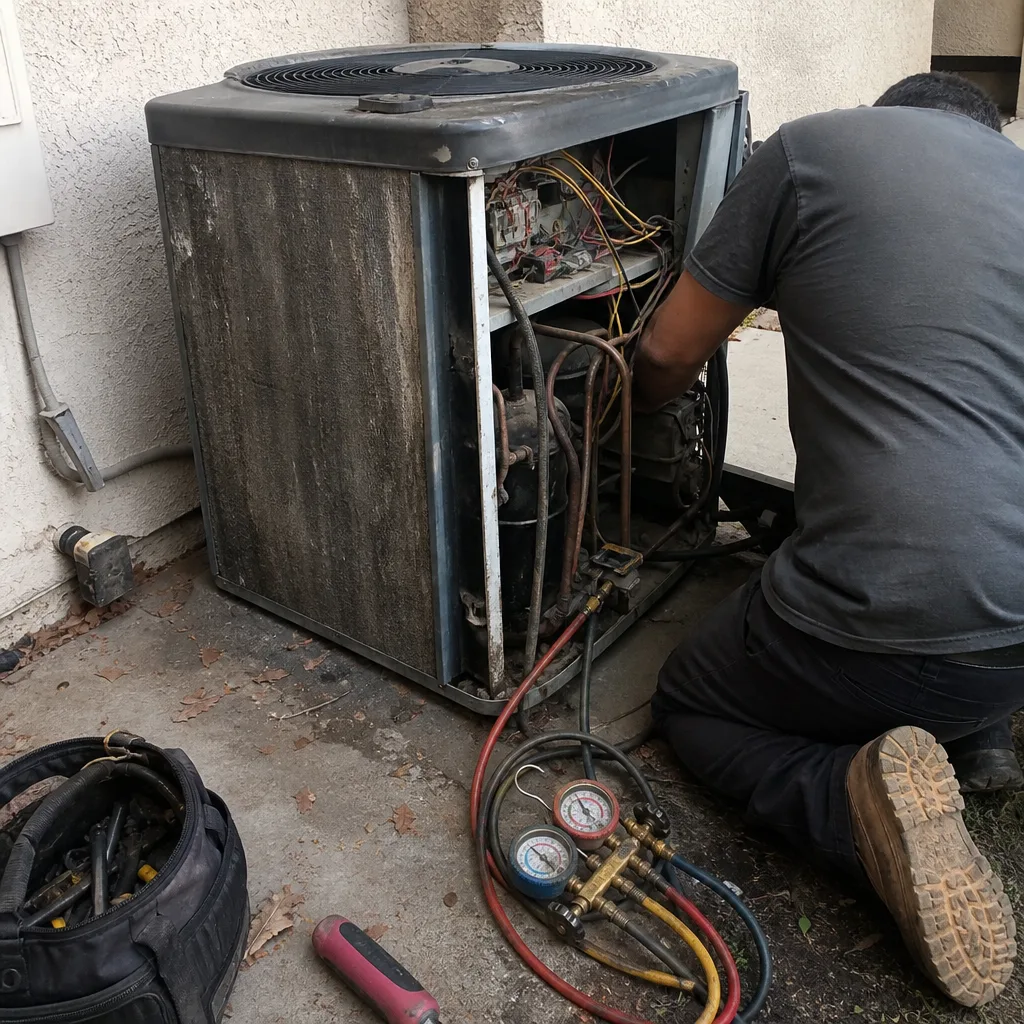 Before
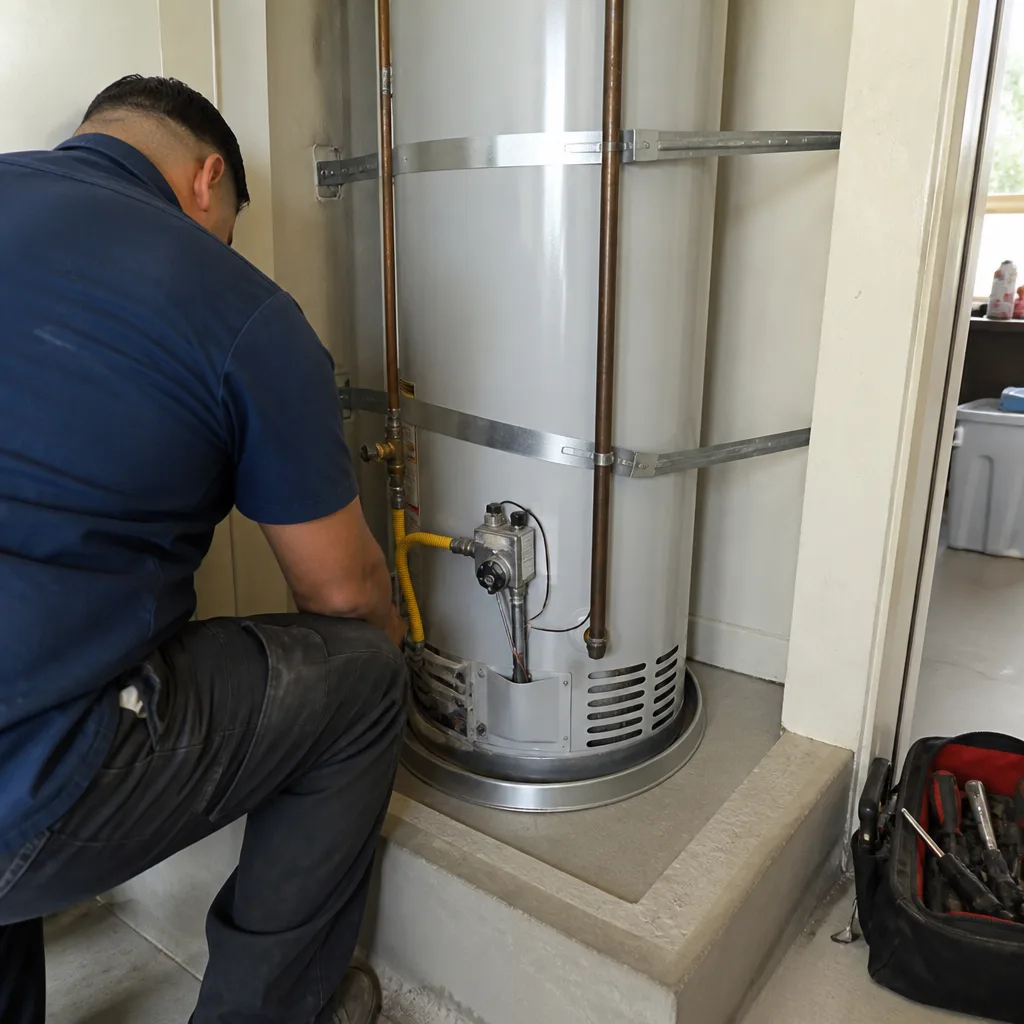 After
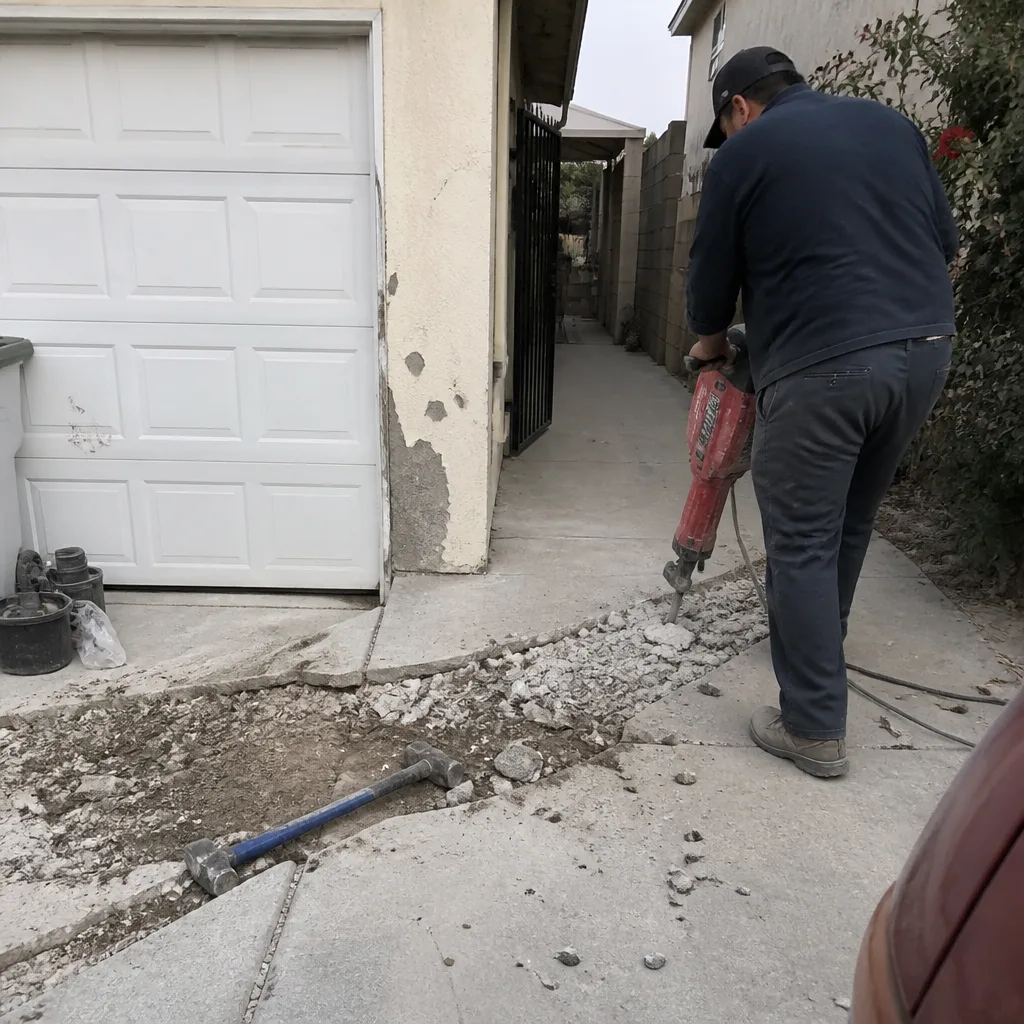 Before
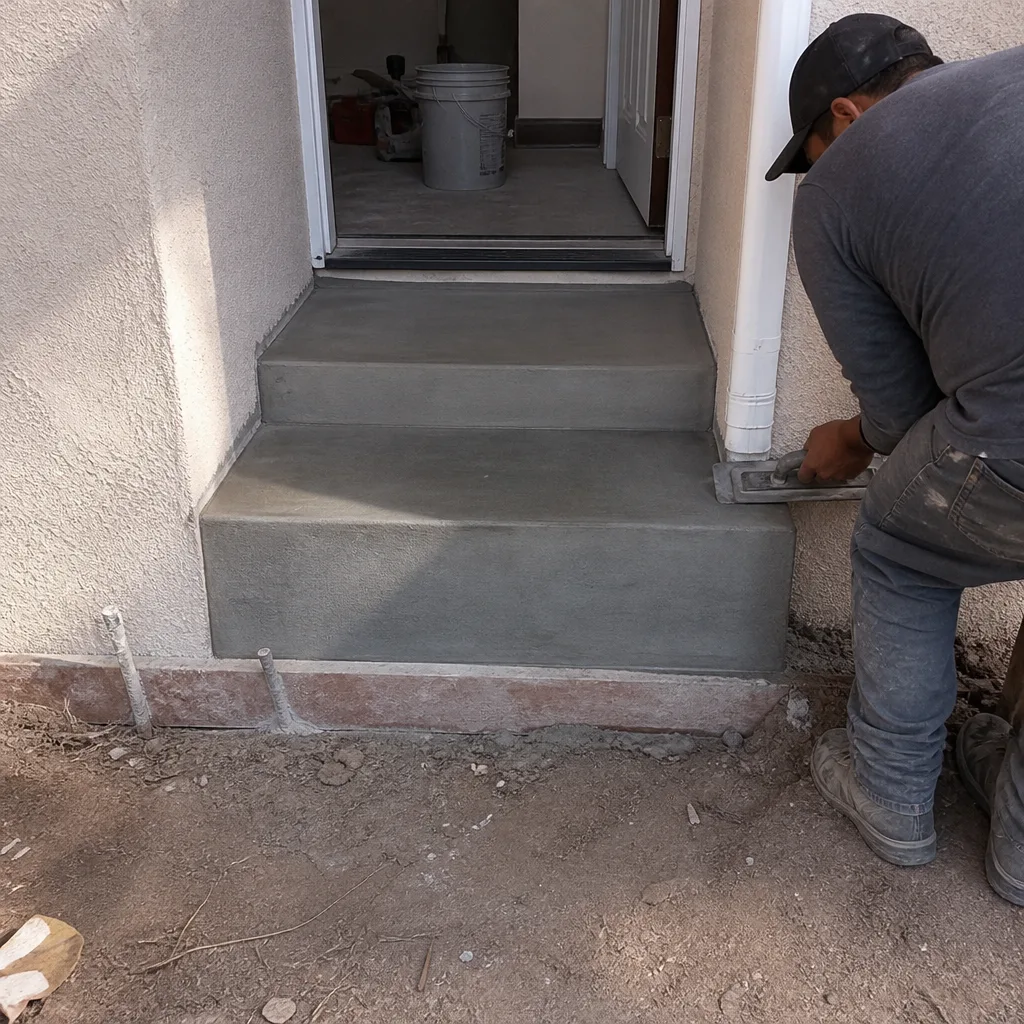 After
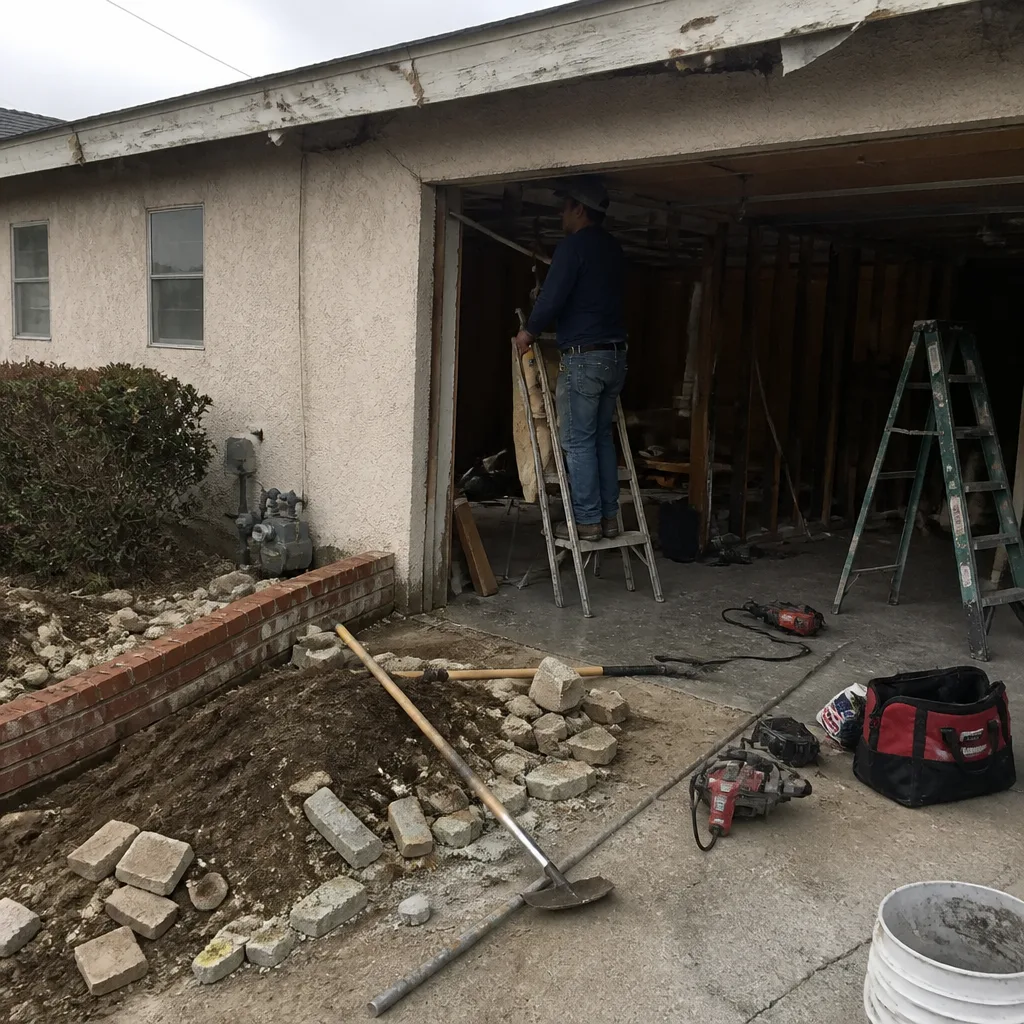 Before
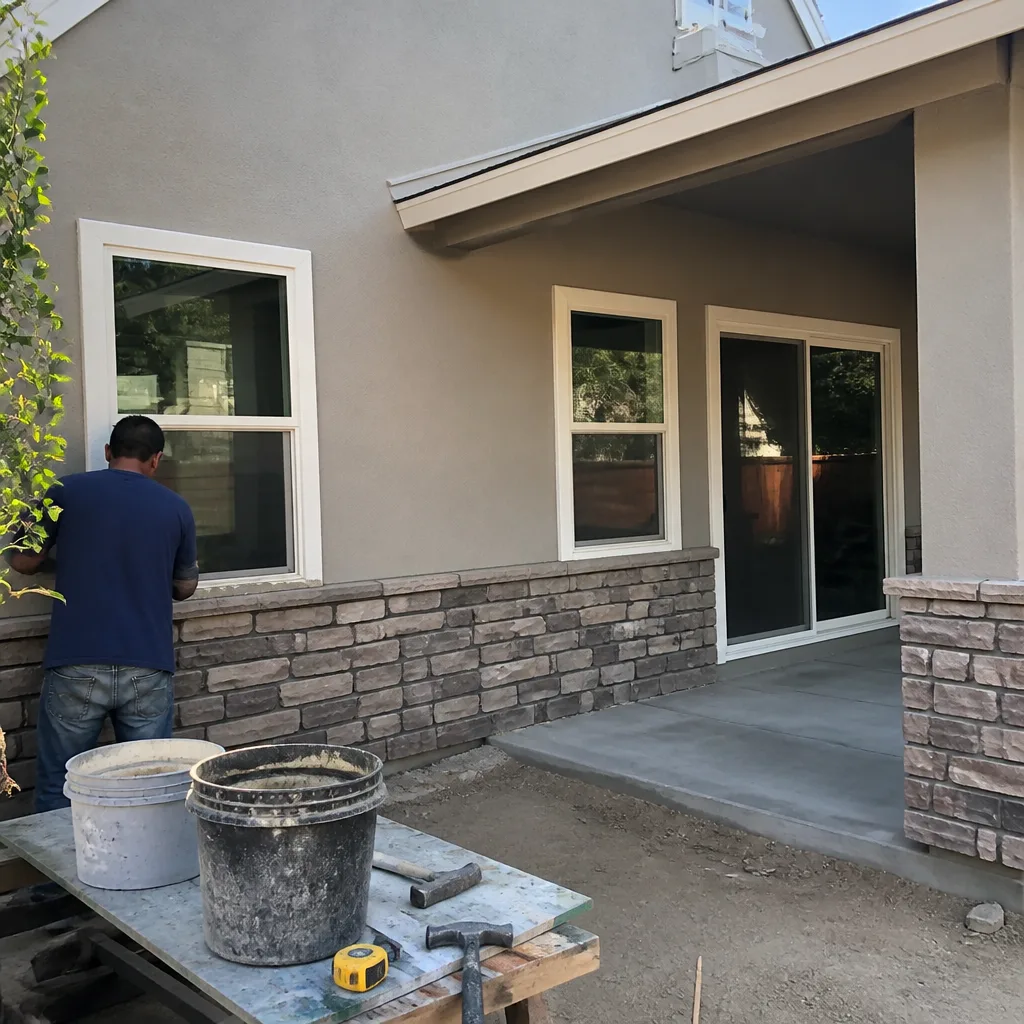 After