
Last updated October 31, 2026
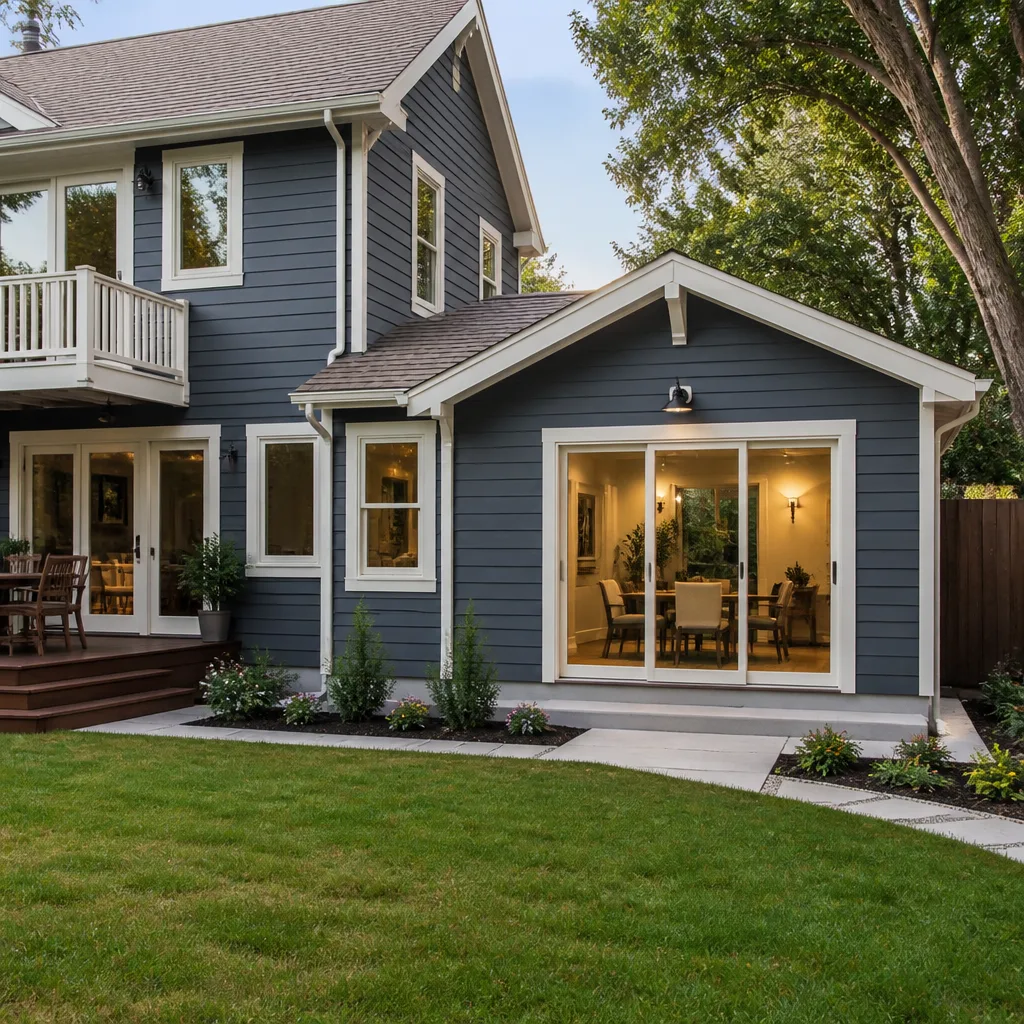 Home additions & ADU
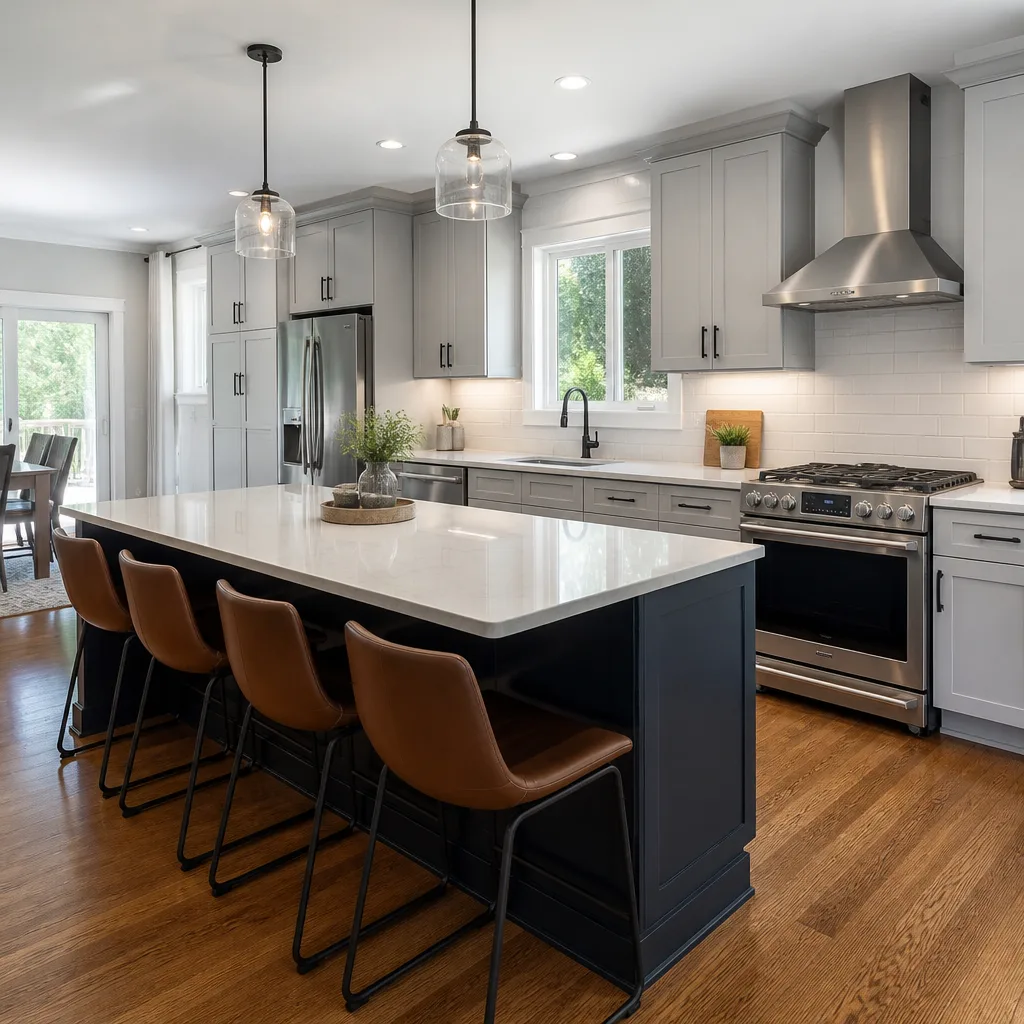 Kitchen remodeling
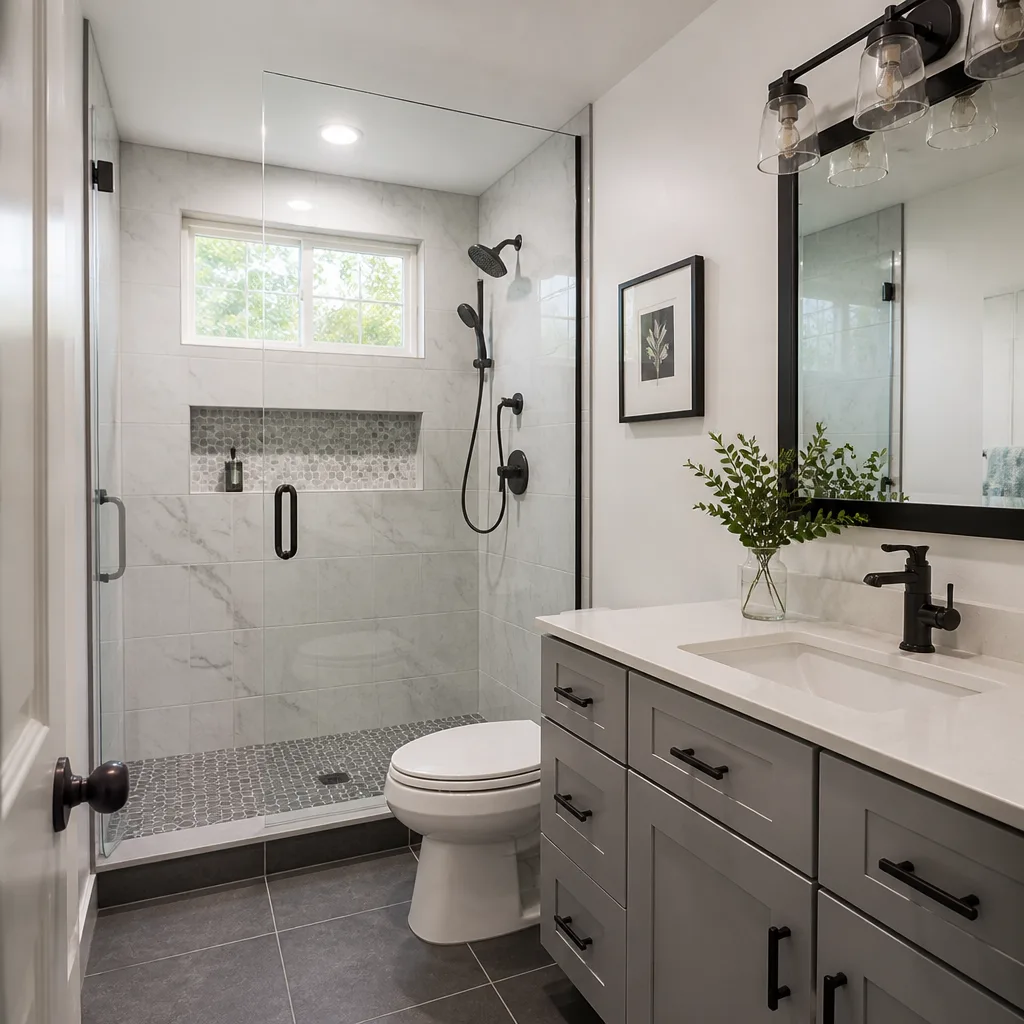 Bathroom remodeling
 Roofing
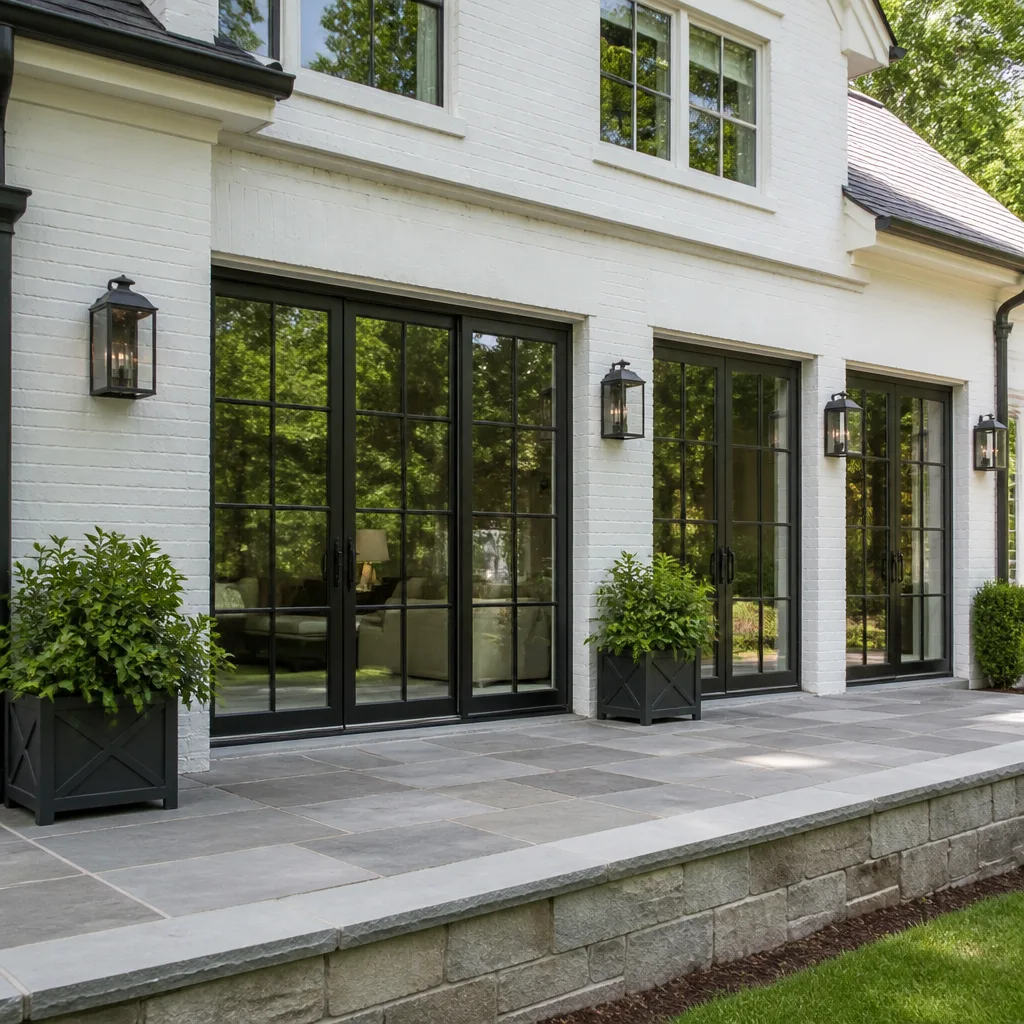 Windows & doors
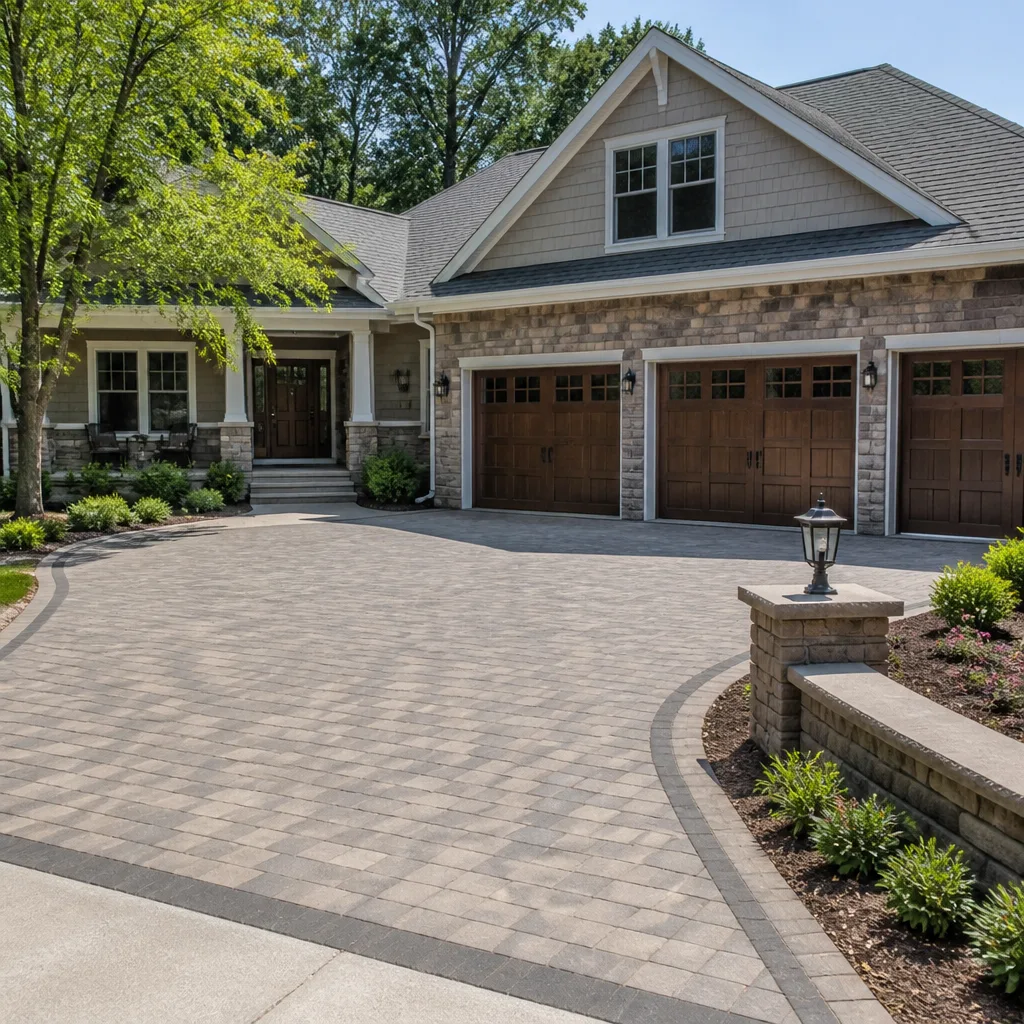 Driveway & pavers
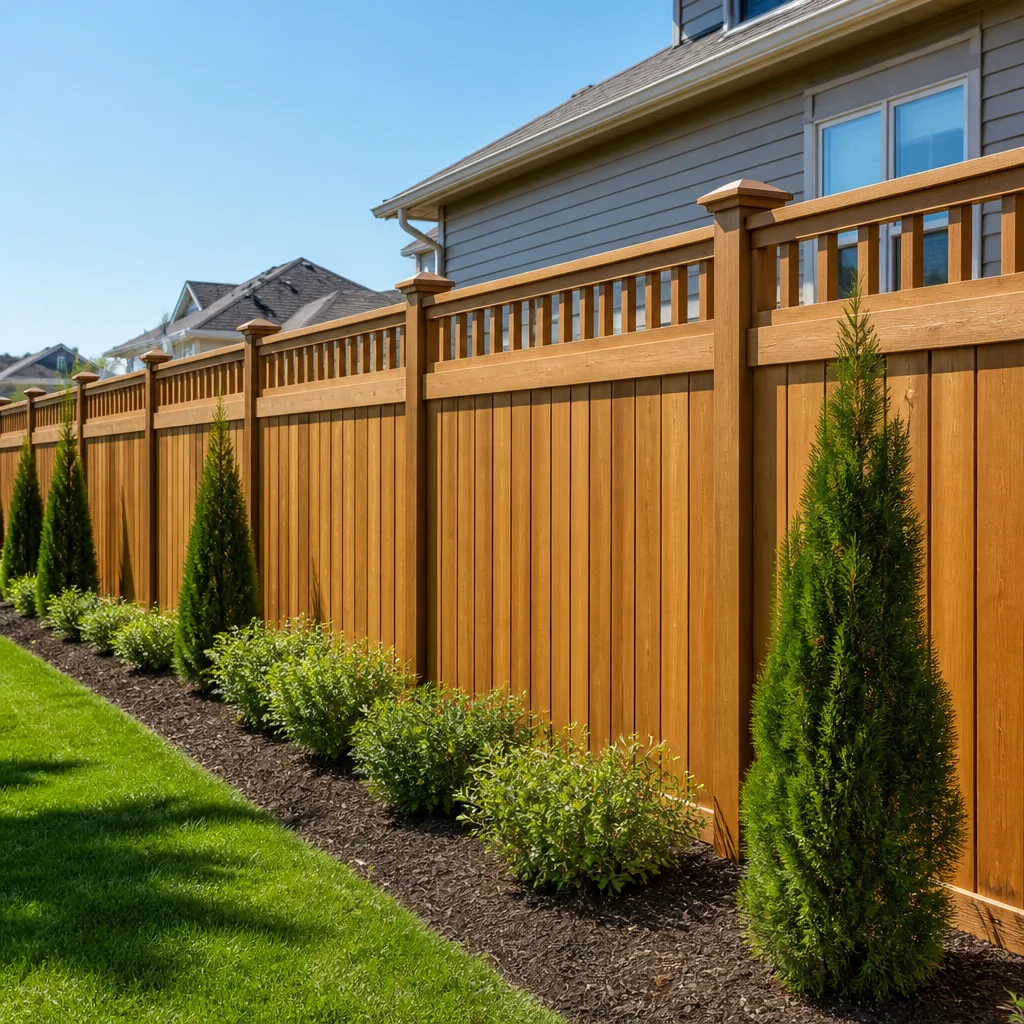 Fence
Free written scope consultation - allowances, timeline, and change-order rules on paper before a single trade is scheduled
The Complete General Contractor Guide for San Bernardino Homeowners
San Bernardino County’s building permit backlog has run as long as 8 to 12 weeks for major remodels, a timeline most out-of-area GC guides never mention, leaving homeowners blindsided before a single nail is driven. If you bought a 1960s ranch in Verdemont or a hillside split-level north of the 210, you’re not remodeling in a vacuum. You’re working inside a specific regulatory and housing-stock reality that rewards local knowledge and punishes generic advice. This guide covers what you actually need to know before hiring a general contractor in San Bernardino, from CSLB license verification to HOA pre-approval in neighborhoods like Shandin Hills, with the specific detail that keeps a project from stalling. For The Complete Guide to Construction in San Bernardino, see our full resource.
Quick Answer
Hiring a General Contractor in San Bernardino means finding a state-licensed professional who understands San Bernardino County Building & Safety timelines, Inland Empire permit quirks, and the specific challenges of 1950s to 1980s housing stock. The right GC handles your entire project scope under one contract, coordinates HOA approvals where required, and manages the plan check process so you’re not stuck waiting through the county’s well-documented backlog. Expect to verify a CSLB license, demand a detailed written contract, and factor 8 to 12 weeks of permitting into your timeline before work begins.
Styles & brands we work with
Table of Contents
- What a General Contractor Actually Does in San Bernardino
- How San Bernardino County Permitting Works (and Why It’s Different)
- Why Full-Scope GCs Matter More Here Than in Newer Developments
- How to Verify a CSLB License and Read Classifications
- HOA Pre-Approval in Arrowhead Farms and Shandin Hills
- What a Legitimate San Bernardino GC Contract Must Include
- Material Sourcing and the Brand-Name Advantage
- Common Mistakes to Avoid
- When to Call a Professional
- Frequently Asked Questions
- The Bottom Line
What a General Contractor Actually Does in San Bernardino
A general contractor is the single licensed professional who manages your entire construction project, from pulling permits to scheduling subcontractors to passing final inspection. In San Bernardino, that role carries extra weight because the county’s permitting process is famously slow, and a GC who knows how to navigate it saves you months. The GC is your point of accountability. If the plumber doesn’t show, the GC handles it. If the plan check comes back with corrections, the GC responds. If a material arrives damaged, the GC deals with the supplier. You don’t coordinate five different tradespeople; you make one phone call.
But there’s a meaningful difference between a general contractor who actually manages the full scope and one who just sub-contracts everything out without coordination. In San Bernardino’s older neighborhoods, where a simple kitchen remodel can uncover galvanized pipes or outdated wiring behind the walls, that difference determines whether your project pauses for weeks while you hunt for a specialist or keeps moving because the GC already has the trade relationships in place.
A full-scope GC runs the project end to end. That includes:
- Permit management: Preparing plans, submitting to San Bernardino County Building & Safety, responding to plan check comments, and scheduling inspections.
- Trade coordination: Hiring and scheduling licensed electricians, plumbers, roofers, and HVAC techs in the right sequence so nobody waits on anyone else.
- Material procurement: Ordering cabinets, countertops, roofing, windows, and fixtures so they arrive when the job needs them, not six weeks late.
- Budget and schedule control: Tracking costs against the contract, flagging change orders before they become surprises, and keeping the project moving.
- HOA and local compliance: Coordinating architectural review submissions for communities that require them, and ensuring work meets local code.
Here’s the truth most guides won’t tell you: in San Bernardino, the GC’s ability to manage the county’s permitting timeline is as valuable as the hammer work itself. A contractor who has never submitted plans to San Bernardino County Building & Safety will learn on your dime. A contractor who does it weekly already knows what the plan checker will flag, how to structure the drawings, and when to follow up. That alone can cut your pre-construction wait by weeks.
For the full picture of what a comprehensive Home Remodeling in San Bernardino involves, including scope and timeline expectations, see our dedicated guide.
How San Bernardino County Permitting Works (and Why It’s Different)
San Bernardino County Building & Safety operates under its own specific set of rules, and they differ from neighboring Riverside County in ways that catch homeowners off guard. The most significant difference is the plan check process. In San Bernardino County, major remodels that involve structural changes, additions, or significant electrical or plumbing work require a full plan check submission, which currently runs 8 to 12 weeks before approval. Riverside County, by comparison, has historically moved faster on comparable scopes, in part due to different staffing levels and submission volumes. If you budgeted your remodel timeline based on a Riverside County friend’s experience, you’re already behind.
What triggers a plan check versus over-the-counter approval in San Bernardino County? Here’s the breakdown:
- Over-the-counter permits: Simple replacements that match existing conditions, such as a water heater swap, a re-roof with no structural changes, or a like-for-like window replacement. These typically issue the same day or within a few days.
- Plan check required: Any work that alters the structure, changes the roofline, moves walls, expands square footage, or substantially changes electrical or plumbing systems. This includes kitchen remodels that relocate plumbing, bathroom additions, ADU construction, and any work requiring structural engineering.
- Discretionary review: Some projects in San Bernardino’s hillside zones or historic districts require additional review beyond the standard plan check, sometimes adding 4 to 6 weeks on top of the standard timeline.
Climate adds another San Bernardino-specific layer. The city sits in a hot, dry inland valley, but foothill neighborhoods at higher elevation see real freezes in winter. That affects material choices. A roof specified for a coastal Orange County climate may not hold up to the high-desert temperature swings San Bernardino’s northern neighborhoods experience. Roofing underlayment, exterior paint, and even certain types of siding need to be specified for this specific climate band, not copied from a generic spec sheet. A local GC knows this. An out-of-area contractor might not.
One more thing: San Bernardino County has implemented online permitting portals, but not every project type is fully digital. Some scopes still require in-person submission or physical plan sets. Your GC should know exactly which path your project takes before the clock starts.
Why Full-Scope GCs Matter More Here Than in Newer Developments
San Bernardino’s housing stock skews older. Large swaths of the city were built between the 1950s and 1980s, which means what’s behind the drywall often doesn’t match what was originally permitted. We’ve seen knob-and-tube wiring in homes where the seller swore the electrical had been updated. Galvanized steel plumbing that looks fine from the outside but has corroded to a pinhole’s width internally. Structural framing that was fine in 1965 but doesn’t meet current seismic requirements.
A single-trade contractor can’t address these discoveries mid-project. A kitchen remodeler who finds galvanized pipes has to stop work, call a plumber, and wait. A full-scope GC has the plumber on the team already. That’s the difference between a one-week delay and a one-month standoff. In San Bernardino specifically, where the older stock is concentrated in established neighborhoods like Del Rosa and North Park, the odds of a hidden discovery are higher than in a 2010s tract development in Fontana or Rancho Cucamonga.
This is where the Toolbox Contractors home philosophy of one contract, one point of accountability matters most. The same company that remodels your kitchen can also replace the roof, install new windows, and re-side the exterior. If a hidden issue emerges, the team already in place handles it. You don’t become the general contractor yourself, making calls and coordinating schedules with four different companies.
For a deeper look at how this applies to full-home projects, read our guide to Home Renovation in San Bernardino.
How to Verify a CSLB License and Read Classifications
Before you sign anything, verify your contractor’s license with the California Contractors State License Board at cslb.ca.gov. This takes five minutes and protects you from the most common horror story in San Bernardino remodeling: paying a deposit to an unlicensed operator who disappears. The CSLB database shows whether the license is active, when it expires, whether the contractor carries workers’ compensation insurance, and whether any disciplinary actions or consumer complaints are on record.
But verifying the license number is only the first step. You also need to understand what the license classification means for your project:
- B – General Building Contractor: This is what most homeowners need. A B license allows the contractor to perform or oversee work spanning two or more unrelated trades. This is the classification that lets one company handle framing, drywall, plumbing coordination, electrical coordination, and finish work. For a kitchen remodel or a full home renovation, this is the license you want.
- C-10 – Electrical Contractor: A C-10 is specifically licensed for electrical work. A general contractor without a C-10 cannot perform electrical work; they must subcontract it to a licensed C-10 electrician. This is normal and expected. The question is whether your GC has a reliable C-10 they work with regularly.
- C-36 – Plumbing Contractor: Same principle as C-10. A B-licensed GC subcontracts plumbing to a C-36 plumber. A contractor who insists they can do everything including plumbing and electrical with only a B license is either ignorant of the law or cutting corners.
- C-54 – Ceramic and Mosaic Tile: Not a requirement for every project, but a C-54 holder has demonstrated specific competence in tile work. Most B-licensed GCs subcontract tile to a C-54.
The practical takeaway: your GC should hold an active B license (or be a corporation or LLC with a qualifying B license holder), and they should be transparent about which trades they subcontract and to whom. Ask which specific subcontractors they use for electrical and plumbing, and verify those licenses too. A contractor who hesitates to provide this information is a red flag.
In San Bernardino, you’ll also want to confirm the contractor is properly registered to do business in the city and the county. Some projects require a city business license in addition to CSLB licensure, depending on the work location and scope.
HOA Pre-Approval in Arrowhead Farms and Shandin Hills
If you live in one of San Bernardino’s HOA-governed communities, such as Arrowhead Farms or Shandin Hills, your remodel doesn’t start with the county. It starts with your HOA’s architectural review committee. And here’s what catches homeowners off guard: HOA review timelines run parallel to, not in place of, the county permit process. That means you could be waiting on both simultaneously, and the slower one controls your start date.
A competent GC should be coordinating the HOA submission for you, or at minimum preparing the documentation the HOA requires. Typical HOA submittal requirements include:
- Project description with scope of work, materials, and finish colors
- Site plan showing any changes to the footprint or exterior appearance
- Material samples or color swatches for anything visible from the street
- Contractor’s license and insurance certificates
- Construction schedule with start and end dates and working hours
HOAs in San Bernardino vary widely in responsiveness. Some architectural committees meet monthly, which means a submission that misses the deadline by a day waits until next month. Some require approval before the contractor may even schedule a dumpster on the property. Parking restrictions during construction are common in Shandin Hills, where streets are narrower than in newer subdivisions. Your GC should have dealt with these communities before and know the specific quirks.
One warning: never let a contractor begin work before HOA approval is in writing. We’ve seen projects get stopped mid-demolition because a homeowner took the contractor’s word that approval “would be fine.” It wasn’t. Get it in writing, and keep a copy.
What a Legitimate San Bernardino GC Contract Must Include
California law sets specific requirements for home improvement contracts, and San Bernardino homeowners should treat these as a floor, not a ceiling. A contract missing any of these elements is a warning sign, regardless of how reputable the contractor seems:
- Contractor’s CSLB license number: Printed on the contract. If it’s not there, that’s a CSLB violation.
- Complete scope of work: Written in detail, not a vague bullet list. “Remodel kitchen” is not a scope. “Remove existing cabinets and countertops, rough-in new electrical for island, install 12 KraftMaid cabinets per attached layout, install Caesarstone countertop per selected slab, install Kohler faucet and sink” is a scope.
- Total contract price including a payment schedule that complies with California law. For home improvement contracts, the down payment cannot exceed $1,000 or 10% of the contract price, whichever is less.
- Approximate start and completion dates: Not exact guarantees, but reasonable estimates. A contractor who won’t commit to a timeline in writing is avoiding accountability.
- Change order procedures: How changes are requested, priced, approved, and documented in writing. Verbal change orders are how project costs balloon.
- Notice of the Right to Cancel: A three-day right to cancel is required by law for home improvement contracts. If the contract doesn’t include it, walk away.
Now, the three clauses most San Bernardino homeowners skip that cost them later:
- The permit clause: Specify who pulls permits, who pays for them, and what happens if the plan check requires revisions that change the scope. In San Bernardino County, plan check corrections are common. If your contract doesn’t address how those are priced, you’re funding the county’s backlog out of pocket.
- The hidden conditions clause: What happens when the contractor opens a wall and finds knob-and-tube wiring from 1962? A well-written contract defines how hidden conditions are documented, priced, and approved before work continues. Without this clause, either the contractor stops work indefinitely or you approve changes you never saw in writing.
- The inspection and completion clause: Defines what “done” means. Include language that ties final payment to passing all required inspections and completing the punch list, not just to the contractor’s own definition of finished.
Legitimate general contractors in San Bernardino are comfortable with detailed contracts. A contractor who resists putting things in writing is telling you something important about how they handle disputes.
Material Sourcing and the Brand-Name Advantage
Here’s a distinction that separates serious general contractors from order-takers: the difference between “we can use whatever brands you want” and “we work with these brands and know their specifications, lead times, and installation requirements.”
In San Bernardino’s remodeling market, material sourcing matters because lead times vary enormously between manufacturers. A custom Wellborn cabinet order might run 8 to 10 weeks. Stock lines from the same manufacturer move faster. A contractor who knows the difference can time the order so the cabinets arrive when the demo is done, not six weeks after the kitchen is sitting empty. A contractor who just calls the nearest showroom and hopes for the best creates a scheduling nightmare.
Brand-name materials matter for another reason: warranty backing. Premium roofing systems from GAF, CertainTeed, and Owens Corning carry enhanced warranty terms, but only when installed by a credentialed contractor who can document that the installation followed the manufacturer’s specifications. If your GC can’t prove their installer certification for the roof system they’re proposing, you’re paying for a warranty you’ll never be able to claim. The same applies to window brands like PGT and CGI in San Bernardino’s wind-prone foothill zones, where impact-rated windows need proper installation to perform as rated.
The full-scope material advantage extends across a project. A contractor who works with a vetted portfolio of 50-plus brands, including cabinet makers like KraftMaid and Wellborn, countertop manufacturers like Cambria and Silestone, plumbing fixture brands like Kohler and Grohe, and hardscape partners like Belgard and Techo-Bloc, can spec the entire project from one material source list. That means consistent quality across the job, not a kitchen with premium cabinets and a patio with whatever the landscaper had in the back of the truck.
One more thing worth knowing: San Bernardino’s climate makes material specification specific. The high-summer heat in the valley floor, combined with cold snaps in the foothills, means exterior materials must handle wide temperature swings. A GC who understands James Hardie siding tolerance ranges for this climate zone, or who knows how Belgard pavers perform in San Bernardino’s soil conditions, is working from experience, not a catalog photo.
Common Mistakes to Avoid
- Underestimating San Bernardino County permit timelines: Budget 8 to 12 weeks for plan check on a major remodel. If your contractor promises permits in two weeks, they’re either uninformed or misleading you. Neither is acceptable.
- Prioritizing price over license status: The unlicensed contractor with the low bid is the most expensive contractor you’ll ever hire. Verify every contractor’s CSLB status before comparing any numbers.
- Skipping the HOA pre-approval: In communities like Arrowhead Farms and Shandin Hills, starting work without written HOA approval can stop your project cold and trigger daily fines. HOA boards in these neighborhoods do issue fines.
- Choosing a single-trade contractor for a multi-trade project: A kitchen remodel that impacts electrical, plumbing, and structural framing needs a B-licensed GC. Hiring a cabinet installer to “handle the whole thing” creates a compliance and coordination mess.
- Paying too much upfront: California law caps the down payment at $1,000 or 10%, whichever is less. Any contractor demanding more upfront is asking you to break the law with them.
- Accepting vague scope language: “We’ll do whatever it takes to make it right” is not a scope of work. If it’s not itemized in the contract, it’s not part of the job.
When to Call a Professional
Call a professional general contractor before you buy materials, before you start demo, and before you sign anything with any trade. The moment a project spans more than one trade, or requires a permit, or affects the structure of your home, you need a licensed GC involved from the start. If you’re planning a kitchen gut in the Del Rosa area that requires relocating plumbing, call before the cabinets are ordered. If you’re planning an ADU in North Park, call before the architect draws plans that may not comply with San Bernardino’s specific lot coverage rules. If you’ve already gotten a plan check correction notice from the county and don’t know how to respond, call immediately. Toolbox Contractors offers free estimates in San Bernardino, call (855) 382-3257.
Frequently Asked Questions
General contractor fees in San Bernardino typically run 10% to 20% of the total project cost, depending on the scope and size of the project. For a detailed Construction Cost Breakdown: The San Bernardino Homeowner’s Reference for 2026, see our dedicated guide. For a $50,000 kitchen remodel, that’s a GC fee of $5,000 to $10,000, on top of materials and trade labor. This is commission on coordination, not waste. Call (855) 382-3257 for a free estimate on your specific project scope.
Over-the-counter permits for simple replacements can issue the same day or within a few days, but any project requiring plan check in San Bernardino County should budget 8 to 12 weeks before approval. That’s the current county backlog, and it applies to structural changes, additions, and any work requiring engineering review. Your contractor should factor this into the project timeline before you sign the contract.
For most home remodeling projects, you want a General Building Contractor, which is a B classification from the California Contractors State License Board. The B license allows the contractor to supervise and coordinate work across two or more trades. Electrical and plumbing work is always subcontracted to C-10 and C-36 license holders respectively. Verify the B license at cslb.ca.gov before signing anything.
Yes, if your home is in an HOA-governed community like Arrowhead Farms or Shandin Hills, you need written architectural review approval for exterior changes and sometimes for interior work that affects structure or systems. The HOA process runs parallel to county permitting and can take 30 to 90 days depending on the association’s review schedule. Your GC should prepare and coordinate the HOA submittal for you.
In San Bernardino’s 1950s to 1980s housing stock, the most common hidden issues are knob-and-tube wiring, galvanized steel plumbing with internal corrosion, and framing that doesn’t meet current seismic code. A full-scope general contractor can address these discoveries in-project because the relevant trades are already on the team. A single-trade contractor cannot.
It can if the contract doesn’t define how change orders and hidden conditions are handled. A well-written contract specifies that no work outside the original scope proceeds without a written change order that you approve in advance for a specific price. If your contract is vague, the price can move. Call (855) 382-3257 to discuss how our contracts are structured to keep pricing transparent.
The Bottom Line
Hiring a general contractor in San Bernardino is less about finding someone who can swing a hammer and more about finding someone who can manage a system. For more guides & resources on navigating the remodeling process, explore our blog. The system includes the county’s 8 to 12 week permit backlog, HOA architectural review boards in communities like Shandin Hills, aging housing stock that hides electrical and plumbing surprises, and material lead times that reward contractors with established brand relationships. The right GC is licensed, transparent about subcontractors, specific in the contract, and experienced in this city specifically. One contractor, every phase, from the cabinets to the roof, inside and out, that’s the only way to keep a San Bernardino remodel moving from plan check to final inspection without losing six months you never budgeted for.
Contact Toolbox Contractors
Ready to talk about your project? Toolbox Contractors offers free estimates on full-scope remodeling and renovation work in San Bernardino. Whether you’re planning a kitchen remodel with KraftMaid cabinets and Caesarstone countertops, a roof replacement with GAF or CertainTeed systems, or an ADU through our prefab partnerships with Dvele and Boxabl, one call covers the entire scope. Call (855) 382-3257 to schedule your free estimate and get a detailed written proposal tailored to your home and your budget.
Written by the team at Toolbox Contractors, serving San Bernardino since 2013.
See the difference
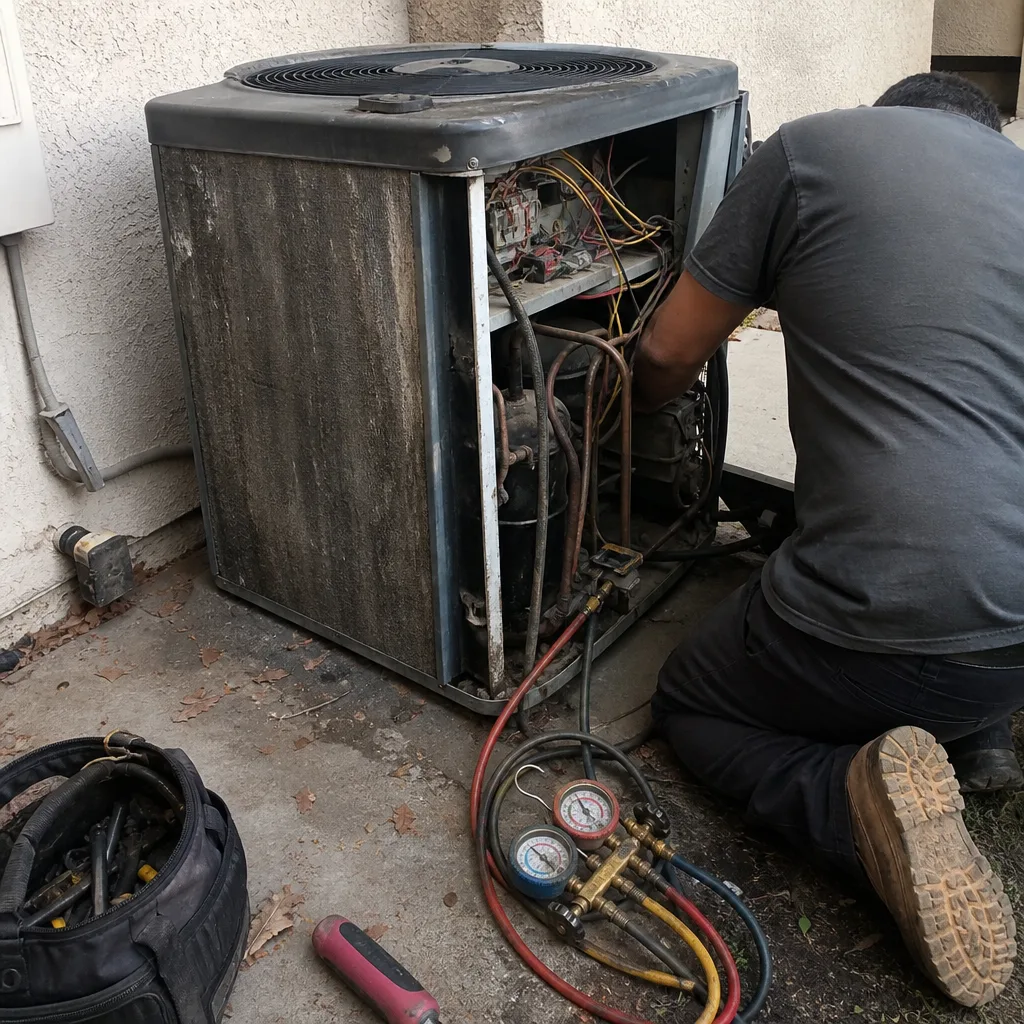 Before
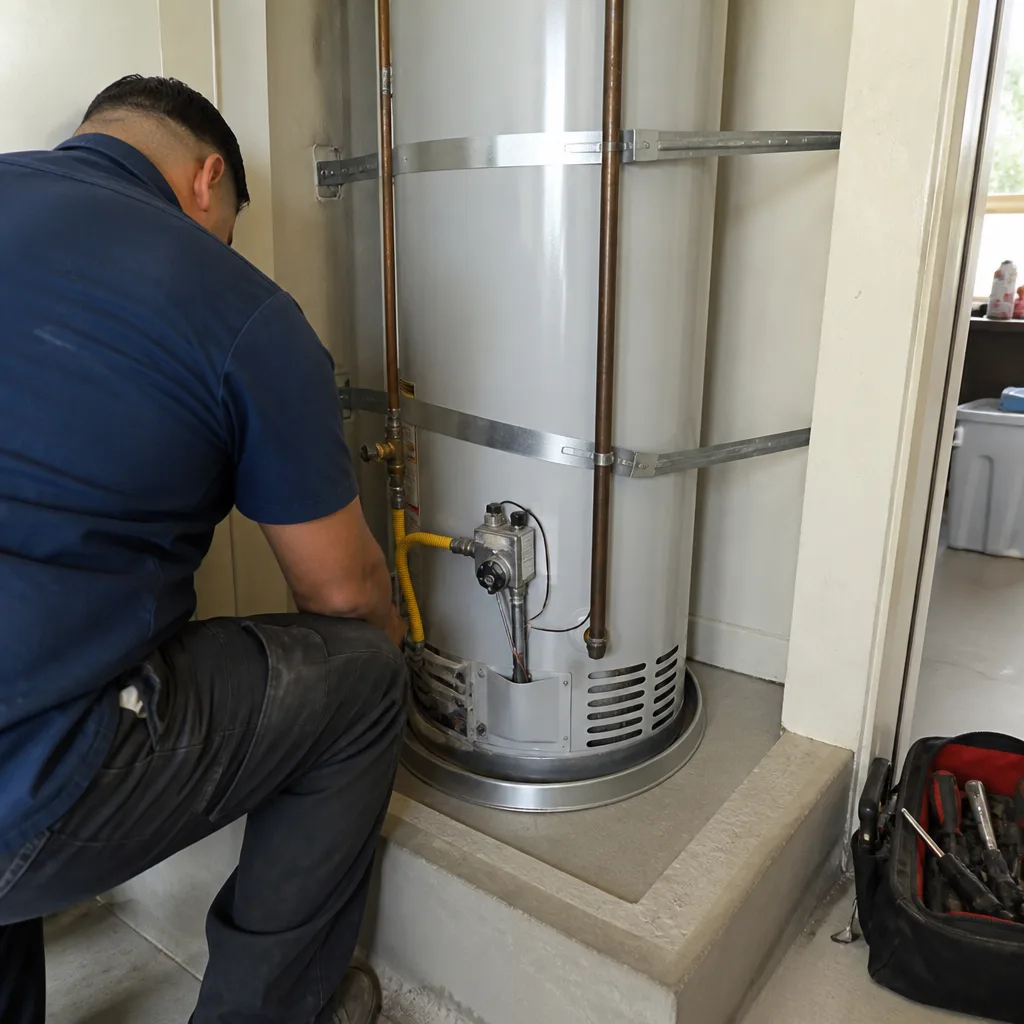 After
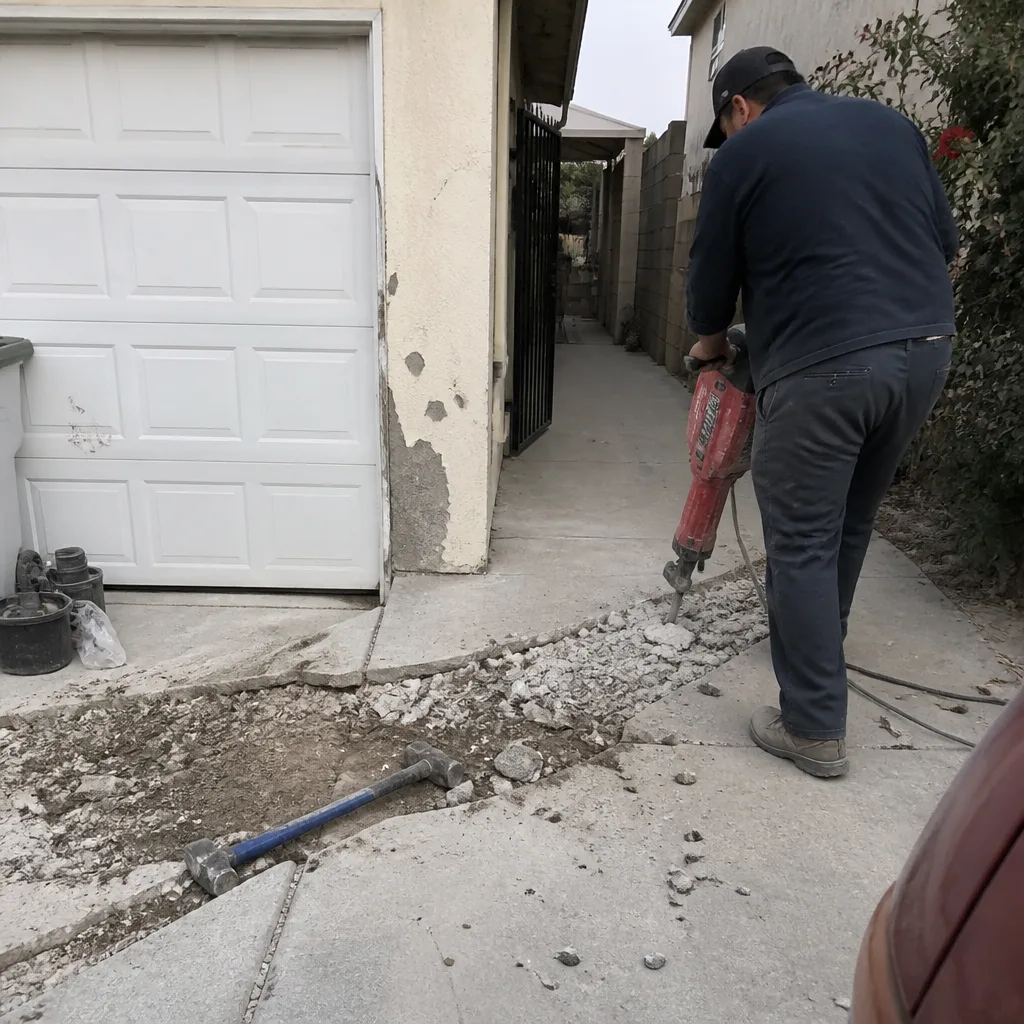 Before
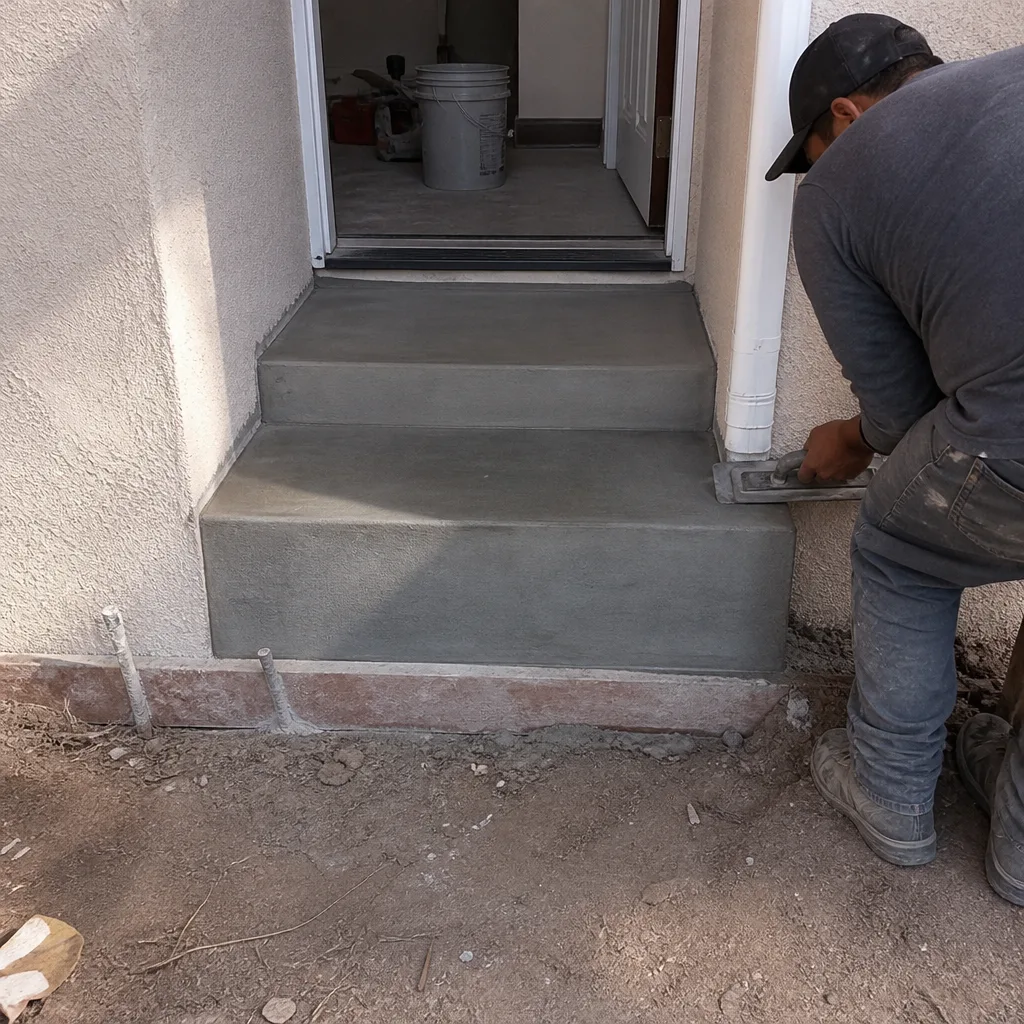 After
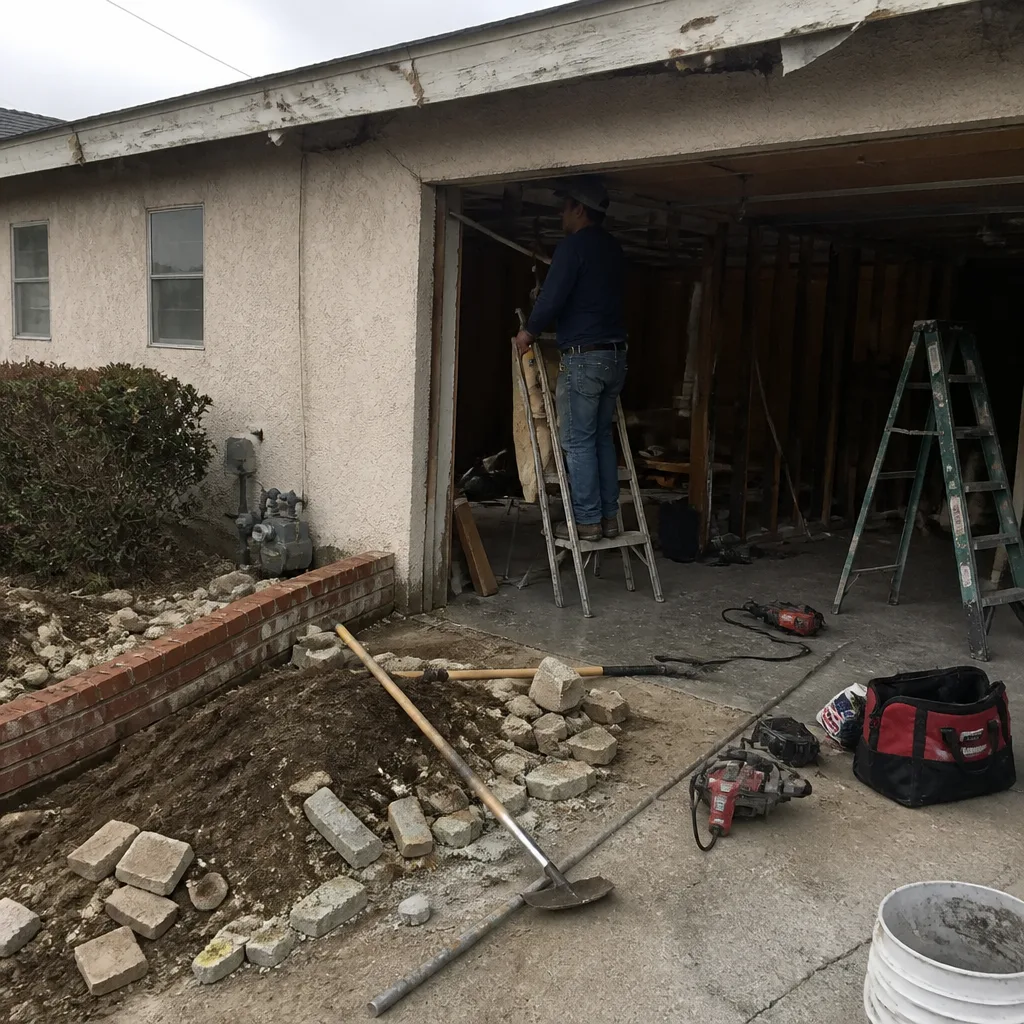 Before
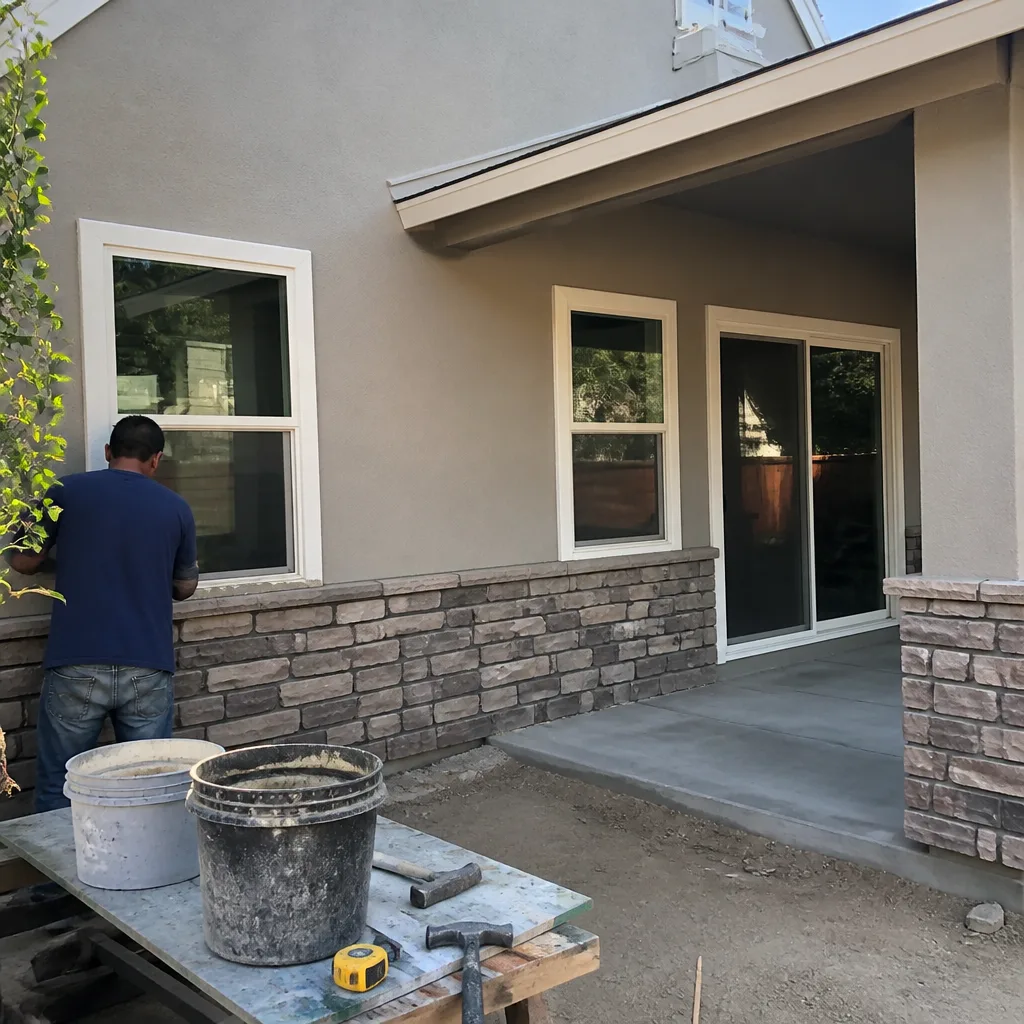 After