
Last updated October 31, 2026
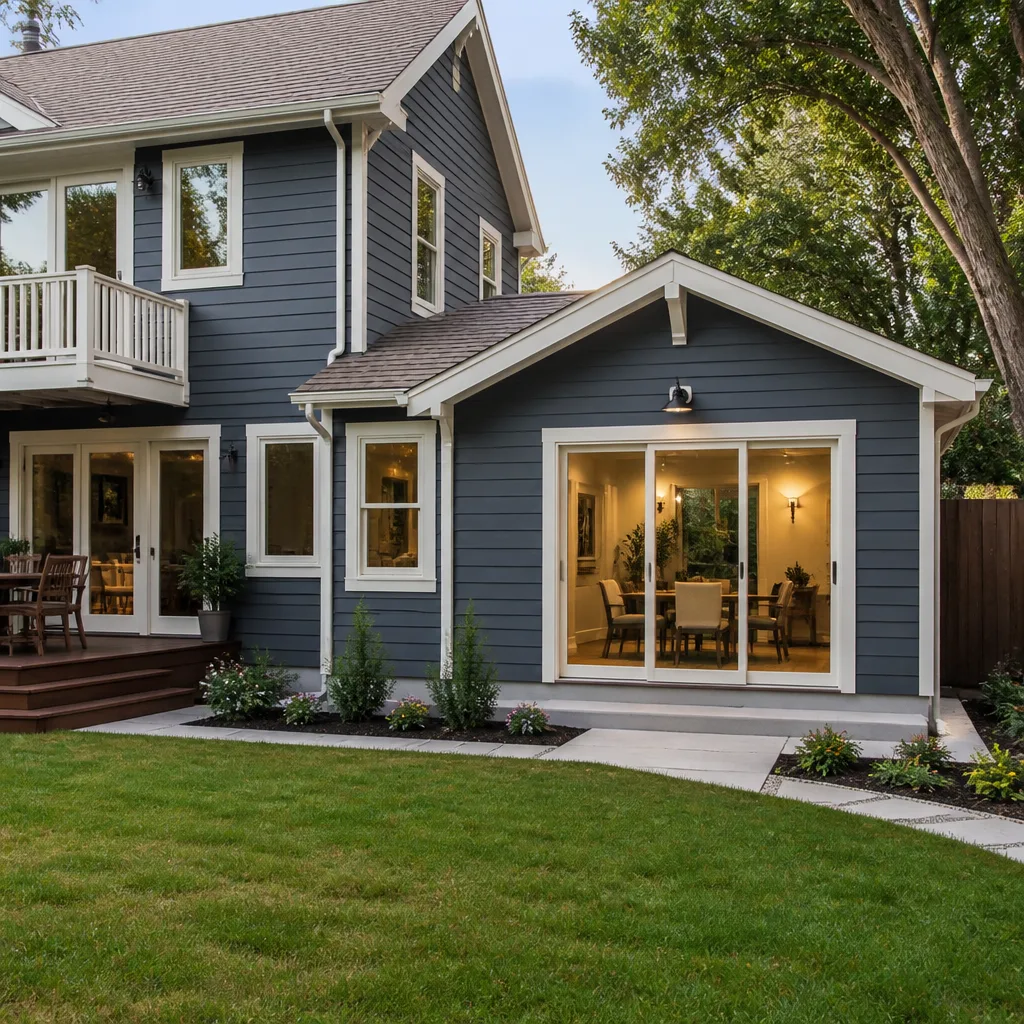 Home additions & ADU
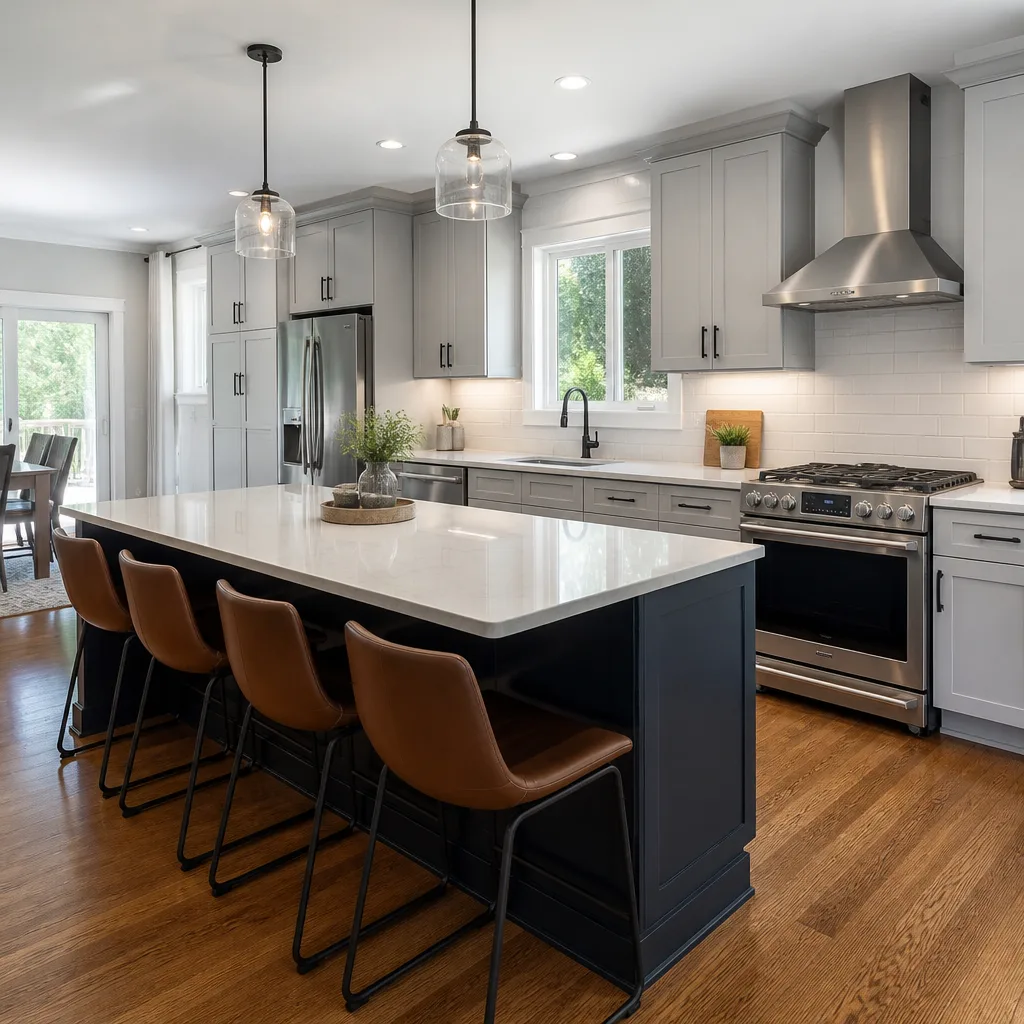 Kitchen remodeling
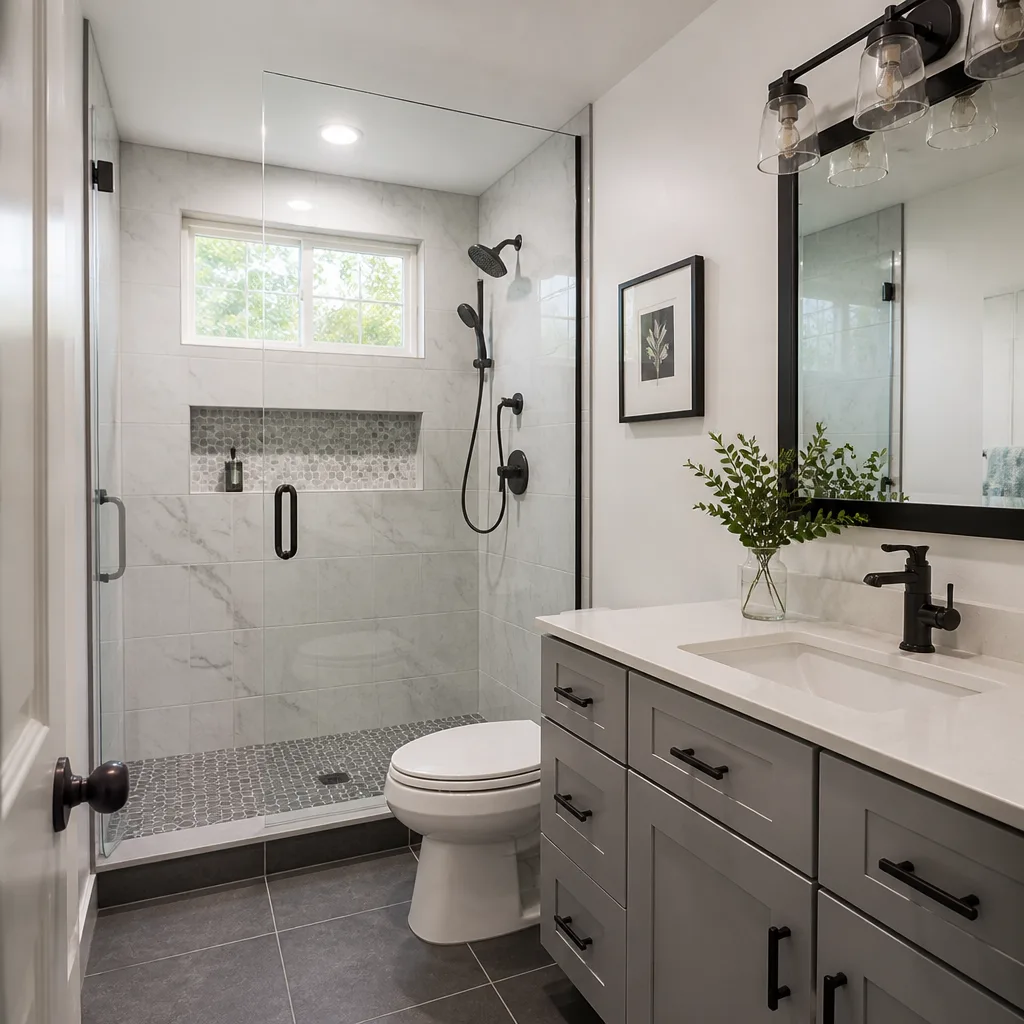 Bathroom remodeling
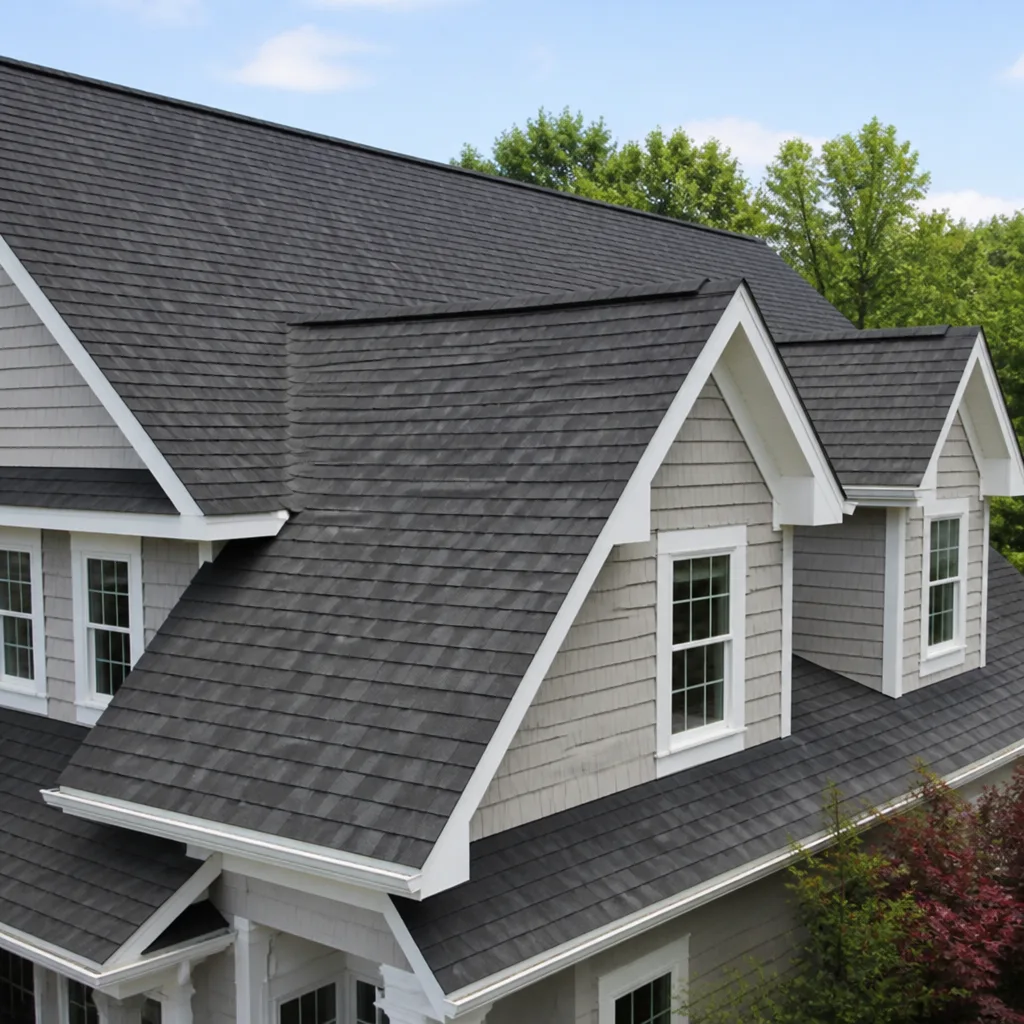 Roofing
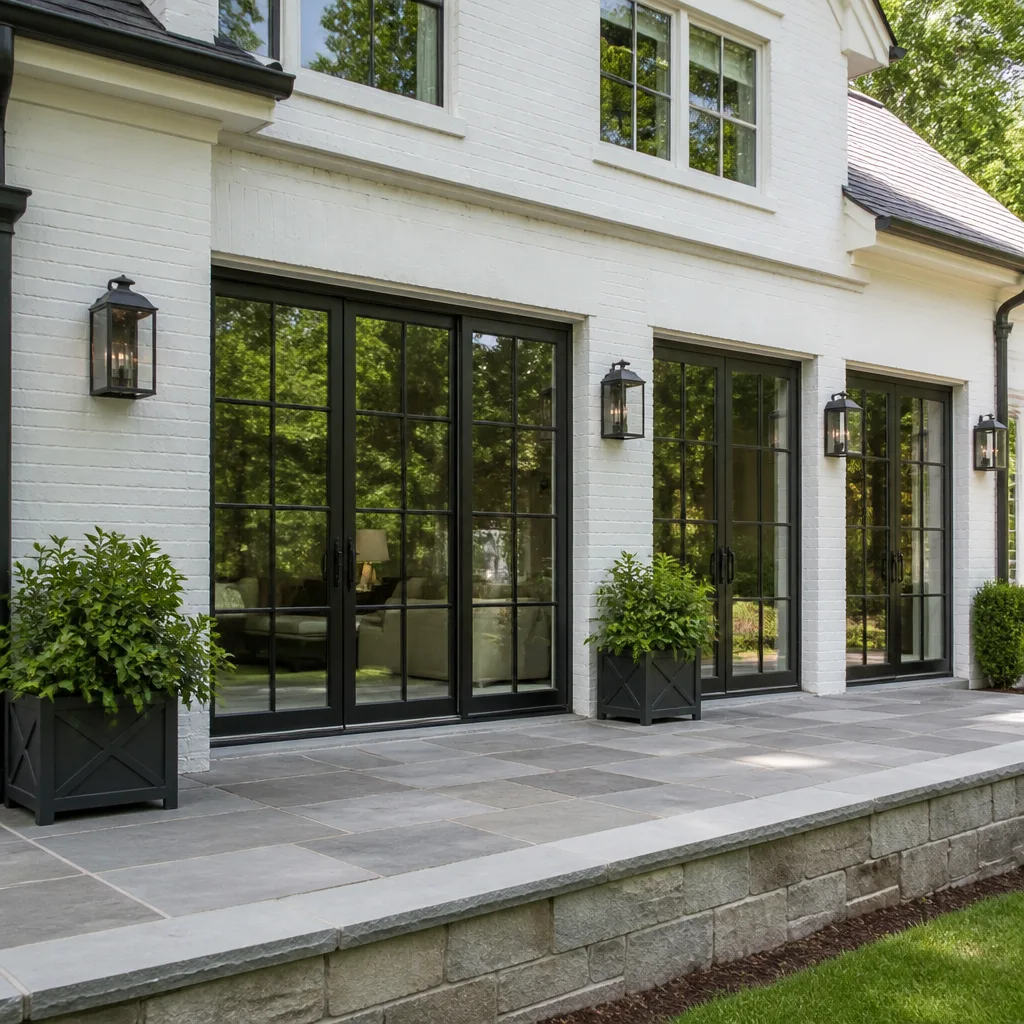 Windows & doors
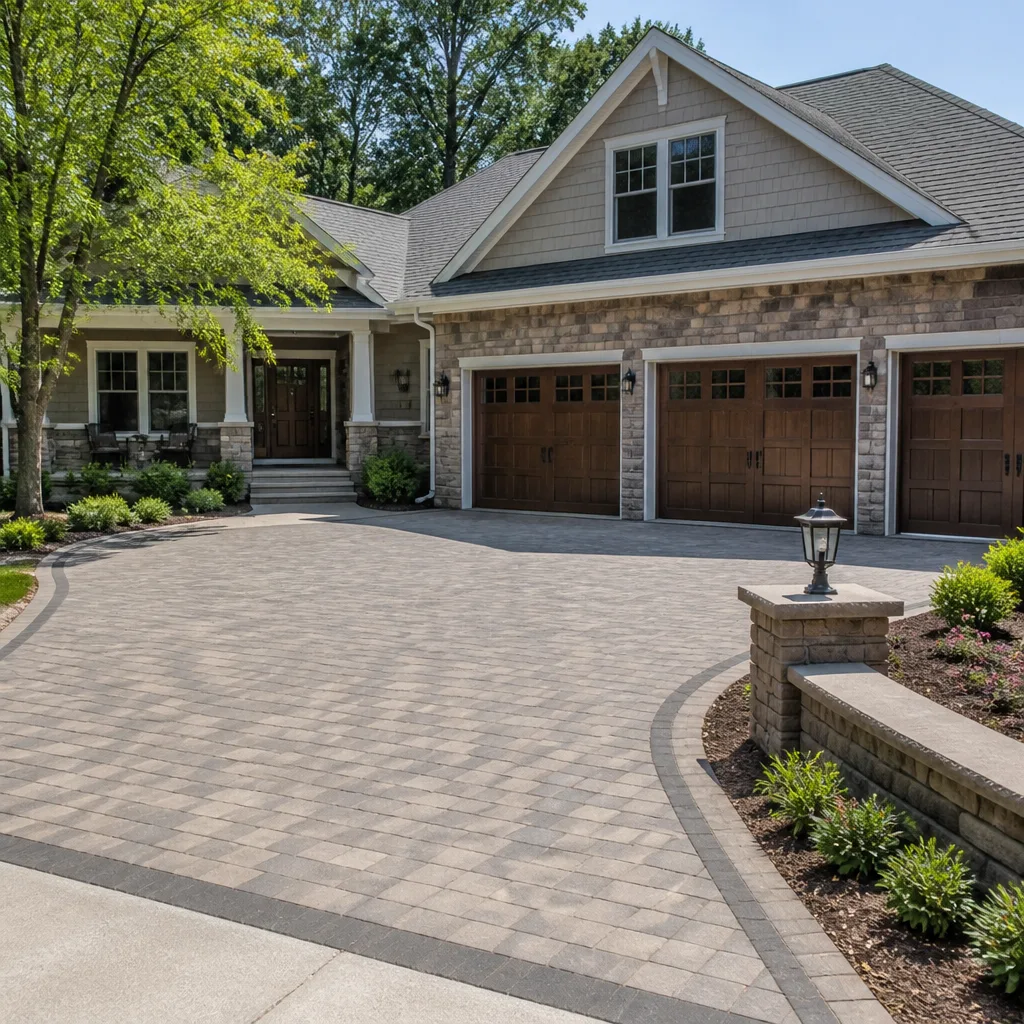 Driveway & pavers
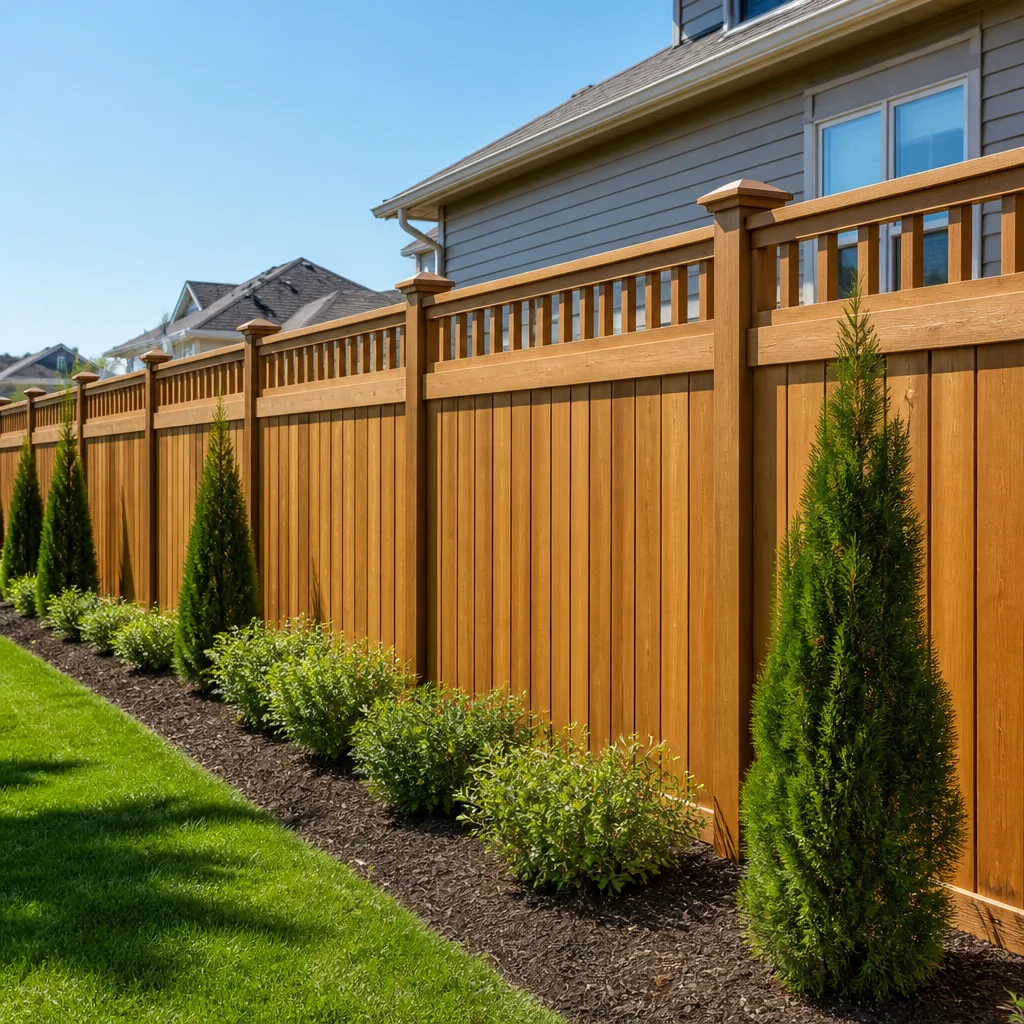 Fence
Free written scope consultation - allowances, timeline, and change-order rules on paper before a single trade is scheduled
Construction Cost Breakdown: The San Bernardino Homeowner’s Reference for 2026
Here’s a number that should make every San Bernardino homeowner pause: the same kitchen remodel that costs $38,000 in Pasadena typically lands between $27,000 and $31,000 here, using identical materials. But that savings disappears fast if you budget from national averages, which skew toward coastal pricing and ignore how Inland Empire labor rates, freight logistics, and San Bernardino’s permit fee structure actually work. This guide lays out exactly what construction costs in San Bernardino in 2026, project by project, line item by line item, including the three things hiding inside every cheap bid and how to spot them before you sign. For more guides & resources, see our blog.
Styles & brands we work with
Quick Answer
Home construction costs in San Bernardino, CA for 2026 run roughly $95 to $180 per square foot for remodels and $160 to $280 per square foot for new construction or ADUs, depending on finish level. A mid-range kitchen remodel runs $27,000 to $36,000, a bathroom $12,000 to $22,000, and a full roof replacement $9,500 to $18,000. Permit fees add 3% to 8% on top of project value for most larger scopes.
Table of Contents
- Why San Bernardino Costs Differ From LA and National Averages
- Cost Per Square Foot by Project Type in San Bernardino
- Kitchen Remodel Costs in San Bernardino: Low, Mid, and High Tiers
- Bathroom Remodel Costs: What a San Bernardino Bathroom Really Costs
- ADU Construction Costs: The San Bernardino Prefab and Site-Built Reality
- Roof Replacement Costs: San Bernardino Heat, Wind, and Material Choices
- Fencing Costs: Perimeter Work That Anchors Your Budget
- How to Read a Contractor Bid: Labor, Materials, and Overhead Ratios
- San Bernardino Permit Fees: The 3-8% Cost Most Estimates Ignore
- Common Mistakes to Avoid
- When to Call a Professional
- Frequently Asked Questions
- The Bottom Line
Why San Bernardino Costs Differ From LA and National Averages
San Bernardino sits in a pricing pocket that’s distinct from both Los Angeles and the high-desert contractor markets to the east. Labor rates for skilled trades in the Inland Empire run 15% to 25% below LA equivalents, but they’re 10% to 15% above what Victorville or Barstow crews charge. That’s the first variable. The second is material freight: most building products entering Southern California flow through the Port of Los Angeles and the massive distribution hubs in Ontario, Rancho Cucamonga, and Fontana. The closer a supplier is to those hubs, the lower their inbound freight cost, and that saving shows up on your invoice. San Bernardino’s warehouse district along the 215 corridor means local suppliers often beat LA list prices on heavy items like tile, countertops, and lumber by 5% to 8%.
Permit fees are the third piece. The City of San Bernardino uses a valuation-based fee schedule, meaning your permit cost scales with the declared project value. For a $30,000 kitchen remodel, expect permit costs between $900 and $2,400 depending on whether electrical, plumbing, or structural work triggers separate plan review fees. We’ll break down the full fee structure later in this guide.
What this means in practice: a San Bernardino homeowner who plans from national cost data is either over-budgeting by 10% to 20%, or under-budgeting because they missed local permit multipliers and freight surcharges on specialty items from out-of-state fabricators. Neither outcome helps.
Cost Per Square Foot by Project Type in San Bernardino
Square-foot pricing is a blunt instrument, but it’s the fastest way to gut-check a bid. Here’s what we see across San Bernardino projects in 2026, from the North End’s 1920s bungalows to newer North Park and Verdemont construction:
- Interior remodel, cosmetic only (paint, flooring, trim, fixtures): $35 to $65 per square foot
- Interior remodel with structural changes (moving walls, relocating plumbing): $90 to $140 per square foot
- Kitchen remodel (full gut, mid-range finishes): $180 to $260 per square foot of kitchen space
- Bathroom remodel (full gut, mid-range finishes): $220 to $380 per square foot of bathroom space
- Room addition (stick-built): $160 to $220 per square foot
- ADU, site-built (attached or detached): $180 to $280 per square foot
- ADU, prefab or panelized: $140 to $240 per square foot, plus site work
- Roof replacement (architectural shingle): $5.50 to $8.50 per square foot of roof area
- Fencing (wood, 6-foot privacy): $28 to $45 per linear foot installed
These ranges reflect what a licensed General Contractor in San Bernardino actually submits on bids in 2026, not what a national cost database harvests from user surveys. The gap between the two can be surprising: national databases often show San Bernardino kitchen remodels at $22,000, but that figure doesn’t reflect current labor minimums or post-2024 material indexing.
Kitchen Remodel Costs in San Bernardino: Low, Mid, and High Tiers
A full kitchen remodel in San Bernardino runs $22,000 to $55,000 in 2026, with the median landing around $31,000. That’s a wide band, so let’s break it into three tiers and show what each actually buys.
Tier 1: Cosmetic Refresh ($8,000 to $15,000)
- Cabinet refacing or repainting, no layout change
- Laminate or butcher block countertops
- New faucet and sink from Delta or American Standard lines
- New lighting fixtures, no rewiring
- Paint and backsplash
- Permit cost: typically none required unless electrical changes occur
Tier 2: Full Remodel With Existing Layout ($27,000 to $36,000)
- New cabinetry, either semi-custom or stock with upgraded finishes
- Quartz or solid surface countertops from Cambria, Silestone, or Caesarstone lines
- New appliances moved within the same footprint
- Kohler or Moen fixtures, including pull-down faucet and undermount sink
- Schluter underlayment beneath tile flooring
- Permit costs: $900 to $2,400, typically requiring electrical and plumbing review
Tier 3: Full Gut With Layout Change ($42,000 to $65,000+)
- Wall relocation or removal, requiring structural engineering
- Custom cabinetry through Wellborn or KraftMaid lines
- Premium countertops, larger slab sizes, waterfall edges
- Grohe or Toto fixtures, pot filler, dedicated beverage station
- New dedicated circuits, under-cabinet lighting, appliance garage
- Permit costs: $1,800 to $4,800 including plan review and structural inspection
One thing we’ve seen repeatedly in San Bernardino kitchens: homes built before 1980 often have electrical panels at or near capacity. Adding a modern appliance suite to a 100-amp panel can trigger a panel upgrade, adding $2,500 to $4,500. A contractor who flags this during the estimate is doing their job. One who doesn’t mention it until the wall is open is not.
For a deeper look at what a full Home Remodeling in San Bernardino project involves, start with scope definition before finish selection.
Bathroom Remodel Costs: What a San Bernardino Bathroom Really Costs
Bathrooms carry the highest cost-per-square-foot of any interior room, and for good reason: they pack plumbing, electrical, waterproofing, and finish work into a small footprint. In San Bernardino, a standard 5×8 hall bathroom remodel runs $12,000 to $22,000. A primary bathroom with a walk-in shower or freestanding tub runs $22,000 to $43,000.
Here’s where the money goes, using a $16,000 mid-range bathroom as an example:
- Demolition and hauling: $900 to $1,500. San Bernardino’s transfer station fees run lower than LA County, but labor time is the same.
- Rough plumbing: $1,800 to $3,200 if you’re relocating fixtures. Keeping the same layout drops this to $600 to $1,100.
- Electrical: $700 to $1,400 for GFCI circuits, vent fan, and lighting repositioning.
- Waterproofing: $1,100 to $2,200. This is non-negotiable. A properly done Schluter or equivalent membrane system is the difference between a bathroom that lasts 20 years and one that develops mold in three.
- Tile work: $2,200 to $4,800 including labor and material. Mid-range porcelain tile with a niche or two.
- Vanity and countertop: $1,400 to $3,500. Stock vanity with stone top, or semi-custom with a Silestone remnant from a local San Bernardino stone yard.
- Fixtures: $700 to $2,200. Delta and American Standard at the accessible end, Sterling or Moen mid-range, Toto and Grohe at the top. A Toto washlet alone can add $1,500 to $4,000.
- Glass shower enclosure: $1,100 to $2,800 for a standard semi-frameless setup. Frameless custom glass pushes above $4,000 quickly.
San Bernardino’s hard water is a consideration worth planning for. Homeowners in the foothill neighborhoods frequently upgrade to a whole-house water softener or at minimum a filtration system at the same time, adding $1,500 to $3,500 but protecting fixtures and tile. It’s a smart add-on that’s cheaper to install while walls are open than to retrofit later.
ADU Construction Costs: The San Bernardino Prefab and Site-Built Reality
Accessory dwelling units have become one of the highest-demand project types in San Bernardino, driven by state density bonuses and a rental market that consistently outpaces what a comparable unit commands in LA. A site-built 800-square-foot ADU runs $160,000 to $224,000 in 2026. A prefab or panelized ADU of the same size runs $112,000 to $192,000, plus $25,000 to $60,000 in site work, utilities, and foundation costs that prefab pricing rarely includes.
Here’s the breakdown that matters:
- Site preparation: $12,000 to $35,000. This varies dramatically in San Bernardino. Flat lots in the older grid neighborhoods need less grading; lots against the foothills with slope and drainage requirements can triple this line item.
- Foundation: $14,000 to $38,000. Slab-on-grade is standard, but pier-and-beam is common on older lots where drainage is already an issue.
- The structure itself: site-built framing and roofing runs $65,000 to $110,000 for 800 square feet. Prefab manufacturers like Abodu, Dvele, and Boxabl deliver factory-built modules at $90 to $200 per square foot of module, but those modules still need assembly, crane time, and finish connections on site.
- Utility connections: $8,000 to $25,000. San Bernardino Water Department and city sewer lateral requirements apply. If your existing lateral can’t handle the additional flow, trenching a new line from the street can add $6,000 to $18,000 by itself.
- Permits and fees: $4,000 to $9,000 for a detached ADU. State law caps certain ADU impact fees, but city plan review, building permits, and school district fees still apply.
The prefab advantage isn’t always price, it’s time and predictability. Factory-built modules avoid weather delays and reduce on-site labor hours, which matters when San Bernardino’s summer heat shortens effective workdays. But the foundation, utilities, and finish work still happen on site, and those costs are identical whether the walls were framed in a factory or in your backyard.
This is an area where having one contractor who handles both Home Renovation in San Bernardino and prefab coordination eliminates a common failure point: the general contractor blaming the prefab manufacturer, and the manufacturer blaming the site contractor, while the homeowner waits.
Roof Replacement Costs: San Bernardino Heat, Wind, and Material Choices
A full roof replacement in San Bernardino runs $9,500 to $18,000 for a typical 1,500 to 2,200 square foot single-story home, using architectural asphalt shingles. That’s $5.50 to $8.50 per square foot of roof area, which is typically 1.3 to 1.5 times the home’s footprint due to pitch and overhang.
San Bernardino’s climate puts specific demands on roofing material. Summer temperatures routinely exceed 100 degrees, which accelerates shingle granule loss. Santa Ana wind events in fall push gusts hard against south-facing slopes. And while rain is concentrated in a short winter window, when it comes, drainage systems need to handle sudden volume. For a broader look at weather-related risks, see our Construction Emergency Preparedness Guide for San Bernardino Homes.
Material choices and their local cost implications:
- 3-tab asphalt shingle: $5.50 to $6.50 per square foot installed. The cheapest option, but we rarely recommend it for San Bernardino. The wind uplift rating doesn’t hold up on exposed slopes, and the heat accelerates curling.
- Architectural asphalt shingle: $5.50 to $8.50 per square foot installed, depending on brand. GAF Timberline, CertainTeed Landmark, and Owens Corning Duration all outperform 3-tab and carry better wind warranties. These are the standard choice for most San Bernardino homes.
- Stone-coated steel: $14 to $22 per square foot installed. Premium choice for foothill homes facing sustained Santa Ana exposure or homeowners planning to stay 20+ years.
- Concrete tile: $12 to $18 per square foot installed, but requires structural verification. Many older San Bernardino homes were not engineered for tile’s weight.
Underlayment matters here more than in coastal markets. A high-quality synthetic underlayment costs $300 to $700 more than basic felt for an average roof, but it’s the layer that keeps water out when shingles lift in wind. Cut this corner nowhere in San Bernardino.
One note that catches homeowners off guard: roof permits require a re-roof inspection, and the City of San Bernardino enforces a two-layer maximum. For more details on local requirements, see our Construction Permits, Codes & Inspections in CA: What You Need to Know. If your home already has two layers, the old roof must be stripped to the deck, adding $1,800 to $3,200 in disposal and labor costs.
Fencing Costs: Perimeter Work That Anchors Your Budget
Fencing in San Bernardino runs $28 to $45 per linear foot for a standard 6-foot cedar dog-ear privacy fence, installed. A typical 150-foot rear and side perimeter totals $4,200 to $6,750. Here’s the breakdown by material:
- Pressure-treated pine, stockade: $22 to $30 per linear foot. The budget choice. It’ll last 8 to 12 years in San Bernardino’s dry climate before posts start moving from soil expansion cycles.
- Cedar dog-ear or board-on-board: $28 to $45 per linear foot. The standard for most San Bernardino yards. Cedar resists rot better than pine and holds stain longer. Board-on-board adds privacy for corner lots on busy streets like those off Sierra Way.
- Vinyl privacy fencing: $38 to $58 per linear foot. Low maintenance, and it doesn’t dry out or warp in the heat, but it’s more expensive up front and less repairable panel-by-panel than wood.
- Metal or ornamental: $48 to $90 per linear foot for steel or aluminum panels. Common for front yards in the older historic districts where a combination of stucco columns and metal panels matches the original character.
Two San Bernardino-specific fence costs to plan for. First, removing an old fence runs $5 to $8 per linear foot, plus hauling. Second, if your property sits on an easement, the city may require the fence to be set back or engineered for access, and that means a survey mark before installation. Skipping the survey is the fastest way to lose a fence in a property line dispute, and San Bernardino’s older neighborhoods have plenty of lot lines that don’t match the current fence.
How to Read a Contractor Bid: Labor, Materials, and Overhead Ratios
A legitimate contractor bid in San Bernardino for a general remodel breaks down into three buckets, and the ratios are predictable. When a bid deviates from these patterns, something is being hidden or cut. Learn the warning signs in our Construction Warning Signs: A San Bernardino Homeowner’s Reference Guide.
- Materials: 35% to 45% of total project cost. For a kitchen remodel at $31,000, that means $10,850 to $13,950 in cabinetry, countertops, fixtures, flooring, lighting, and finishes. If a bid shows materials under 30%, the contractor is either using builder-grade materials and inflating labor, or they plan to substitute cheaper products after signing.
- Labor: 40% to 50% of total project cost. This includes skilled trade labor (carpenters, plumbers, electricians, tile setters) plus the general contractor’s own supervision time. In San Bernardino’s 2026 labor market, a lead carpenter commands $35 to $55 per hour, a licensed electrician $85 to $125 per hour billed, and tile setters work either hourly or by the square foot. Labor over 55% of total project cost usually means change orders are coming.
- Overhead and profit: 15% to 22% of total project cost. This covers licensing, insurance, vehicles, office operations, and the contractor’s actual take-home. A bid showing overhead under 10% signals either a company running on thin margins (which increases abandonment risk on longer projects) or a contractor who isn’t carrying proper insurance and workers’ comp.
On top of these three buckets, expect permit fees as a separate line item, not buried in overhead. A contractor who quotes you a price “including permits” without showing the actual fee schedule is either absorbing city costs into their margin (unusual and worth asking about) or not pulling permits at all.
The single most useful thing you can do when comparing bids in San Bernardino: ask every contractor to break out the same five categories: demolition, rough-in work, finishes, site work, and project management. If three bids come in and one contractor’s rough-in number is half the others’, you’re looking at either a scope misunderstanding on their side or corner-cutting on yours.
San Bernardino Permit Fees: The 3-8% Cost Most Estimates Ignore
The City of San Bernardino’s Community and Economic Development Department calculates permit fees based on project valuation, and the total rarely lands below 3% of project value for anything requiring plan review. For projects with structural, electrical, and plumbing scope, that figure climbs toward 8%.
Here’s how it breaks down on a typical residential remodel:
- Building permit base fee: calculated from a valuation table. A $30,000 project typically triggers $600 to $900 in base fees.
- Plan review fee: typically 65% of the building permit fee. A project requiring stamped engineering drawings pays this on top of the base.
- Electrical permit: $150 to $450 depending on the number of circuits and whether a panel upgrade is involved. A panel upgrade requires its own inspection and sometimes a utility coordination fee with Southern California Edison.
- Plumbing permit: $120 to $400 depending on fixture count and pipe modification scope.
- Mechanical permit: $100 to $300 for HVAC work, common when kitchens or additions require ducting changes.
- Impact and development fees: applicable to ADUs and additions, ranging from a few hundred dollars to several thousand depending on square footage and school district assessments.
Total for a mid-range $30,000 kitchen with electrical and plumbing scope: $1,400 to $2,800. Total for an $180,000 ADU: $4,800 to $9,500.
Any contractor working in San Bernardino should be able to show you the fee schedule and explain which line items apply to your project. If they can’t, or if they wave off permits as optional, walk. The city’s inspection record attaches to your property, not the contractor’s reputation, and unpermitted work discovered during a future sale becomes a negotiation penalty against you.
Common Mistakes to Avoid
- Budgeting from national cost averages. National sites routinely understate San Bernardino’s tile and roofing material costs by 10% because they pull from unverified user reports, and they rarely include local permit multipliers. Use the ranges in this guide as your baseline.
- Accepting the cheapest bid without asking why it’s cheap. In San Bernardino, the cheapest bid typically means one of three things: unlicensed labor, materials being substituted later, or a scope that won’t match the other two bids once work starts. Get the three-category breakdown before deciding.
- Forgetting the panel upgrade. Homes built before 1990 in San Bernardino’s older neighborhoods frequently have 100-amp panels. A modern kitchen with an induction range, double oven, and dedicated microwave circuit can exceed that capacity. Budget $2,500 to $4,500 if your project adds major electrical load.
- Skipping the soil check for fences and ADUs. San Bernardino’s soil varies from sandy loam in the flats to clay-heavy soil against the foothills. A fence contractor who doesn’t account for post depth in clay soil is setting posts that will heave within three winters.
- Treating the roof as separate from the rest of the envelope. Replacing a roof without addressing attic ventilation is a common mistake in San Bernardino, where summer heat pushes attic temperatures past 140 degrees. Inadequate ventilation voids shingle warranties and shortens roof life by years.
- Not confirming who handles hauling. San Bernardino’s transfer station is cheaper than LA County’s, but dump fees still add up on full remodels. A bid that says “disposal included” without a line item either already has a padded margin or will come back as an extra when dumpsters fill.
- Assuming prefab means “no permits.” Prefab and panelized ADUs still require full city review, foundation permits, and utility inspections. The factory certification covers the module, not the site work.
When to Call a Professional
Some projects are genuinely DIY-appropriate: painting an accent wall, swapping a faucet, replacing an outlet cover. But any scope that involves moving plumbing, relocating walls, upgrading electrical panels, or touching a roof structure should involve a licensed contractor. The consequences of getting waterproofing or load-bearing work wrong don’t show up in week one, they show up three years later as a $9,000 mold remediation or a sagging ridge line.
If you’re in the research phase and want San Bernardino-specific numbers for your exact property, the fastest path is a site visit. Toolbox Contractors home offers free estimates for San Bernardino homeowners, and the number to call is (855) 382-3257. We walk the property, measure scope, and give you a written breakdown in the same three-category format we described above, so you can compare it directly against any other bid you’re holding.
Frequently Asked Questions
A full kitchen remodel in San Bernardino runs $27,000 to $36,000 for a mid-range scope without layout changes, and $42,000 to $65,000 when walls move or the panel needs upgrading. Cosmetic refreshes start around $8,000. Call (855) 382-3257 for a site-specific quote with line-item pricing.
Overhead and profit typically total 15% to 22% of project value, covering licensing, insurance, workers’ compensation, vehicles, office staffing, and the contractor’s margin. A bid showing overhead under 10% usually means insurance is being skipped or the company is running too thin to finish longer projects.
Most San Bernardino contractors list permit fees as a separate line item, and that’s how it should be. Permit costs run 3% to 8% of project value for larger scopes, so a $30,000 remodel typically carries $1,400 to $2,800 in city fees. A contractor who says “permits included” without showing the fee schedule is either absorbing the cost into margin or not pulling permits.
A single-room remodel like a kitchen or bathroom runs 4 to 8 weeks from demo to final inspection. A whole-home renovation of 1,500 square feet or more typically runs 4 to 8 months. ADU projects run 6 to 14 months depending on whether the structure is site-built or prefab. San Bernardino’s summer heat can extend exterior work schedules by 10% to 15% as crews adjust start times.
Skilled labor rates in the Inland Empire run 15% to 25% below LA equivalents, and material freight costs are lower because San Bernardino is closer to the Ontario and Fontana distribution hubs that serve most of Southern California. The same Cambria countertop or KraftMaid cabinet order costs less to deliver here than it does across the county line.
Yes. Toolbox Contractors coordinates prefab and ADU builds through manufacturers like Abodu, Dvele, Boxabl, and Plant Prefab, managing the site work, foundation, utility connections, and finish work that factory-built modules still require. That gives you one point of accountability instead of a separate site contractor and factory rep pointing fingers at each other.
The Bottom Line
Construction costs in San Bernardino are their own market, not a discount version of LA and not a premium version of the high desert. Material costs benefit from distribution proximity, labor rates sit at a sweet spot between coastal and desert markets, and permit fees and soil conditions add local complexity that generic cost calculators miss. The homeowner who wins in 2026 is the one who gets three bids, demands the three-category breakdown, verifies permit line items, and walks away from any number that seems too good without an explanation. One contractor handling the full scope from kitchen to roof to fence means one bid, one schedule, and one accountable partner. That’s the shortcut.
Written by the team at Toolbox Contractors, serving San Bernardino since 2013.
See the difference
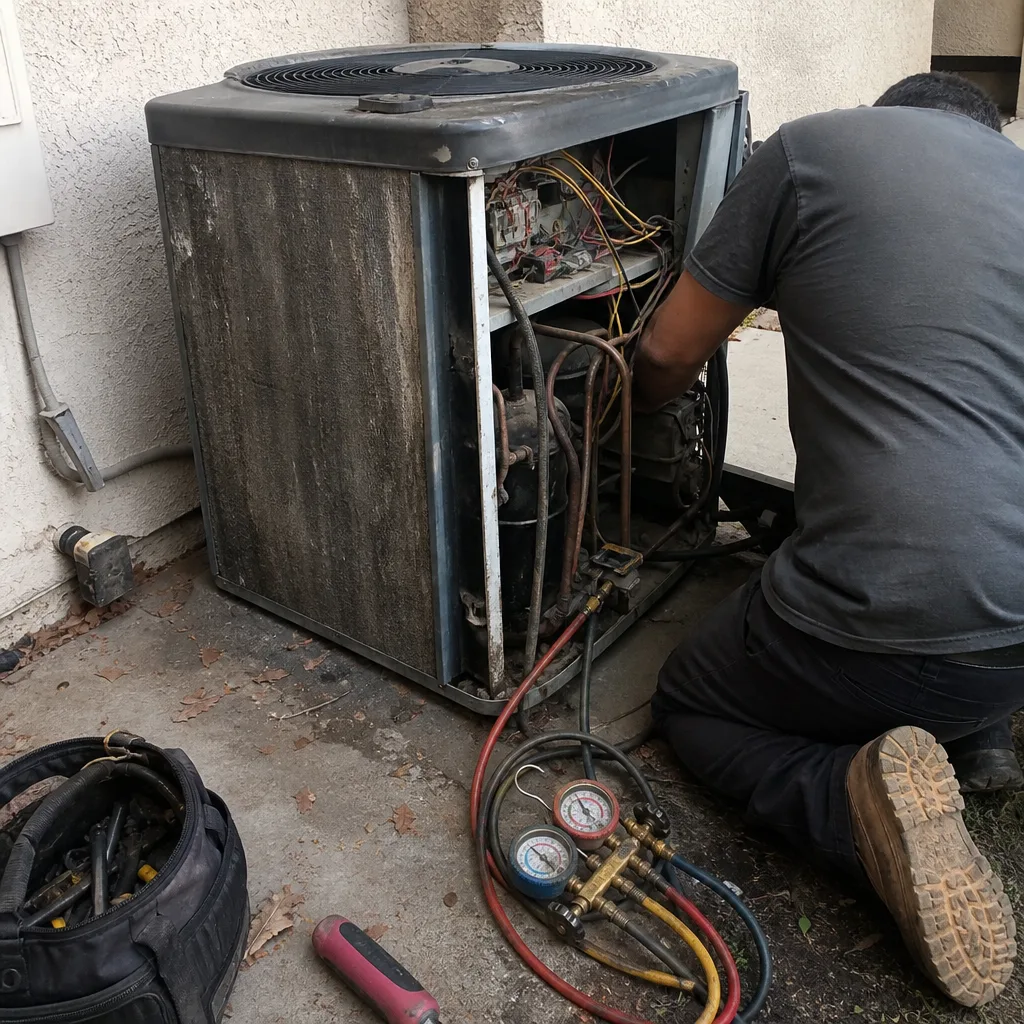 Before
 After
 Before
 After
 Before
 After