
Last updated October 31, 2026
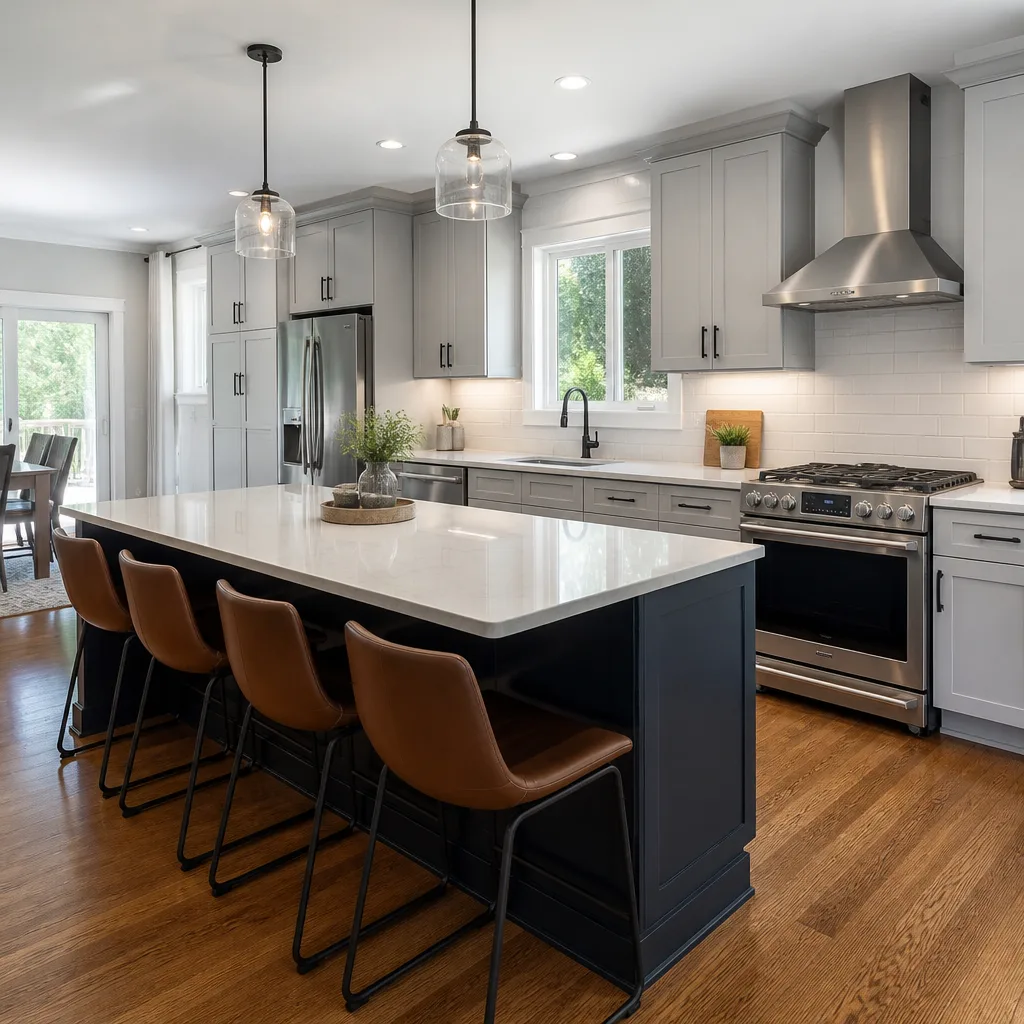 Kitchen remodeling
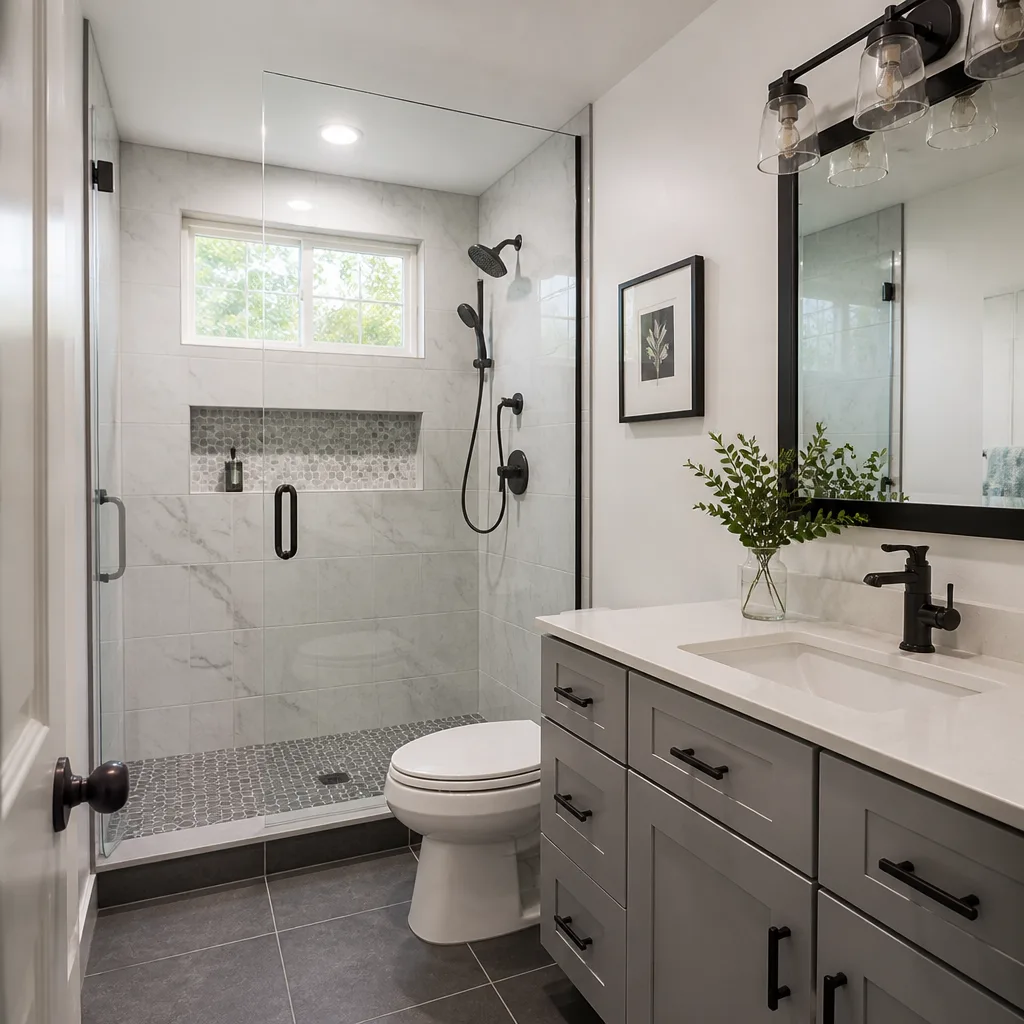 Bathroom remodeling
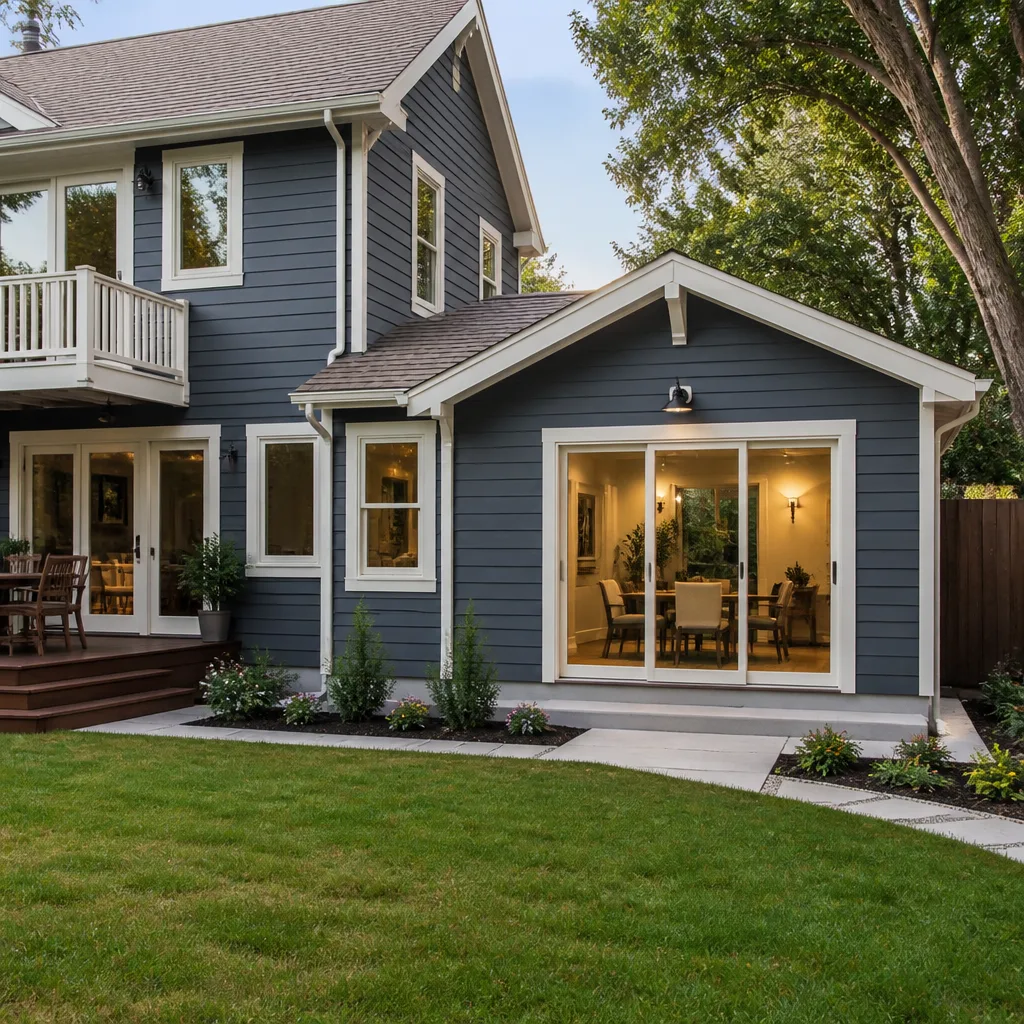 Home additions & ADU
 Roofing
 Windows & doors
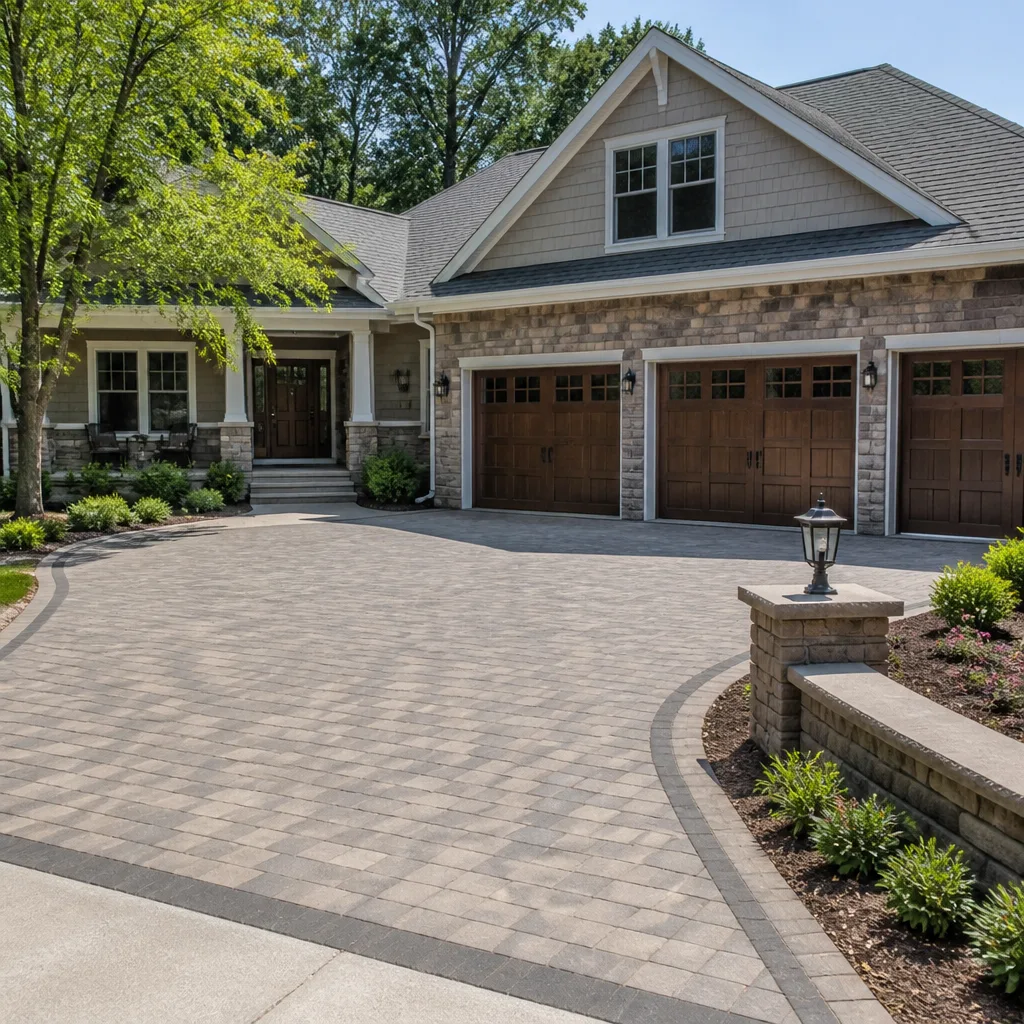 Driveway & pavers
 Fence
Free written scope consultation - allowances, timeline, and change-order rules on paper before a single trade is scheduled
How to Hire a Construction Contractor in San Bernardino: A Step-by-Step Guide
California’s Contractors State License Board (CSLB) disciplinary database consistently places San Bernardino County near the top of the list for contractor fraud complaints statewide. That’s not a coincidence, and it’s not because homeowners here are careless. It’s because the market attracts a specific kind of operator: unlicensed crews chasing work on older housing stock, foreclosed properties, and post-wind-event repairs. Most victims we’ve spoken with in San Bernardino say the same thing: they checked reviews, they compared prices, and they still got burned. Reviews don’t catch license fraud. Prices don’t catch unpermitted work. The steps that actually protect you are specific, free, and take less time than reading this guide. We’ll walk through every one of them.
Styles & brands we work with
Quick Answer
To hire a construction contractor in San Bernardino, verify their CSLB license is active and matches the license class your project requires, get a written contract with a draw schedule tied to milestones not calendar dates, and confirm they pull permits for work that exceeds California’s $500 threshold for construction requiring a permit. Skip any bid that asks for cash-only payment, promises unusually fast permit approval, or doesn’t name the materials being installed. The full process, with exact steps and San Bernardino-specific red flags, is below.
Table of Contents
- Step 1: Verify the CSLB License (Under 3 Minutes)
- Step 2: Match the License Class to Your Project
- Step 3: Read Bids Like a Contract, Not a Price Tag
- Step 4: Spot San Bernardino-Specific Red Flags
- Step 5: Get the Contract Clauses That Protect You
- Step 6: Understand Permits and Why Fast Promises Are a Warning
- Step 7: Verify Insurance and Bonding
- Common Mistakes to Avoid
- When to Call a Professional
- Frequently Asked Questions
- The Bottom Line
Step 1: Verify the CSLB License (Under 3 Minutes)
This is the single most important step, and it’s the one most homeowners skip. Before you ask for a bid, before you discuss materials, before you let anyone measure anything, you need to check the license. In San Bernardino, where unlicensed contracting is a persistent problem, skipping this step is how people lose five-figure deposits.
The CSLB website (cslb.ca.gov) has a license check tool. You enter the contractor’s name or license number, and it shows you their status, license class, workers’ comp insurance status, and any disciplinary actions. Here’s how to do it:
- Go to cslb.ca.gov and click “Check a License”
- Enter the license number (it should be on the contractor’s business card, vehicle, or ads – California law requires it on all of these)
- Look at the status field. This is where most people get confused, so here’s what the codes actually mean
License status codes explained:
- Active: The license is current and valid. The contractor can legally work in California. This is what you want.
- Active-Expired: The license lapsed because the contractor didn’t renew it. They cannot legally contract until it’s renewed. Some “active-expired” contractors keep working as if nothing changed. Do not hire one.
- Suspended: The CSLB pulled the license, usually for complaints, unpaid judgments, or failure to carry workers’ comp insurance. A suspended license means the contractor cannot legally perform work. Walk away.
- Revoked: The license was taken permanently. Anyone operating under a revoked license is committing fraud.
- Inactive: The contractor has chosen not to renew or cancelled the license. Not legal to work under.
Also check the “Workers’ Comp” field on the license record. If it says “None,” that means the contractor has no employees and is exempt, which is legal for a solo operator. If it says “Exempt” but they show up with a crew of three, something’s off. A contractor with employees must carry workers’ comp, and the license record reflects that. We’re a General Contractor in San Bernardino and we’ve seen homeowners held liable for injuries because they hired someone who was misrepresenting their workers’ comp status.
The whole check takes under three minutes. Do it before you sign anything. Do it again the day before work starts, because licenses can lapse between bid and build.
Step 2: Match the License Class to Your Project
Having a license isn’t enough. California issues different license classes for different types of work, and hiring the wrong class can leave you holding liability for anything that goes wrong. Here’s what you need to know about the three main categories:
General Contractor (Class B): A Class B license allows the holder to manage and perform projects involving two or more unrelated trades. That means a Class B general contractor can coordinate framing, electrical, plumbing, and finishes under one contract. For a kitchen remodel, a bathroom gut, an addition, or an ADU, you want a Class B. This is who pulls the permits and bears responsibility for the whole project. Toolbox Contractors operates as a Class B general contractor, which is why we can handle Home Remodeling in San Bernardino projects that span multiple trades without you having to coordinate separate specialists.
Subcontractor (Class C): A Class C license covers one specific trade, like C-39 roofing, C-36 plumbing, or C-10 electrical. A Class C contractor can only legally perform work within their licensed trade. If a roofer with a C-39 offers to also replace your windows and pour a concrete walkway, they’re outside their license. That’s a problem, because unlicensed work is unprotected work.
Handyman (no license): In California, a person without a contractor’s license can legally perform work only if the total project cost, including labor and materials, is under $500. That’s the state’s threshold. Anything above $500 requires a licensed contractor. Some handymen in San Bernardino push that boundary by splitting projects into sub-$500 phases or asking for cash so there’s no paper trail. If the total project cost exceeds $500, you need a licensed contractor. Period.
The practical takeaway: if your project involves more than one trade, hire a Class B general contractor. If it’s one trade only, a Class C specialist works. But the moment you’re coordinating two or three different crews yourself, you’ve become the general contractor, and you’re now liable for scheduling, code compliance, and worker safety. That’s a role most homeowners don’t want.
Step 3: Read Bids Like a Contract, Not a Price Tag
Most homeowners in San Bernardino collect three bids and pick the middle one. That’s the conventional advice, and it’s incomplete. The problem is that three bids with different scopes aren’t comparable at all. A low bid that omits disposal fees, under-scopes the electrical work, and uses unnamed materials will balloon once work starts. A detailed bid from a contractor who knows what they’re doing reads differently. Here’s what to look for inside a real bid:
- Material brands named specifically. A bid that says “countertops” tells you nothing. A bid that says “Caesarstone quartz, color Perla, 3cm, with eased edge profile,” tells you the contractor has ordered materials before. Generic bids are a red flag. In our experience working across San Bernardino, the bids that hold up over time name the exact product, the exact finish, and the exact quantity. The ones that go sideways say things like “tile as selected.”
- Line items for demo, disposal, and permits. These are the costs that low bidders leave out to win the bid, then add back as change orders. A bid should show demolition, hauling, permit fees, and any city inspection costs as separate line items. If it doesn’t, ask why.
- Allowances that are realistic. A bid might say “plumbing fixture allowance: $500” or “tile allowance: $4/sq ft.” Those numbers should reflect what things actually cost at local suppliers. A $500 plumbing allowance for a bathroom remodel is about half what even a basic Delta or American Standard setup costs. When the allowance is unrealistically low, the “savings” in the bid are phantom. You’ll pay it as a change order later.
- A payment schedule tied to milestones. A bid that asks for 50% upfront with no schedule is a warning. A bid that ties draws to specific completion milestones, like “framing complete” or “rough-in inspection passed,” protects you. More on this in Step 5.
- The contractor’s license number printed on the bid. This is required by California law. If the number isn’t there, the person who gave you the bid may not have one.
Getting three bids isn’t useless, but it’s less useful than understanding what’s inside one detailed bid. If one bid is 10% higher but names every material, includes permits, and breaks out the draw schedule, that bid is more honest than a cheaper one full of vague language.
Step 4: Spot San Bernardino-Specific Red Flags
Every market has its local patterns, and San Bernardino’s are shaped by two things: an older housing stock that creates steady demand for big-ticket repairs, and a high volume of distressed or investor-owned properties that attract out-of-town crews looking for quick money. For advice on protecting your home throughout the year, see Seasonal Construction Care for San Bernardino: Year-Round Homeowner’s Guide. Here are the red flags we see most often in this city, the ones that show up again and again in CSLB complaints from Riverside to San Bernardino to Victorville:
- Cash-only payment structures: “We’ll knock off 10% if you pay cash.” That’s not a discount, it’s a paper-trail deletion. Cash payments make it nearly impossible to prove what you paid if the work is substandard or never finished. A legitimate contractor takes checks, cards, or financing.
- Unusually fast permit promises: “We can have the permit in three days.” No, they can’t. San Bernardino’s building department processes permits on a timeline that depends on plan review, zoning checks, and inspector availability. A contractor promising a permit in days either hasn’t submitted for one or plans to work without one.
- Bids that don’t name materials: We mentioned this in Step 3, but it’s worth repeating with local context. San Bernardino is a competitive market for cabinetry, countertops, and roofing. A contractor who can’t name the brand of shingle or cabinet line they’re installing is either guessing at pricing or planning to substitute cheaper product after you sign.
- Out-of-state license plates on work trucks: Not always a problem, but when combined with aggressive door-knocking after wind storms, it’s often a sign of a storm-chasing crew that won’t be here when you need a warranty honored.
- Pressure to sign on the first visit: “This price is only good today.” Legitimate contractors in San Bernardino don’t price by urgency. We price by scoped work. If someone needs your signature in the next hour, the pressure is a tactic, not a market condition.
- Down payment demanded in cash “for materials,” then no materials arrive: This is the most common fraud pattern in San Bernardino County according to CSLB complaint data. The contractor takes a deposit, buys nothing, and disappears. The fix is the draw schedule in Step 5.
None of these by themselves proves someone is fraudulent. But two or three together should end the conversation.
Step 5: Get the Contract Clauses That Protect You
California law requires a written contract for home improvement projects over $500, but the law sets a floor, not a ceiling. The standard Home Renovation in San Bernardino contract template is better than nothing, but it doesn’t include the clauses that actually protect San Bernardino homeowners. Here are the ones we tell people to insist on, in plain language:
- Lien release requirements at every draw. When you pay a contractor, the subcontractors and material suppliers who worked on your project can file a mechanic’s lien against your property if the contractor doesn’t pay them. A written clause requiring the contractor to provide conditional and unconditional lien releases from all subs and suppliers with each payment protects you from paying twice. Without this clause, you could pay the contractor in full and still get a lien notice from the supplier who never got paid.
- Draw schedule tied to milestones, not dates. “30% at week two” is a date-based draw, and it’s useless if the work is behind schedule. A milestone-based draw says “30% when demolition is complete and rough-in inspection has passed.” You pay when the work is done, not when the calendar says so. If the project stalls, your money isn’t sitting in someone else’s pocket.
- Written change order mandate. The clause should state that no change to scope, price, or timeline is valid unless it’s in writing and signed by both parties. This prevents the “we talked about adding a backsplash and now it’s $1,800” surprise. Verbal change orders are how projects creep.
- Material specification annex. The contract should reference the bid’s material list by name, brand, and model. If the bid says “Belgard pavers, color Lafitt, size 6×9,” the contract should incorporate that list. Substituting without written approval becomes a breach.
- Permit and inspection responsibility clause. The contract should state that the contractor is responsible for pulling all required permits and scheduling all required inspections. If the contractor works unpermitted, that’s a contract violation, not a gray area.
- Completion timeline with defined punch list process. A reasonable completion window, plus a written process for final walkthrough and punch list items. This is how you avoid the project that’s “almost done” for six weeks.
None of these clauses are exotic. A contractor who pushes back on lien releases or milestone draws is telling you something. We’ve been on the other side of enough contracts in San Bernardino to know that the honest ones welcome these clauses. They protect both parties.
Step 6: Understand Permits and Why Fast Promises Are a Warning
San Bernardino requires permits for most construction work beyond cosmetic updates. A full kitchen remodel with structural or plumbing changes needs a permit. A bathroom gut with drain line work needs a permit. A roof replacement needs a permit. An ADU absolutely needs a permit, along with zoning review and utility clearances.
The reason fast permit promises are a red flag is that the building department here processes plans on a queue. There’s a review period, sometimes a corrections process, and then a permit issuance. No contractor can compress that with charm. The ones who promise fast permits are usually planning to work unpermitted and hope no one notices by the time they’re gone.
Unpermitted work carries real consequences in San Bernardino. If you sell the home, undisclosed unpermitted work can kill a deal. If the work fails, your insurance may deny the claim. If the city finds out, you’re responsible for bringing it up to code, which can mean tearing out finished work to expose framing or wiring. The contractor who did the unpermitted work is long gone by then.
Ask the contractor directly: “Will this project require permits, and who pulls them?” The answer should be immediate and specific. If you hear hedging, “we can do it either way,” or “it’s a gray area,” you’re talking to someone who’s comfortable putting your property at risk to save their own time.
Step 7: Verify Insurance and Bonding
Every licensed contractor in California carries a $25,000 contractor’s bond. That’s a CSLB requirement, and it’s a small amount relative to what a botched remodel costs. The bond covers claims for code violations, incomplete work, or damages, but $25,000 doesn’t go far on a kitchen remodel. That’s why insurance matters just as much.
Ask for a certificate of insurance with you listed as the certificate holder. Look for general liability coverage appropriate to the project size. If the contractor has employees, workers’ comp must be in place, and the CSLB license record should show it. If a worker gets hurt on your property and the contractor doesn’t carry workers’ comp, that worker can come after your homeowners insurance, and the claim may not be covered.
On a larger project, consider asking for additional insured status. It’s a standard request, and a contractor who’s done bigger work in San Bernardino will have processed that request before.
Common Mistakes to Avoid
- Hiring based on the lowest bid. Low bids in San Bernardino are often low because they omit permits, disposal, and realistic material allowances. You’ll pay the difference as change orders, and you’ll have zero leverage when they come.
- Skipping the CSLB check. It takes three minutes. It’s free. It catches suspended and revoked licenses that reviews will never mention. Not doing it is how people lose deposits.
- Paying cash for a “discount.” Cash payments destroy your proof of payment. If the work fails, you have no paper trail for a bond claim or a lawsuit. The discount isn’t worth it.
- Signing a contract with a draw schedule based on dates. If you pay on a calendar schedule and the work falls behind, you’re financing the contractor’s problems. Milestone draws protect you.
- Letting the contractor skip permits to “save money.” Unpermitted work in San Bernardino will come back as a disclosure problem when you sell, and insurance won’t cover failures in unpermitted work.
- Ignoring the license class mismatch. A C-39 roofer who offers to do your windows and patio is outside their license. The work they do outside their class is unlicensed work, and you’re unprotected if it fails.
- Verbal change orders. “We agreed to add a backsplash, right?” If it’s not written and signed, it’s an argument, not an agreement. Every change goes on paper.
When to Call a Professional
You should have a licensed contractor involved from the first estimate on any project that changes structure, plumbing, electrical, or envelope. That includes kitchen remodels, bathroom overhauls, roof replacements, window replacements, additions, and ADUs. The moment a project spans more than one trade, you need a Class B general contractor who can hold the whole scope. For smaller single-trade work, a Class C specialist is the right call. For anything under $500, a handyman is legally fine. The line between those categories is straightforward, and crossing it without the right license is where San Bernardino homeowners get hurt. Toolbox Contractors offers free estimates in San Bernardino, call (855) 382-3257 to talk through your project scope and get a written line-item bid.
Frequently Asked Questions
Most mid-size remodeling projects in San Bernardino, like a kitchen or bathroom remodel, run between $25,000 and $75,000 depending on scope and materials. Roof replacements typically land between $12,000 and $25,000, while ADUs range from $150,000 to $350,000 depending on whether you’re using a prefab manufacturer or site-built construction. These are planning ranges, not quotes, and the only way to get a real number is a written line-item bid. Call (855) 382-3257 for a free estimate with specific pricing for your project.
Go to cslb.ca.gov and use the “Check a License” tool, or call the CSLB directly. Enter the license number and verify the status reads “Active” and the license class matches your project type. The check is free and takes under three minutes. If the contractor won’t give you a license number, that’s your answer.
It shouldn’t if the bid is detailed and the contract includes a written change order mandate. Price changes happen when the original bid omitted something, like permits or disposal, or when the homeowner adds scope. A vague bid invites change orders. A detailed bid with named materials, realistic allowances, and a clear change order process keeps the price where it started. Call (855) 382-3257 for a bid that won’t surprise you.
A kitchen remodel typically takes 6 to 10 weeks from start of construction, depending on cabinetry lead times and structural scope. A bathroom runs 4 to 6 weeks. A roof replacement is 3 to 5 days. ADUs take 4 to 12 months depending on whether you’re doing a prefab unit through a manufacturer like Abodu or Boxabl or a site-built structure. Your contractor should give you a timeline in the contract, tied to milestones.
Yes for most work beyond cosmetic updates. Anything that involves structural changes, plumbing, electrical, or the building envelope requires a permit from the San Bernardino building department. A licensed contractor will pull the permits and schedule the inspections. If a contractor suggests skipping permits to save money, that’s a serious red flag.
A general contractor holds a Class B license and can manage projects involving multiple trades under one contract. A subcontractor holds a Class C license for one specific trade, like plumbing or roofing. For a project that spans different trades, you want a Class B. For a single trade, a Class C is appropriate. Hiring a Class C for multi-trade work leaves you coordinating trades yourself, which makes you the de facto general contractor with all the liability and none of the license.
The Bottom Line
Hiring a contractor in San Bernardino is a different risk calculus than hiring one in a market with a lower fraud rate, because the unlicensed operators here are specifically good at looking legitimate. They have reviews, they have low bids, and they have confidence. What they don’t have is a license that survives a three-minute CSLB check, a bid that names actual materials, or a contract with milestone draws and lien releases. The process that protects you is simple: verify the license, match it to the project, read the bid for specificity, demand contract clauses that build in accountability, and confirm permits are part of the scope. Do that, and you’ve already separated yourself from the homeowners who end up in CSLB complaint files. For a written line-item bid from a licensed Toolbox Contractors home team that manages the full scope, from cabinets to roofing to ADUs, call (855) 382-3257.
Written by the team at Toolbox Contractors, serving San Bernardino since 2013.
See the difference
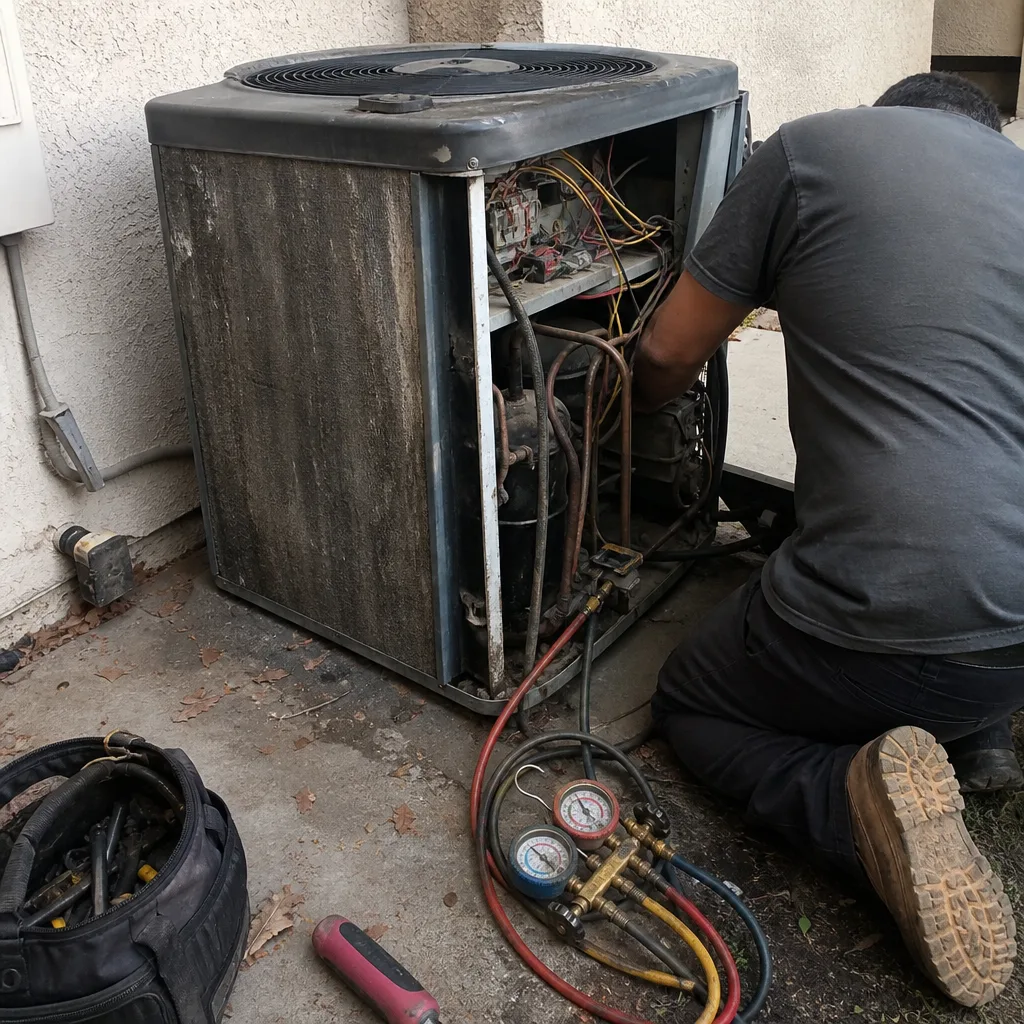 Before
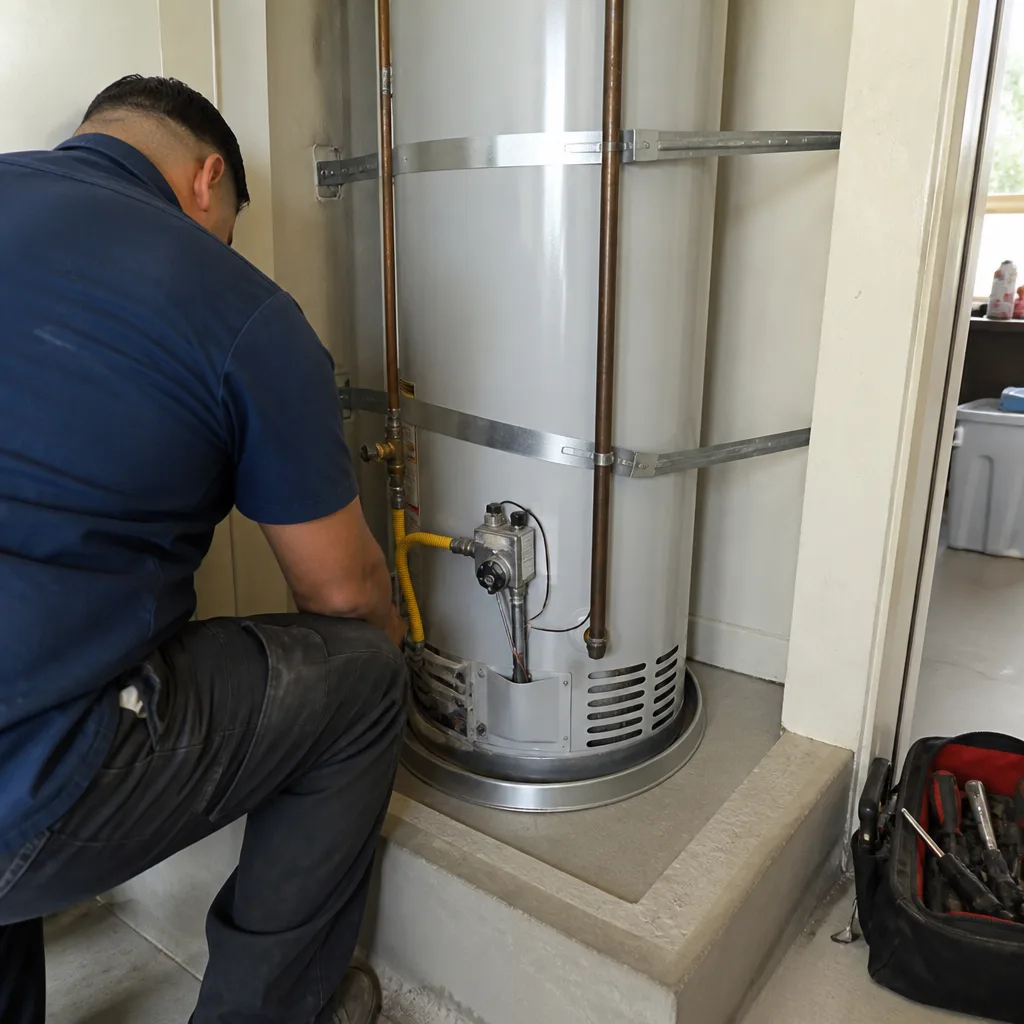 After
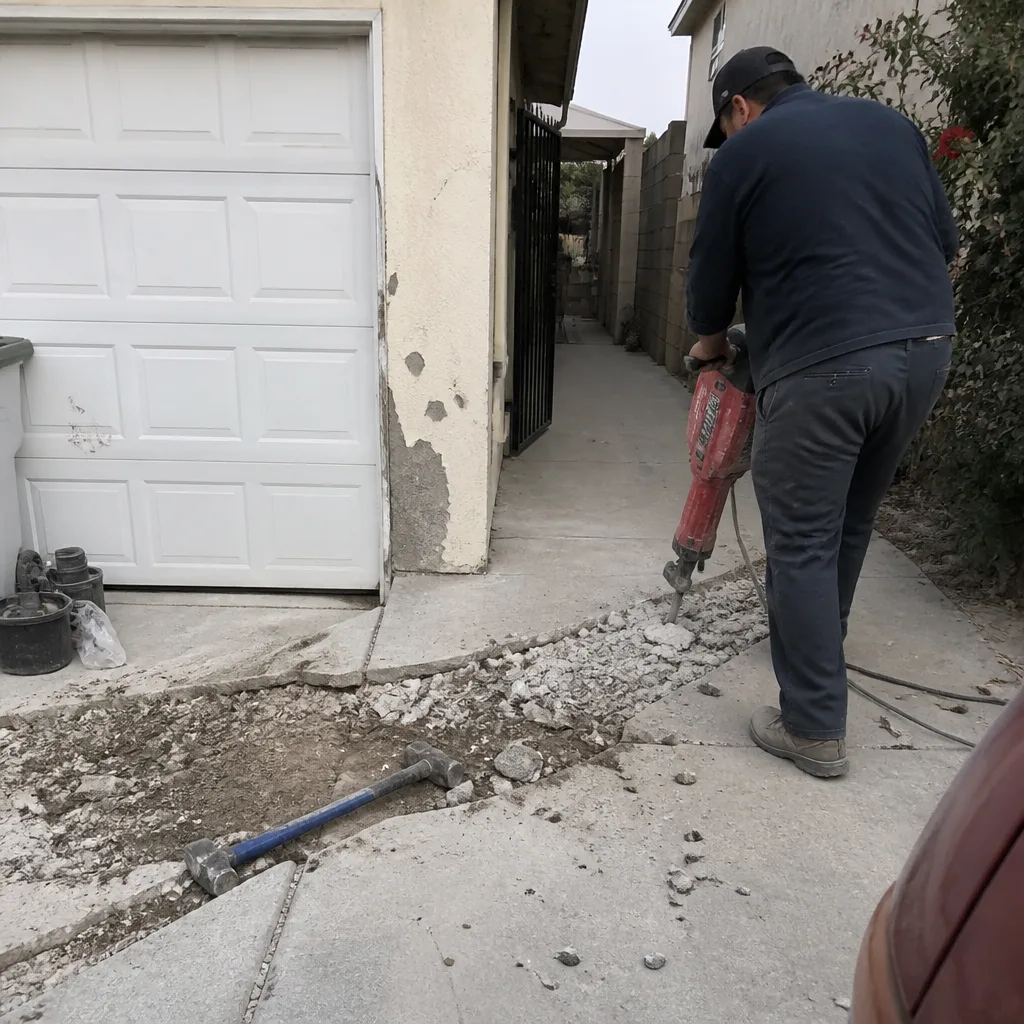 Before
 After
 Before
 After